Articles by Region
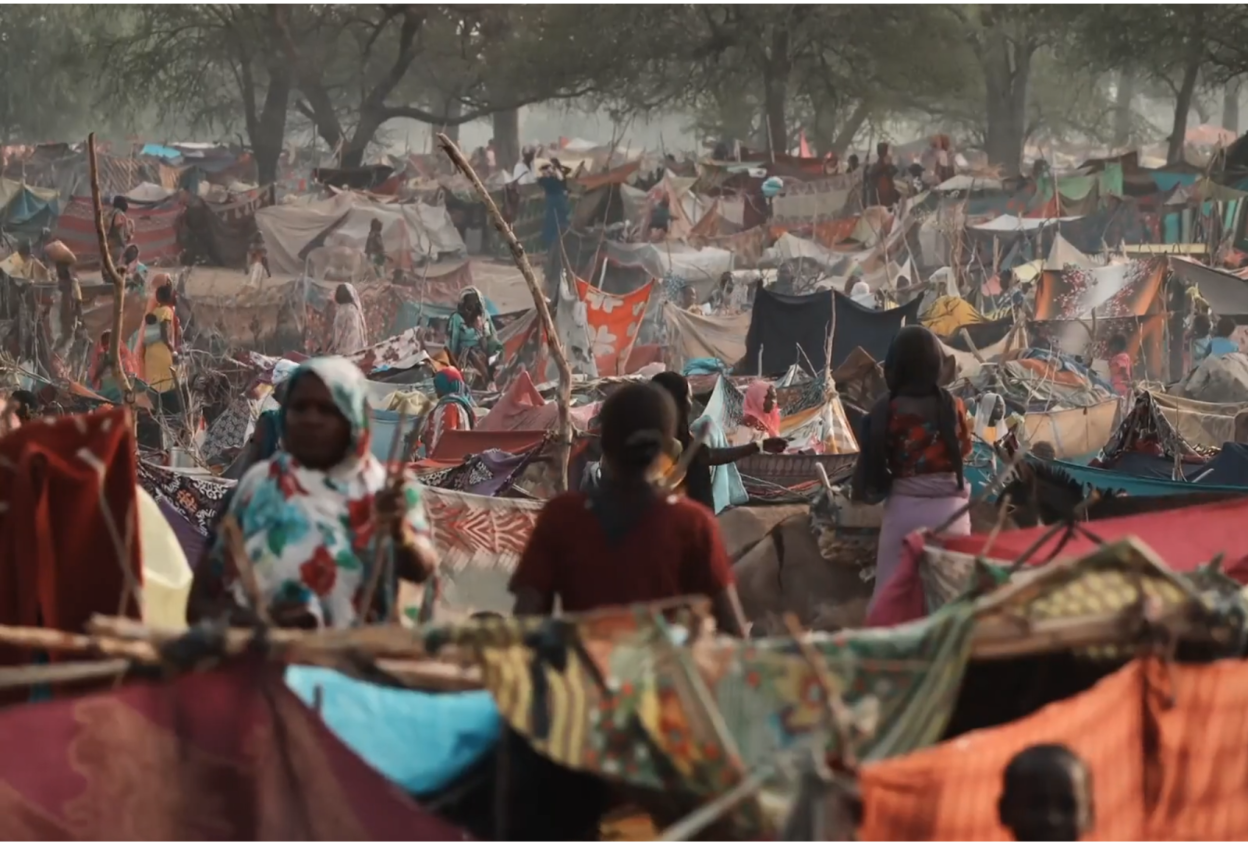
The UAE has covertly funded the RSF in the Sudanese Civil War to protect and strengthen investments in agriculture, mining, and shipping. However, recent gains by the SAF and increasing involvement from the international community via peace talks and sanctions threaten Emirati interests deemed critical to its future.
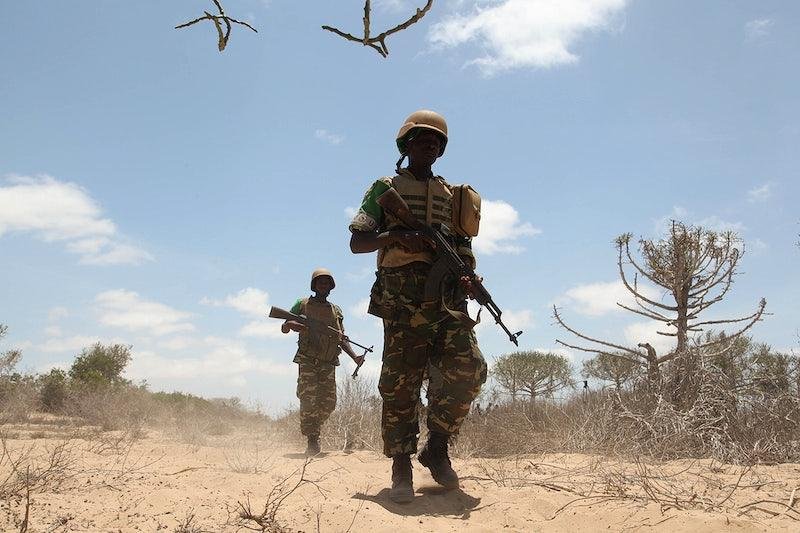
West Africa is on the war path. A combination of armed banditry, ethnic insurgency and terrorism have slowly gathered in the shadow of global attention. As the drums of war get louder, and foreign powers enter the fray, is there anything that can salvage peace from the jaws of conflict? For the people of this impoverished region, time is running out.
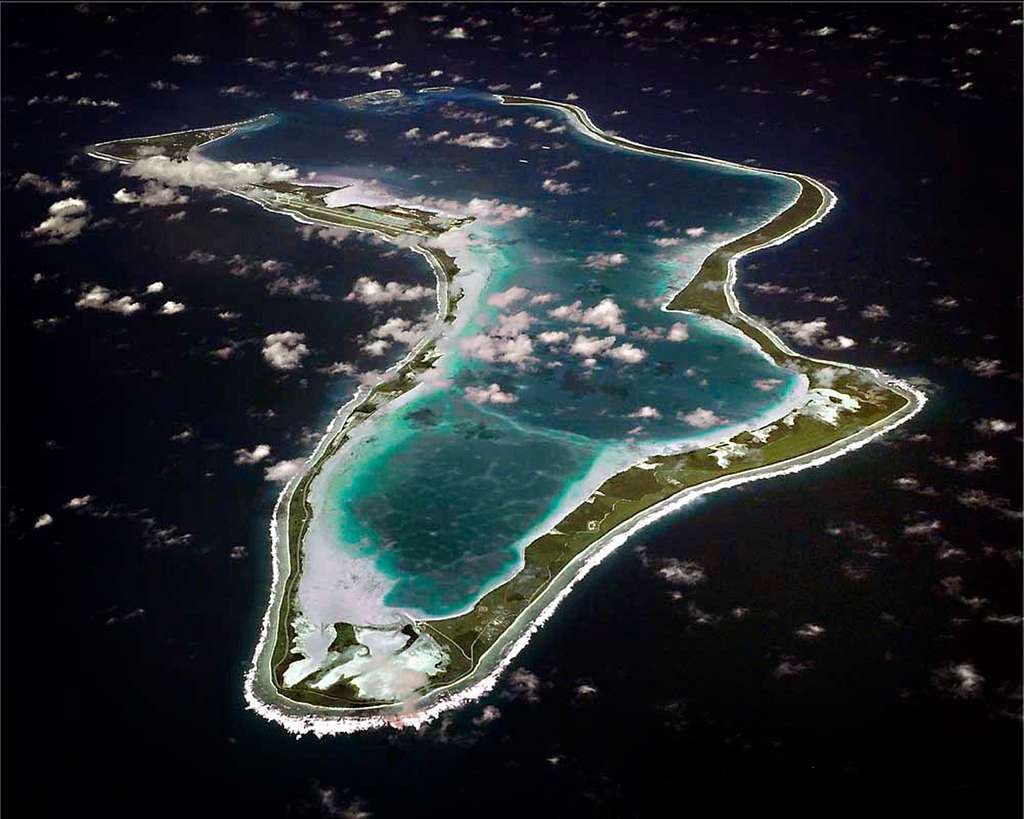
On October 3, Mauritius and the United Kingdom reached a “historic agreement,” where the latter nation agreed to cede its contentious overseas territory — known as the British Indian Ocean Territory (BIOT) — to Mauritius. Coming after 13 rounds of negotiations and decades of international pressure, the landmark agreement marks the end of Britain’s colonial presence in Africa.

Despite the known risks, immigrants continue to attempt the journey from Africa to Europe every day. The last 15 years have seen a dramatic increase in African migrants trying to make it to Europe. These facts beg the question; if the path is so dangerous, why do they continue to go?
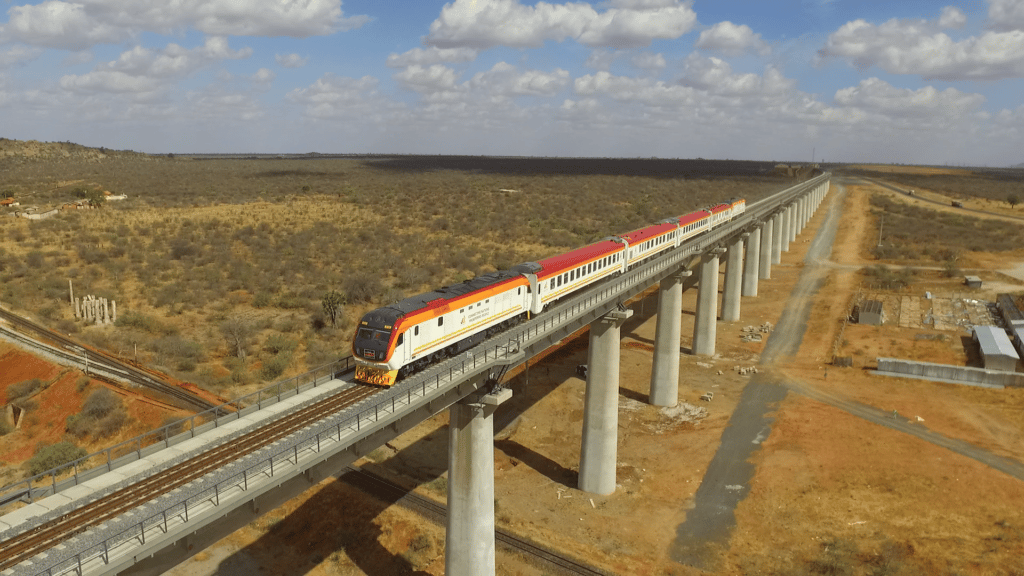
In the last twenty years, China has funded $170 billion worth of development projects in Africa under the “Belt and Road Initiative.” The initiative aims to connect Asia, Africa, and Europe through infrastructure, but the BRI has been met with skepticism. Questions about China’s intentions in the region and the BRI’s long-term effects on the economies involved are paramount to the West
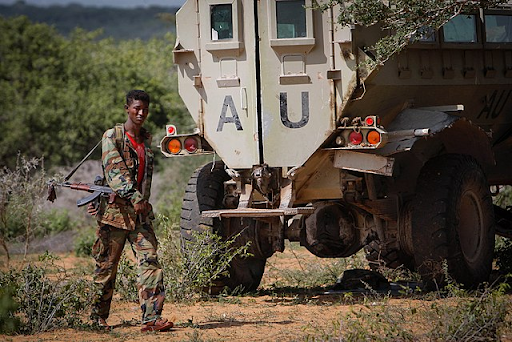
In the deserts of West Africa, lies one of the most serious humanitarian and security crises. The Sahel region is now known as the de facto center for global terrorism with numerous Islamist extremist groups taking land and conducting attacks on civilians and governments alike.

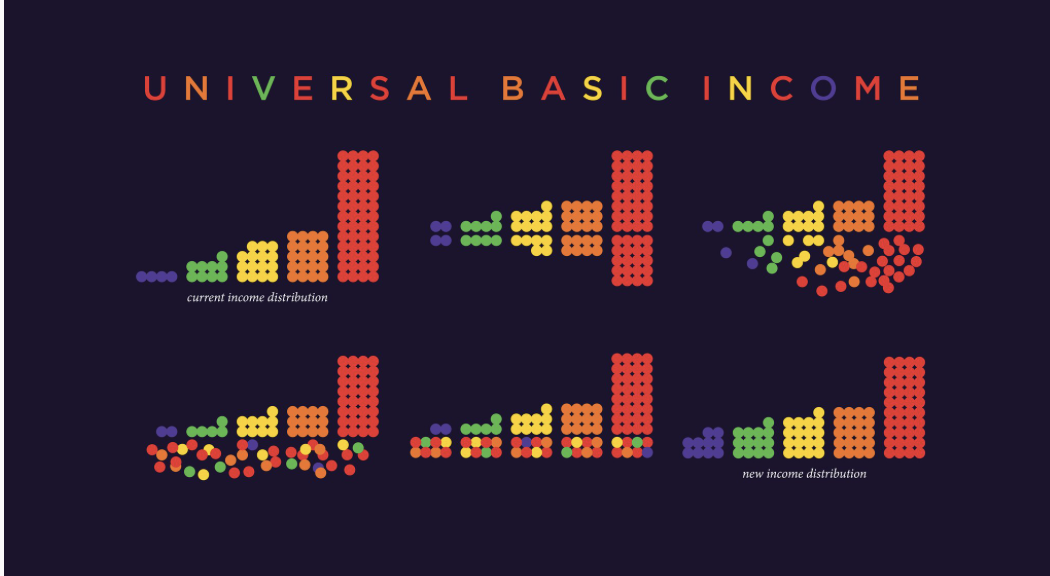
The back and forth of the best way to resolve wealth inequality may appear endless to most. Can a solution as simple as putting cash directly into the hands of the poor really have a profound effect on putting an end to poverty?
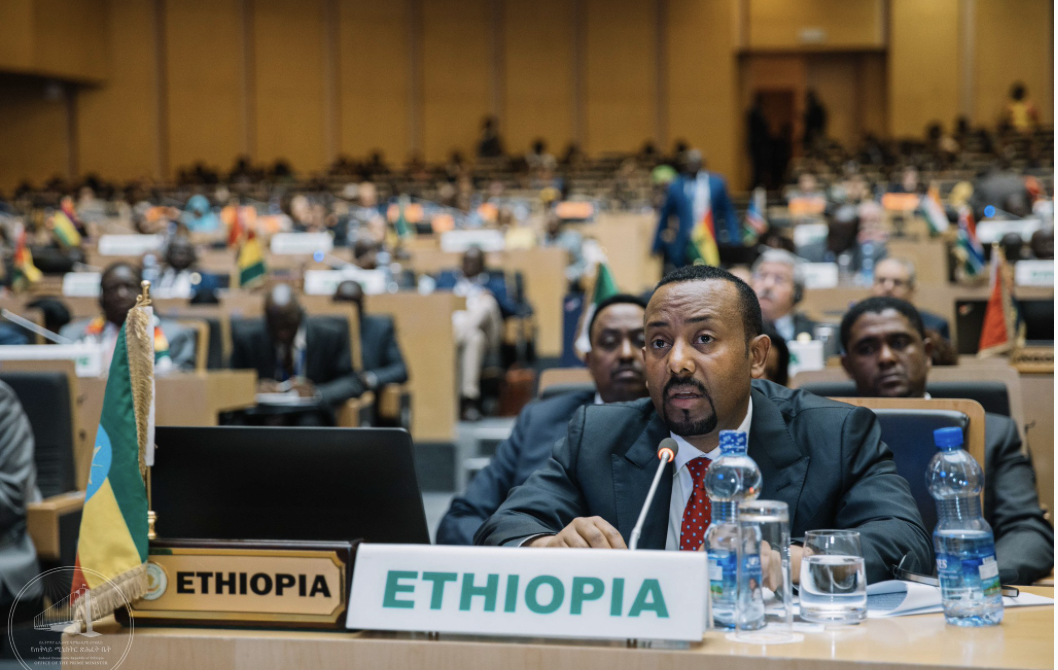
Abiy Ahmed, the Prime Minister of Ethopia, achieved international recognition in 2019 for brokering a peace deal with Eritrea and winning the Nobel Peace Prize. Now, he faces new political opponents, challenging the stability he was praised to have won.

Staff Writer Hector Guzman explores the roles of art in nation healing following the Rwandan genocide and the Srebrenica massacre.
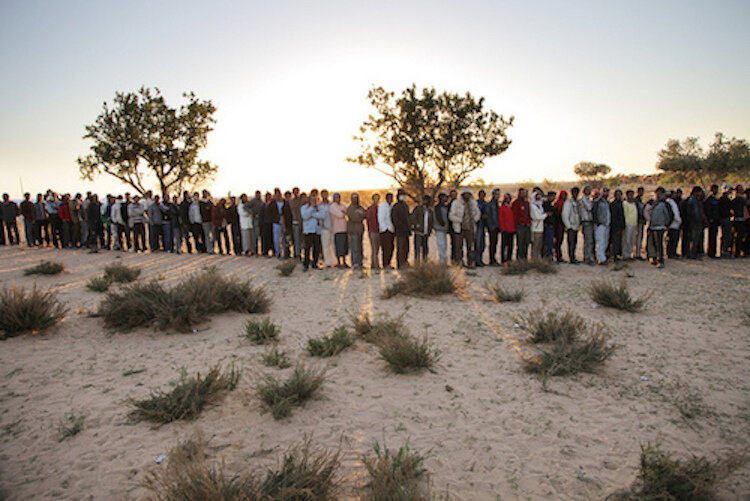
Contributing Writer Jose Ovalle discusses human rights issues due to the refugee crisis and proposals for how the EU should proceed.
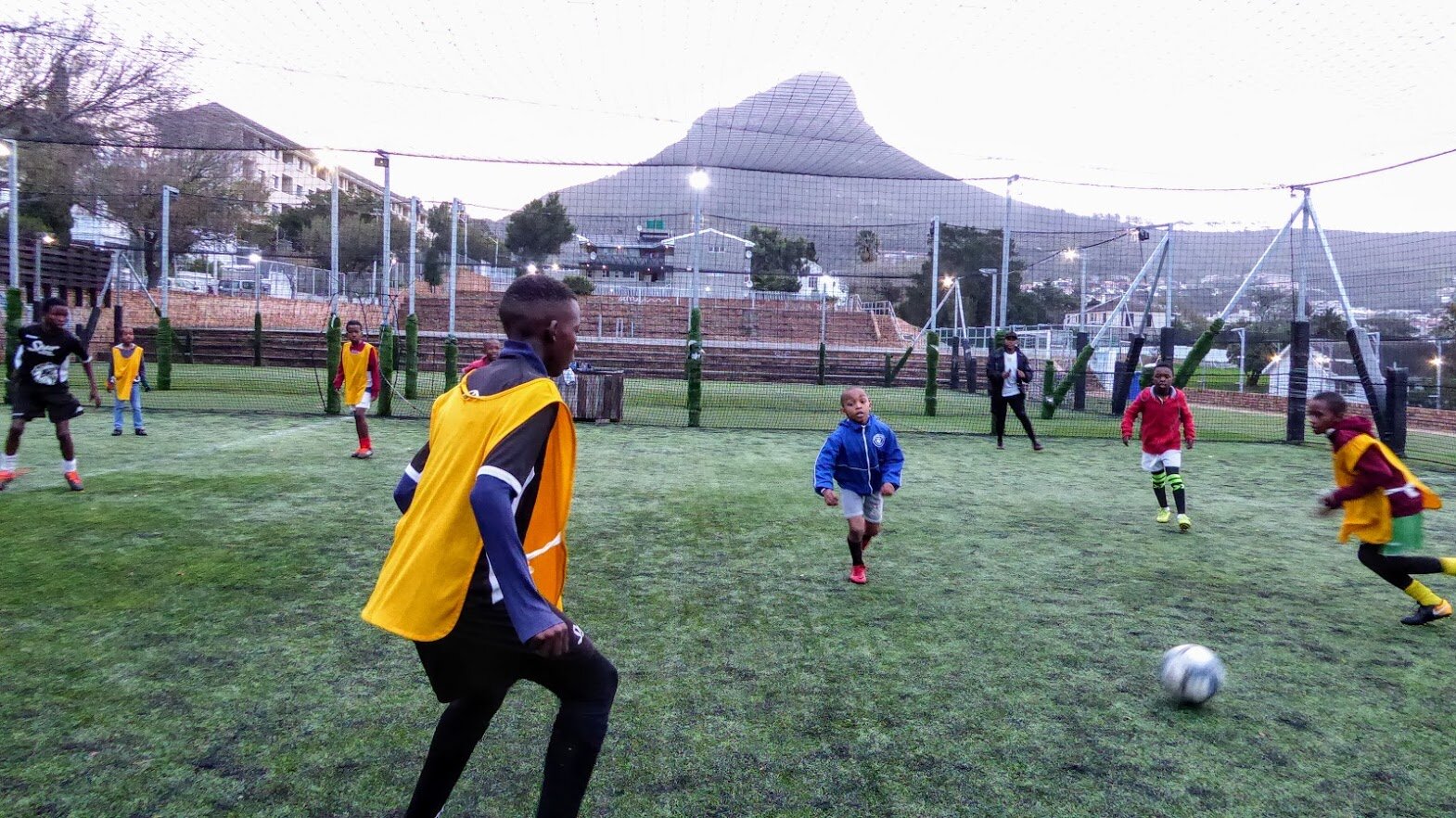
Following her semester abroad in Cape Town, South Africa, Managing Editor Veronika Michels investigates the value of community action in connection with sport and childhood development in a country plagued by the social and economic reverberations of apartheid.
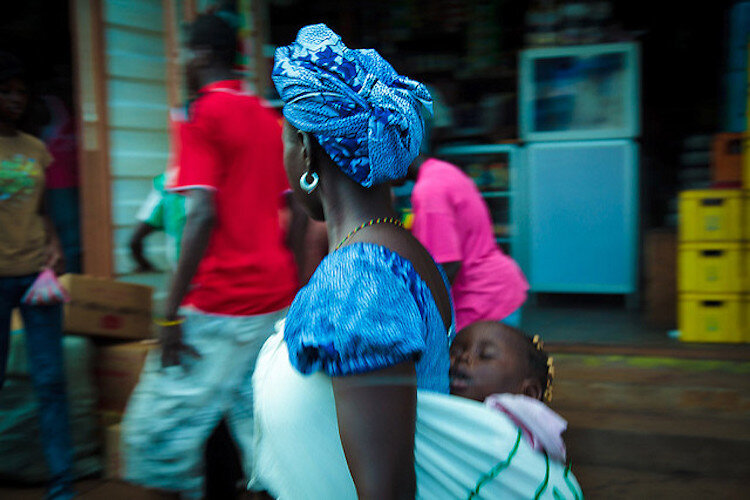
Contributing Writer Ami Bhakta proposes educational initiatives to end female genital cutting in Sierra Leone.
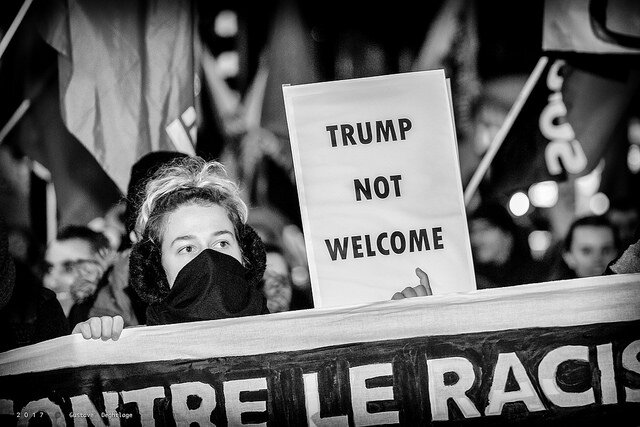
Staff Writer Eden Allegretti examines the United States' international reputation under the Trump Administration.

Staff Writer Cailen Rodriguez provides an informative and in depth review of HIV/AIDS history and the necessity of World AIDS Day

Staff Writer Madisen Ro discusses a non-profit dentistry organization that is working to provide vital care to the people of Rwanda.
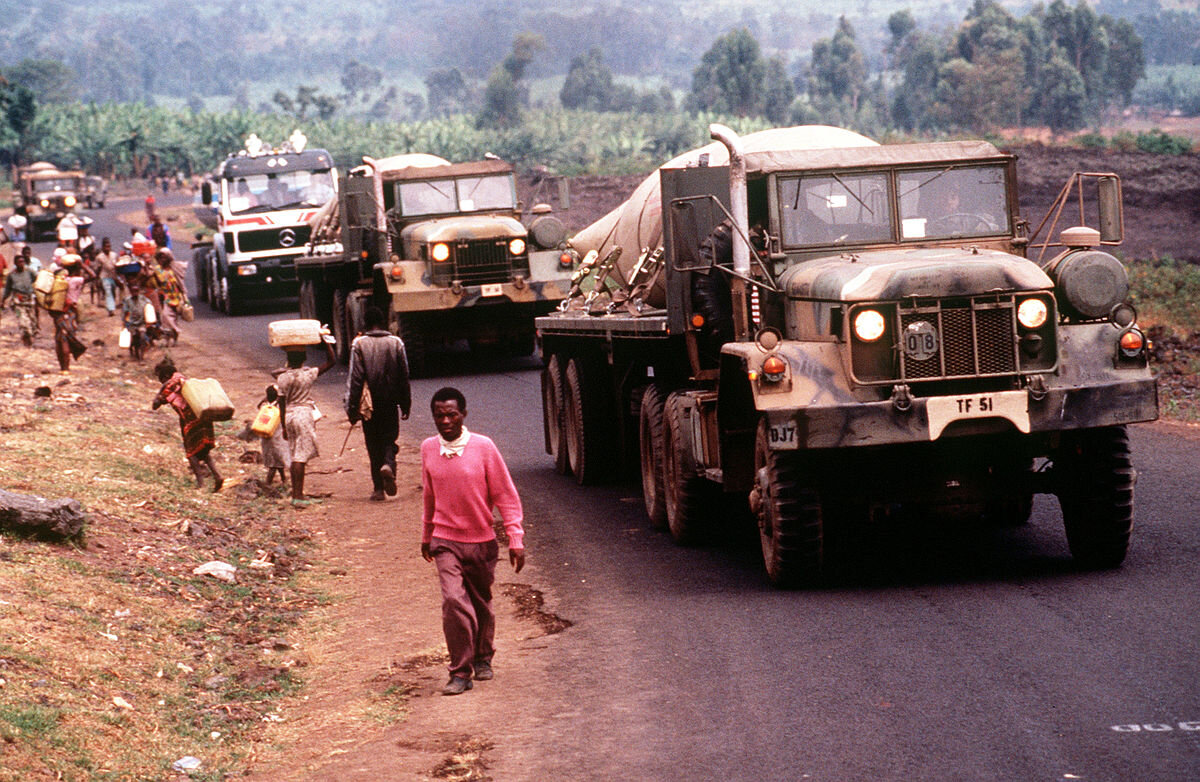
Staff Writer Eden Allegretti discusses history of the Rwandan Genocide and the influence and lack thereof, of the international community.

While the United States and much of the Western world is confronted with a battle against the epidemic of prescription drug abuse, the issue is absent in much of the rest of the world.
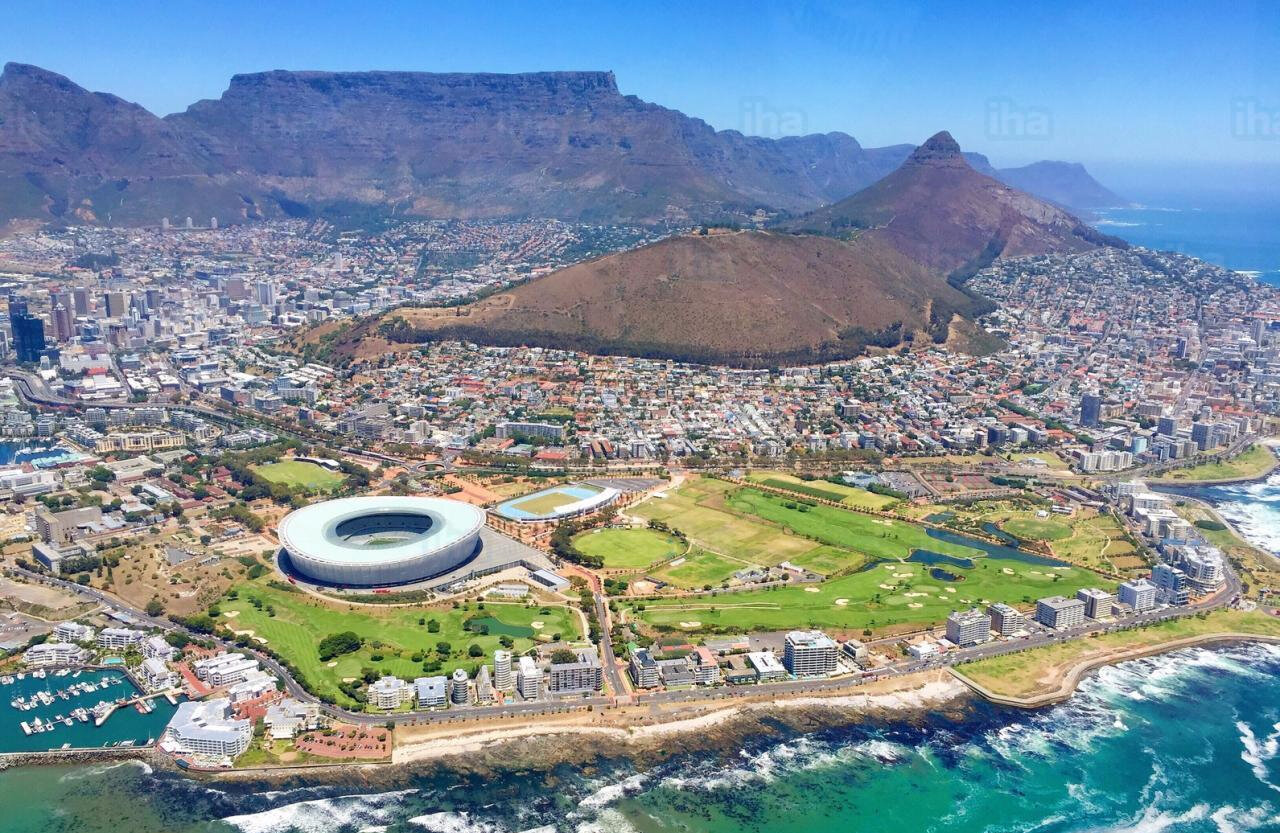

Contributing writer Gabriella Fleischmann proposes possible solutions to discrimination in microfinance in Kenya.

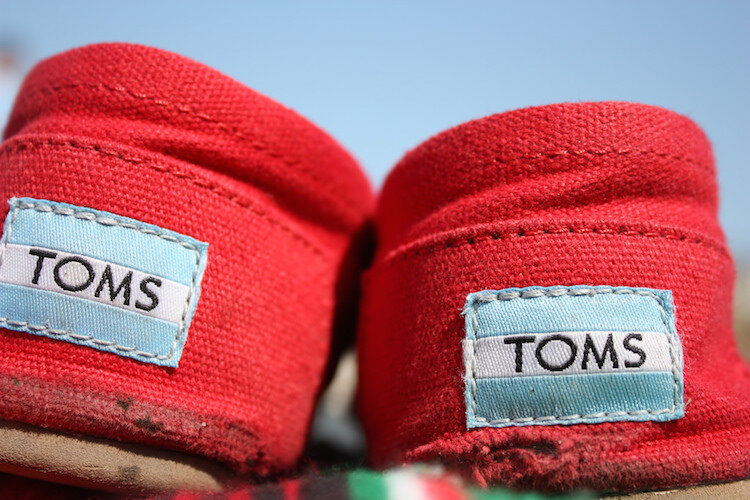
Staff Writer Zaid Mansuri analyzes the effects of the buy-one-give-one business model on target developing regions

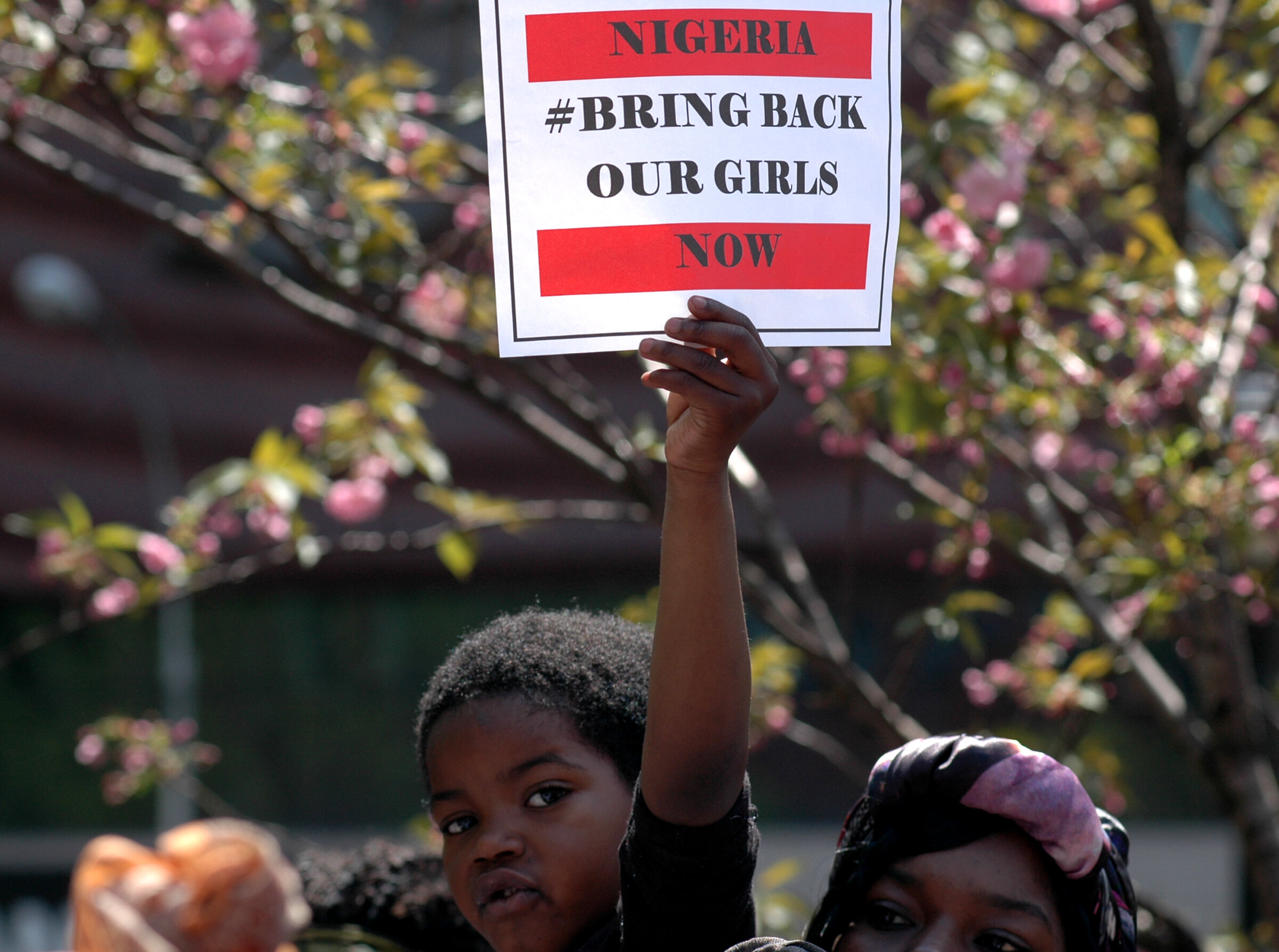
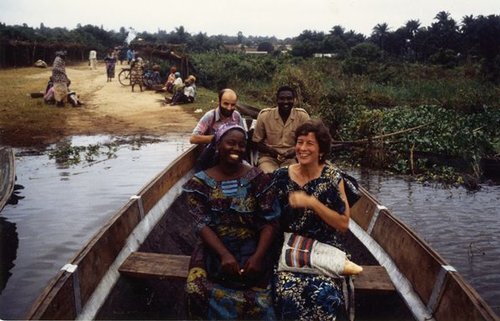
Staff Writer Rebecca Chong looks into the idea behind voluntourism--and many of issues that it brings
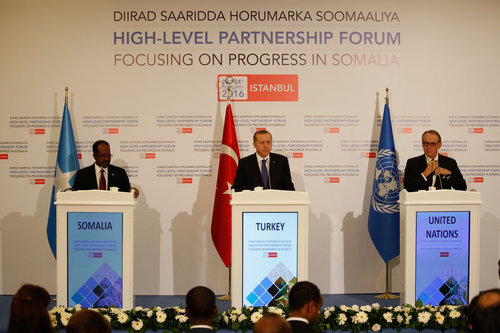
Staff Writer Aisha Ali examines Turkey's involvement and relationship in Somalia
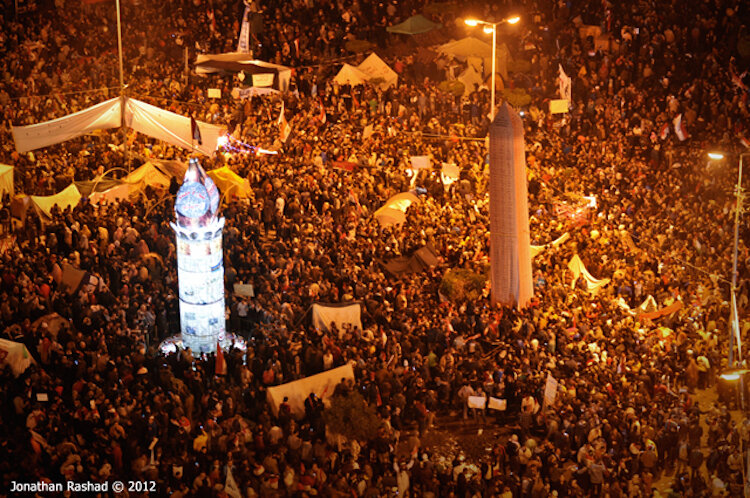
Contributing writer Jamie Anderson traces the stumbling development of Egypt's democracy since the Arab Spring

Staff Writer Joyce Sunday discusses the genital mutilation of women in African culture.
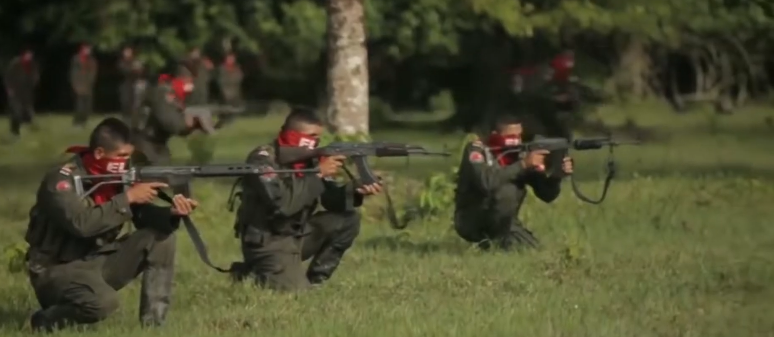
The demobilization of the FARC in 2016 was supposed to usher in a new era of peace for Colombia. Yet, President Petro’s campaign for total peace has failed to subdue a transformed and emboldened ELN. The government is changing tactics to reassert control but it may not be enough to rescue the aspirations of 2016.
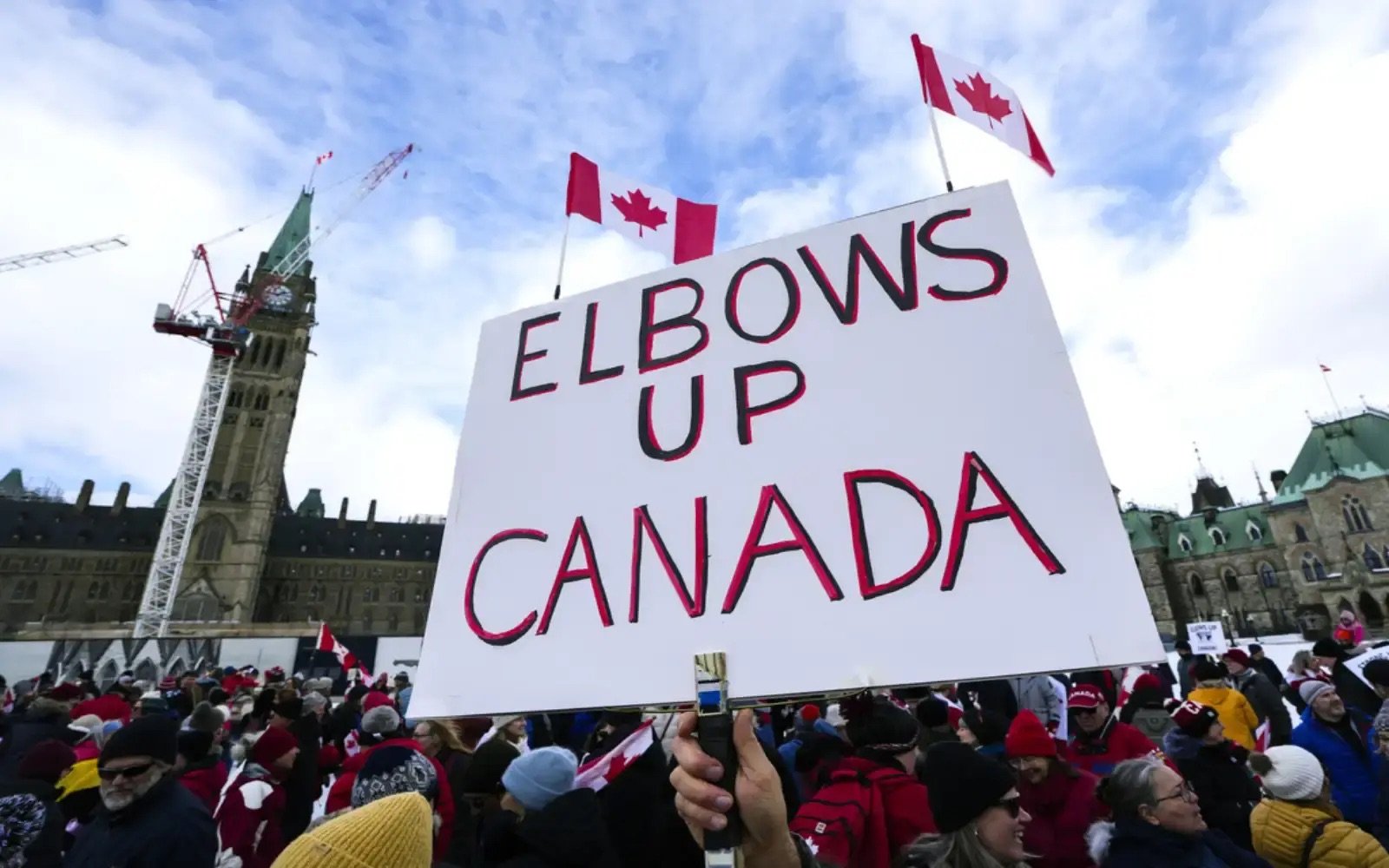
With Justin Trudeau stepping down and U.S. tariffs straining Canada’s economy, the country is heading into a snap election that could redefine its political future. Former central bank governor Mark Carney leads the Liberals against Conservative leader Pierre Poilievre in a divisive race, as Canadians search for a leader who can stand up to Trump.
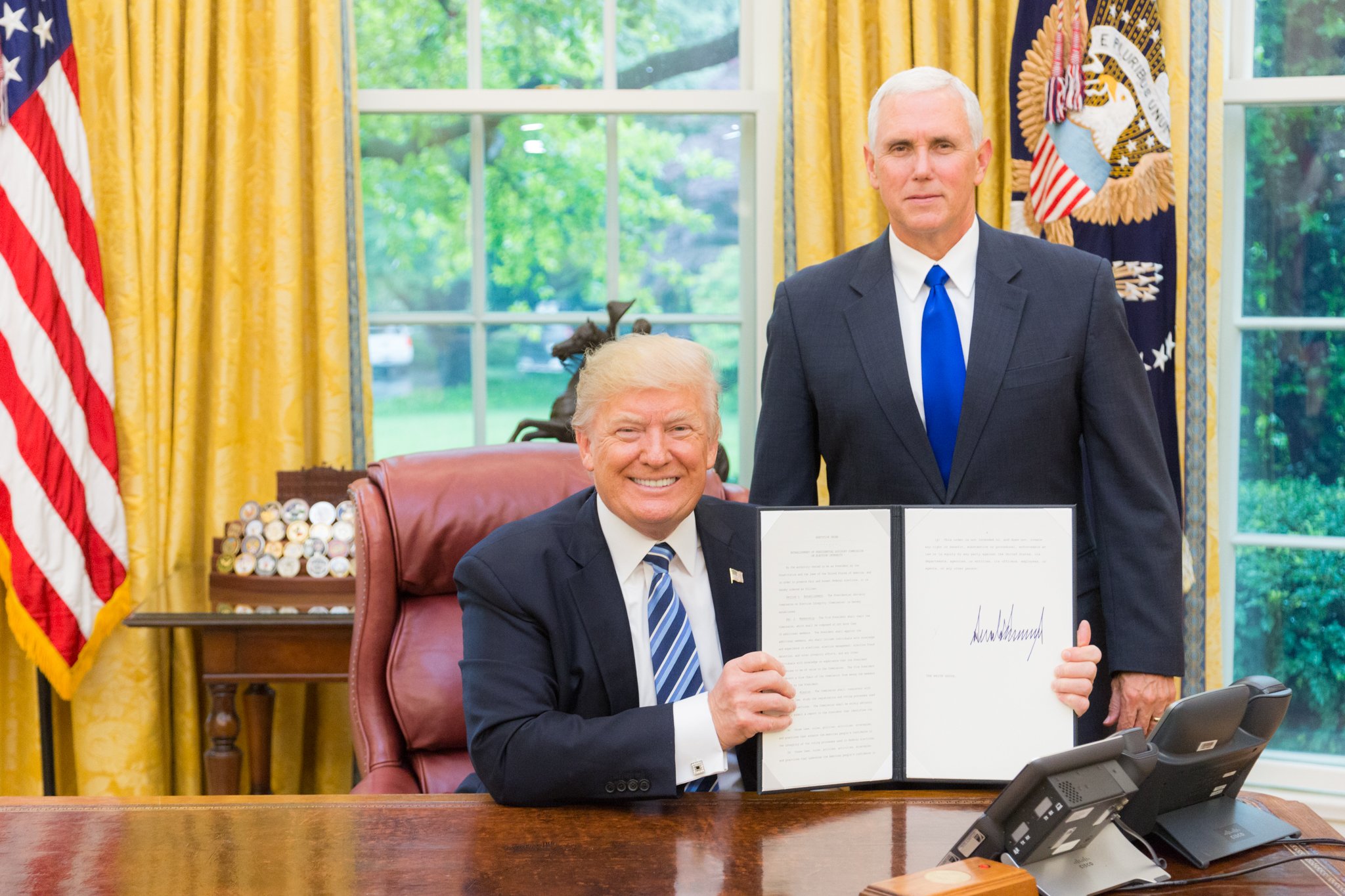
The Paris Climate Agreement, adopted in 2015, marked a historic turning point in global efforts to combat climate change. Adopted by 196 parties, the accord set ambitious goals to limit the global temperature increase to 1.5 degrees Celsius above pre-industrial levels. This commitment aimed to reduce the devastating impacts of climate change, including rising sea levels, extreme weather events, and biodiversity loss. However, these promises are being tested under the second Trump administration, bringing renewed scrutiny and debate over America’s role in global climate action.
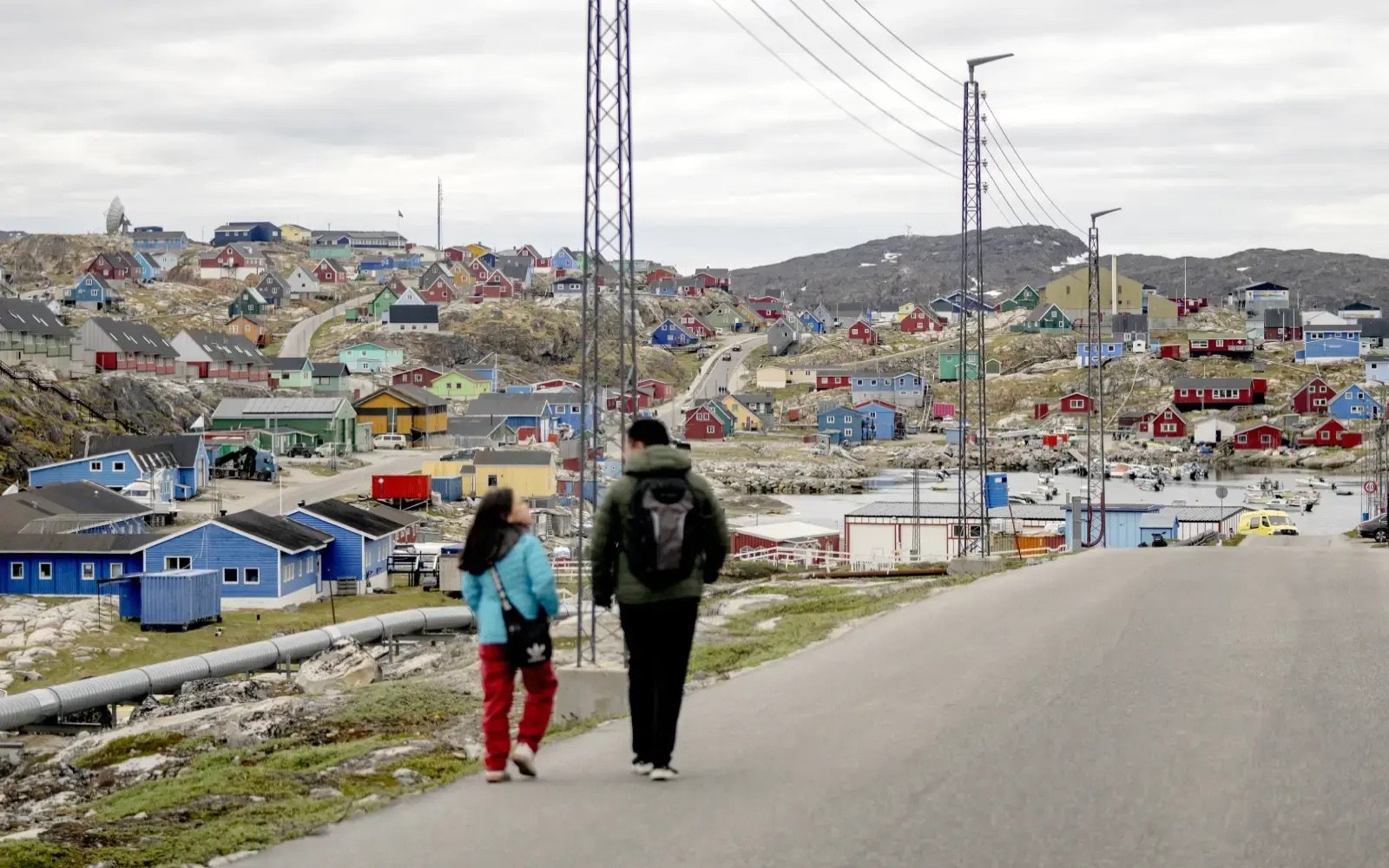
The reason behind President Trump’s aspirations lies in the strategic and economic potential of Greenland’s location and subsoil resources. As the island aims for eventual independence under Prime Minister Mute Egede and his Inuit-led government, considering alternatives to autonomy under the Kingdom of Denmark opens the door for Greenland to become a key player in geopolitical and geoeconomic rivalries.
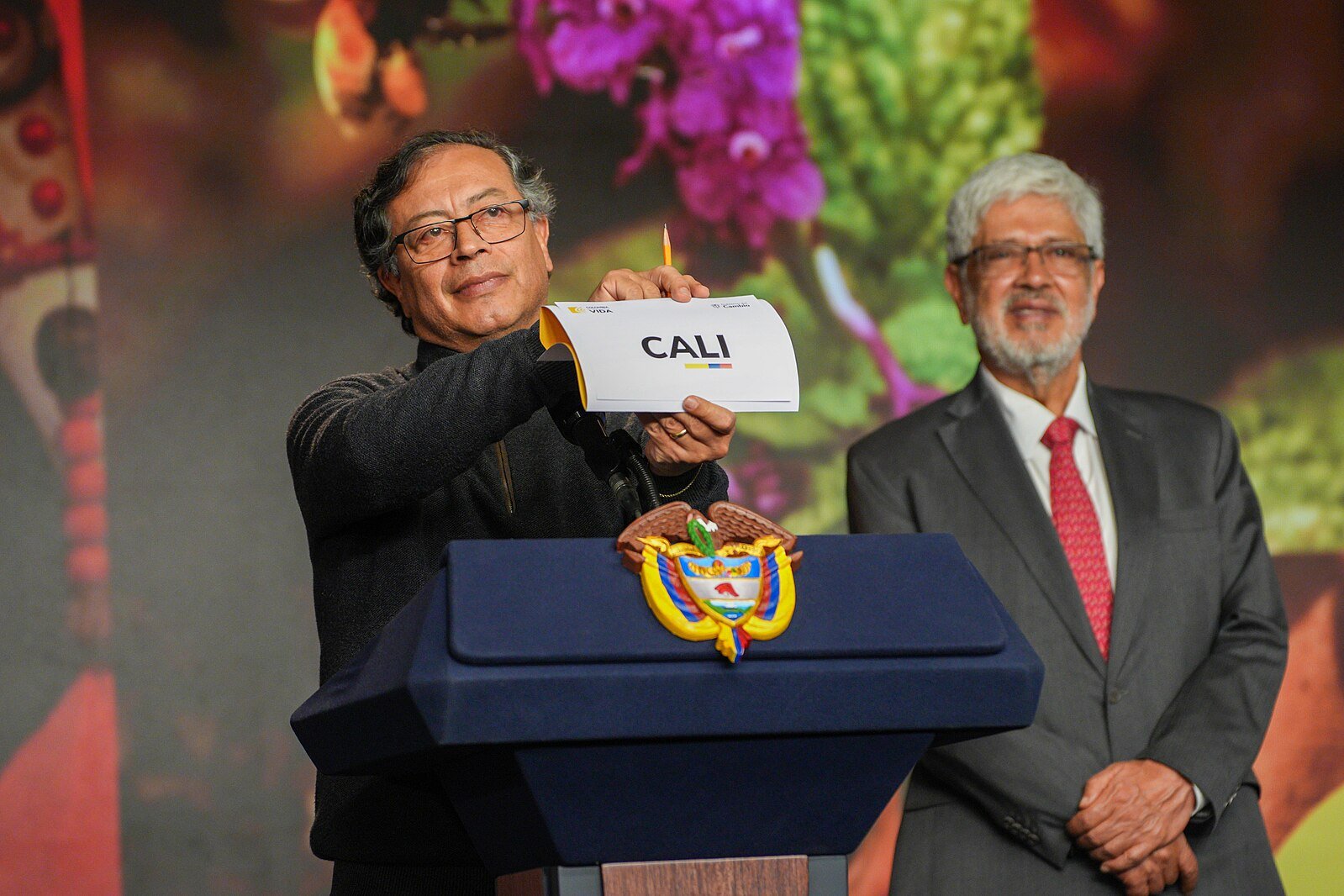
The urgency of the biodiversity crisis is undeniable. Habitats are disappearing at an alarming rate and, according to The Nature Conservancy, an environmental nonprofit, nearly a million species face extinction. This pressing issue underscored the importance of holding the 16th Conference of the Parties to the Convention on Biological Diversity (COP16), a biennial conference run by the United Nations (UN).
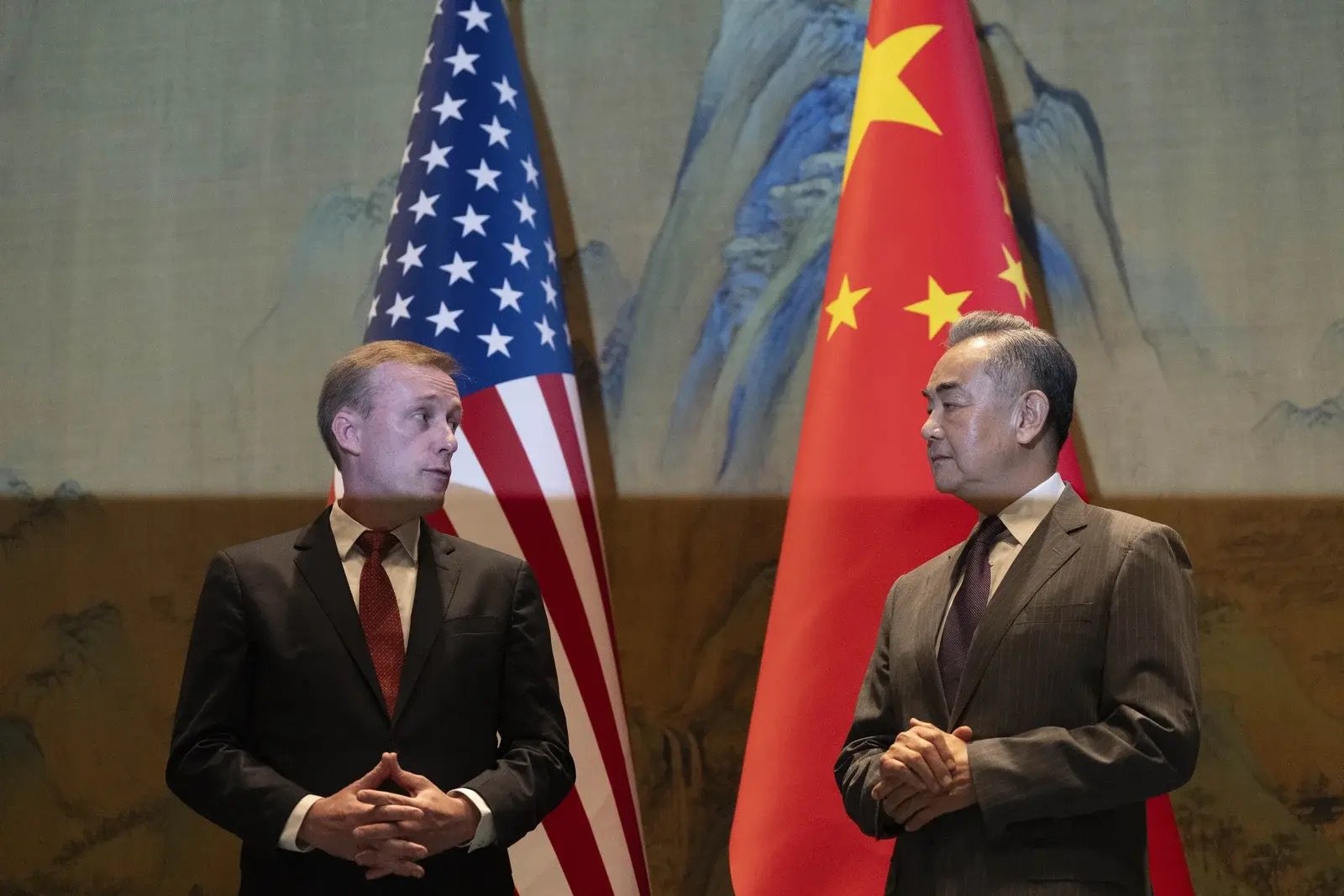
China’s engagement in Latin America guarantees it will remain a threat to U.S. national security until the U.S. regains regional power through Americas-based collaboration — a path economic advisers and policymakers must promptly pursue to prevent President-elect Donald Trump’s anticipated withdrawal of development aid and proposed tariffs that could drive Latin American countries to work even closer with adversaries such as China. Failure to pursue such collaboration risks democratic backsliding in the Western Hemisphere and an economically isolated U.S. that could be susceptible to global conflicts.
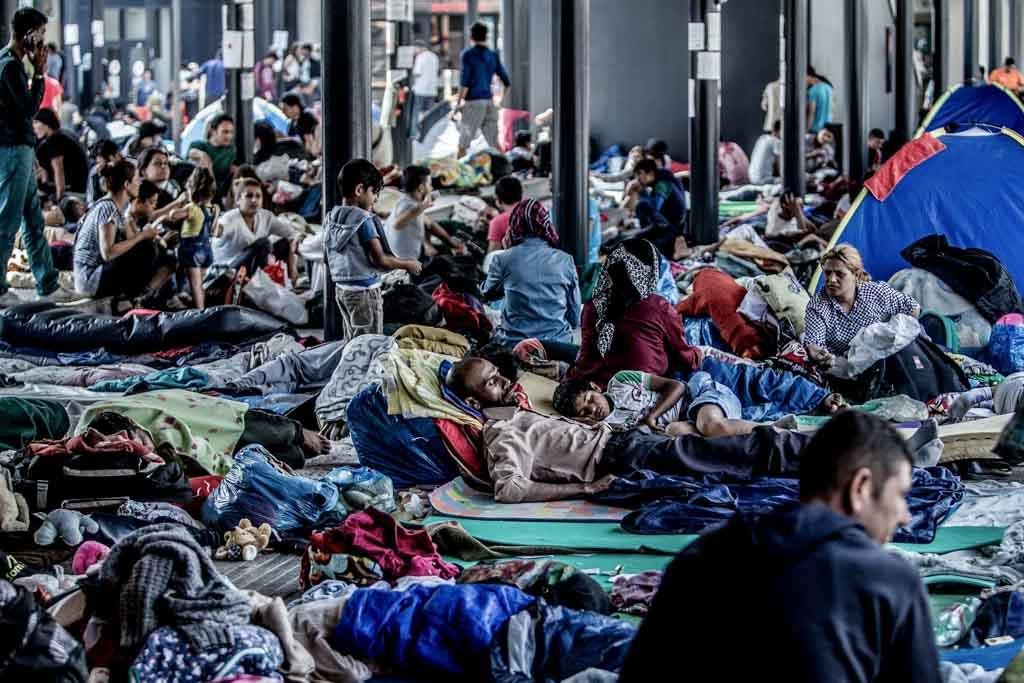
The aftermath of Title 42’s end deepened the social controversy regarding immigration policy and since then, political polarization on the issue has only increased. Ever since, American immigration policy has been left in disarray; migrant arrivals continue to rise and candidate platforms grow more disunited on immigration gearing up for the November election.
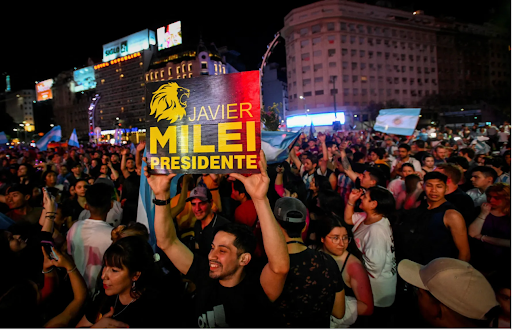
Argentina elected Javier Milei to the presidency, which has set an opportunity for a hard turn to the right. This approach could be financially and economically irreversible. Argentinian tolerance for such policies remains to be seen, but one thing is for certain: Milei’s plans for stabilization, including economic dollarization, would require a complete overhaul of current Argentine infrastructure.
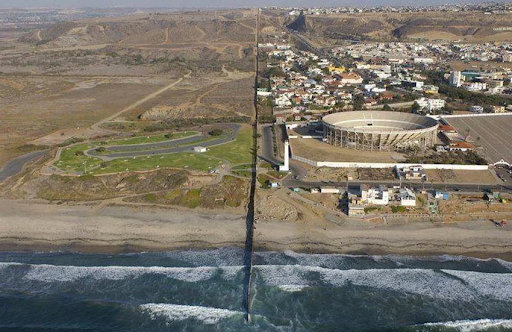
The border between Mexico and the United States is a stark dividing line between distinct nations. The border has become increasingly militarized, serving as a checkpoint to police flows of goods and people. But the border serves many purposes beyond just security. It is a key channel of international trade, a symbol of both division and unity. Many scholars and activists are drawing attention to these complexities, advocating for a reimagining of the space.
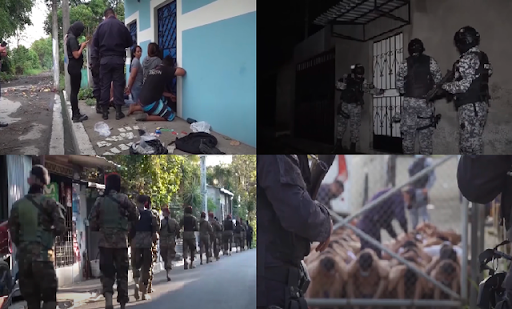
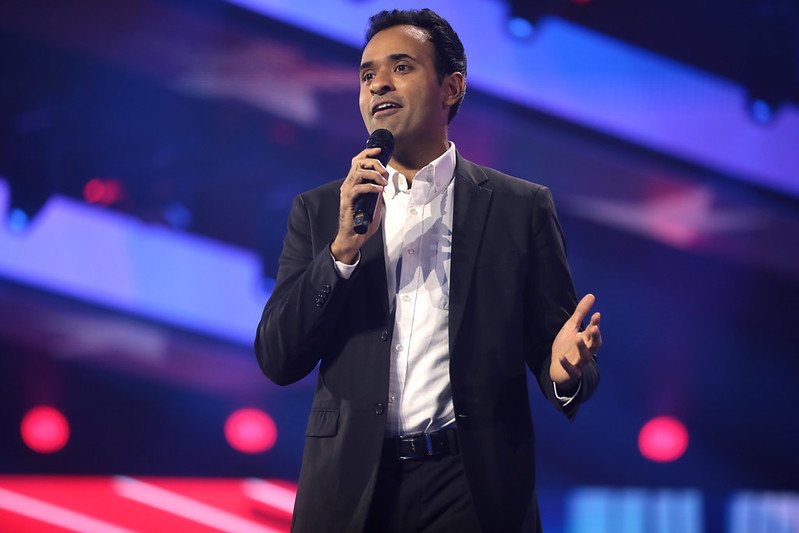
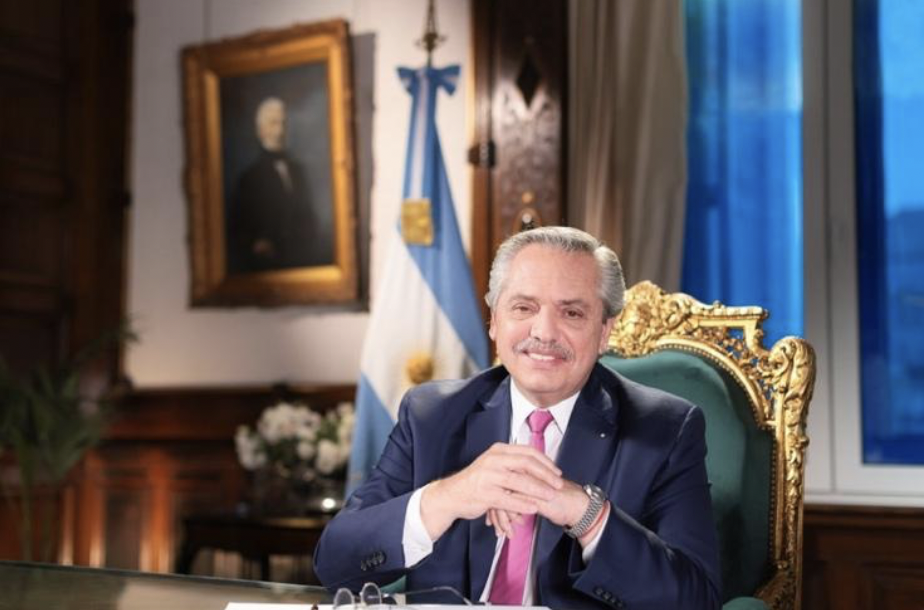
There’s an old saying that elections have consequences. For Argentina, this could never be more true. The country’s upcoming election in October is highly consequential as it faces issues regarding the economy, the environment, and politics.
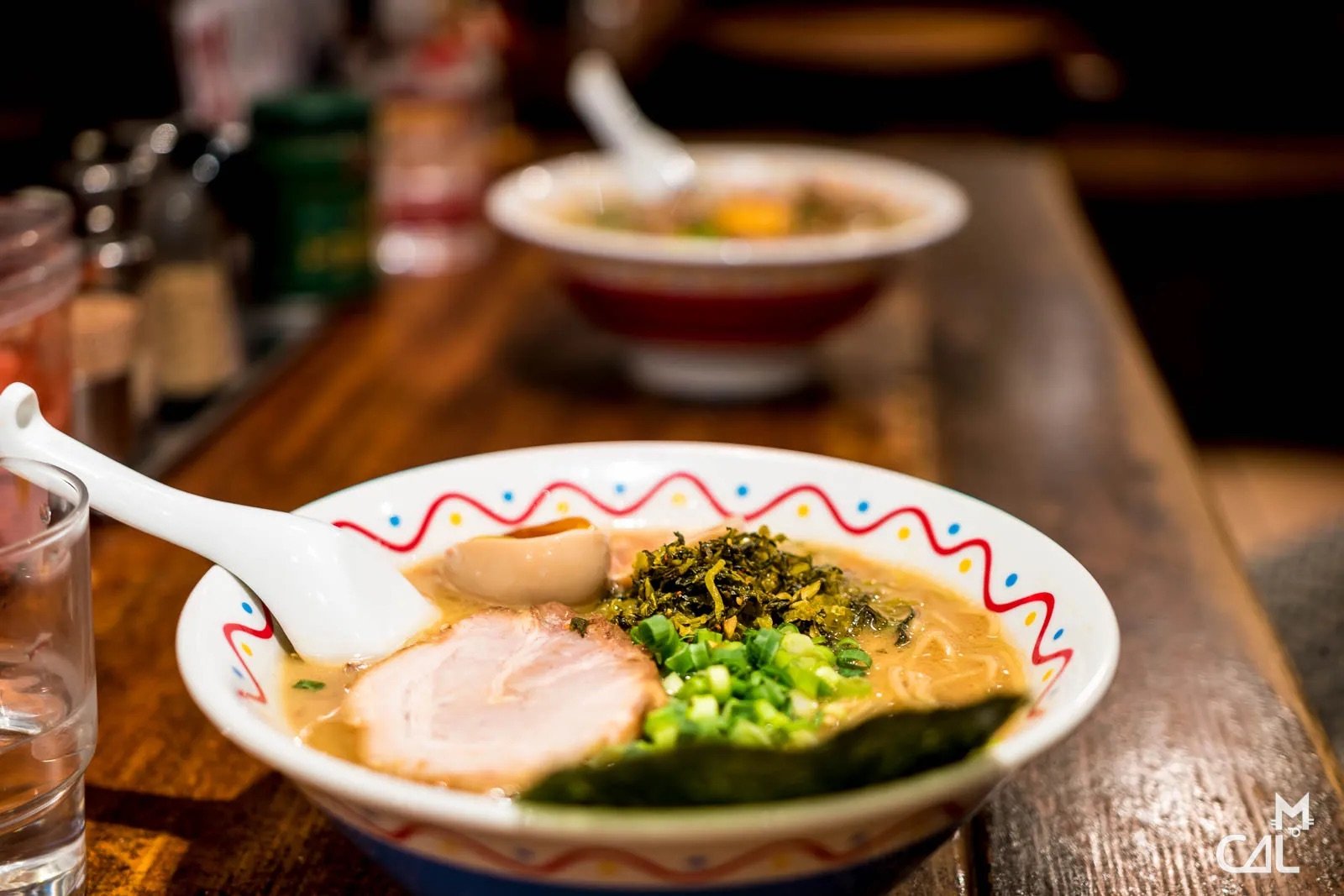
Ramen noodles were created and became popular throughout periods of war, famine, international trade, and industrialization. What can a simple dish millions around the world eat everyday tell us about the history of foreign affairs?

Untangling the web of recent K-pop scandals reveals a more sinister truth about how the music industry and the culture of misogyny intersect in South Korea. The cracks of the highly-curated K-pop industry are showing, and what lay behind the mask of glamour and glitz is ugly.
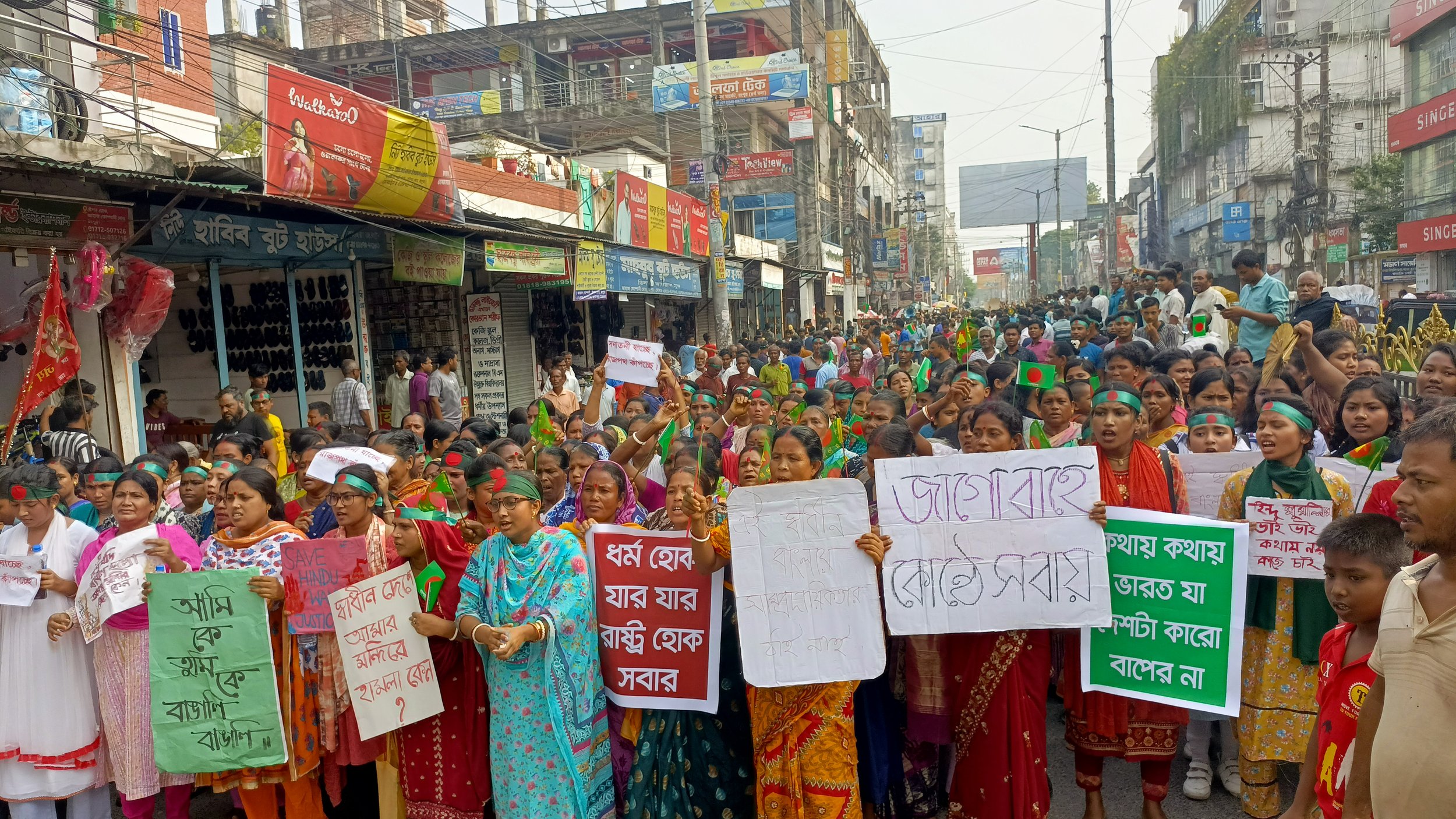
In August 2024, Bangladeshi Prime Minister Sheikh Hasina resigned amid student protests, throwing the country into political turmoil. As the new interim government under Nobel laureate Muhammad Yunus tries to stabilize the country, friction between rival factions has grown. Political instability, religious violence, and escalating challenges — both at home and abroad — threaten Bangladesh’s future, with the country's path forward uncertain amid shifting alliances and mounting pressures.
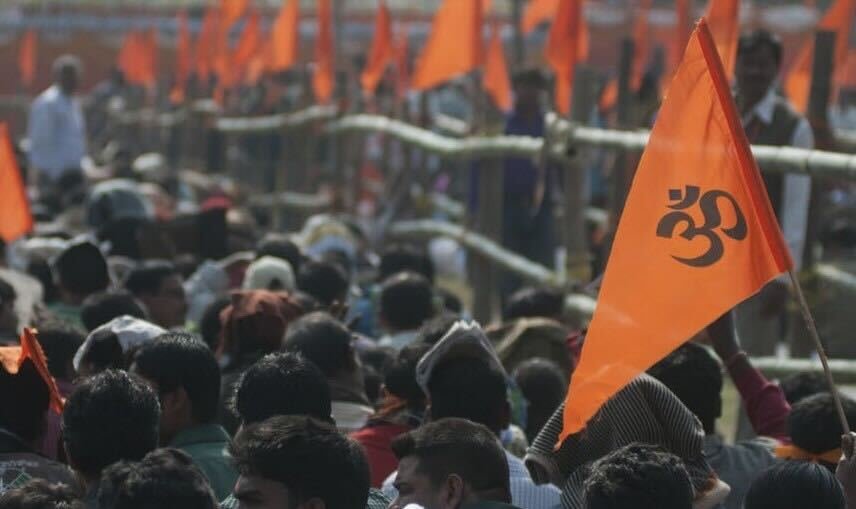
While Prime Minister Narendra Modi has championed Hindu cultural values within India, his approach to foreign affairs tells a different story. Rather than letting religious ideology guide international relations, Modi's government has maintained India's traditional balancing act between world powers. From continuing Russian oil purchases during the Ukraine war to providing aid to Gaza while supporting Israel, India's foreign policy remains driven by practical interests rather than nationalist sentiment.
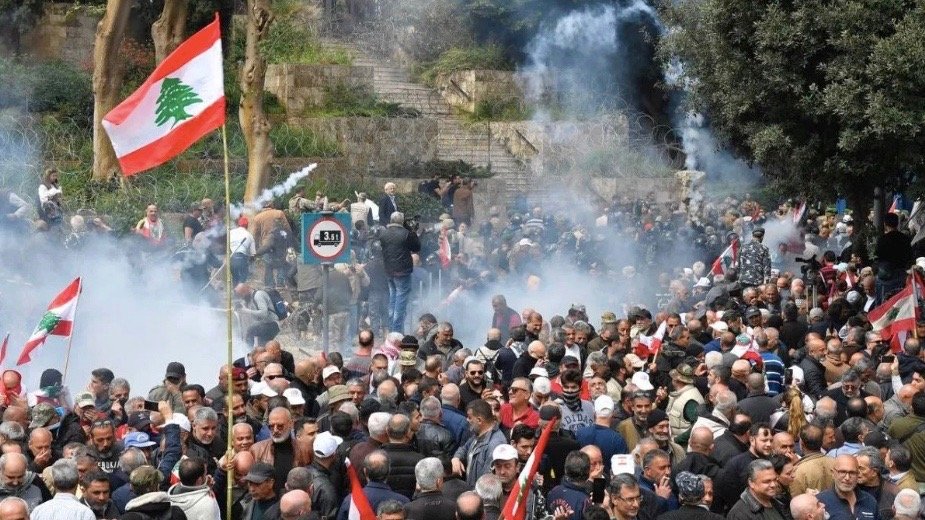
Current conflicts in the Middle East are resulting in significant displacement and devastation, fracturing the lives of Lebanese citizens. On top of an already spiraling economy, the divided Lebanese government is not well equipped to help its suffering citizens. Despite these challenges, Lebanese citizens have remained resilient, helping to house and feed their displaced neighbors.
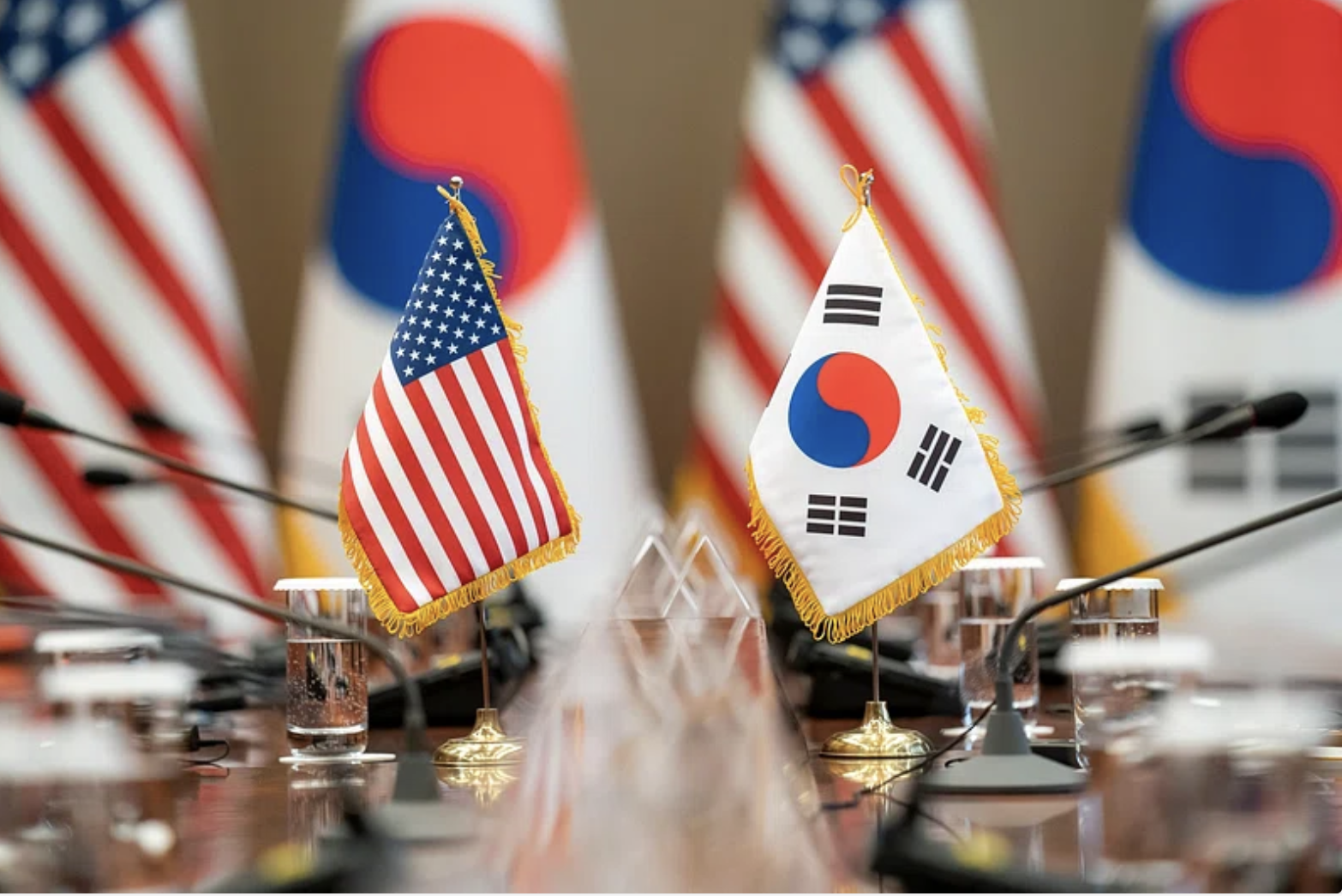
When President Trump returns to power on January 20th, 2025, he's poised to initiate a withdrawal of potentially thousands of U.S. troops from South Korea. If he does so, historical precedent would lead us to believe that the communities which have risen up alongside U.S. military bases will be hit hard as a result.
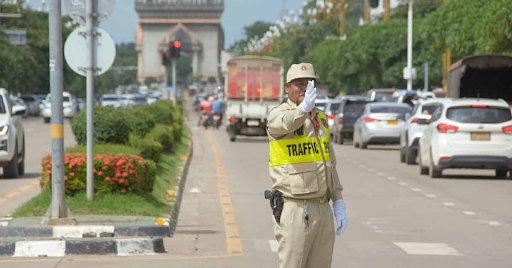
Laos, like other developing, single-party nations faces a serious issue with corruption. The country loses millions each year to petty bribery and corruption within the government. But there are international solutions that can ease these costs.
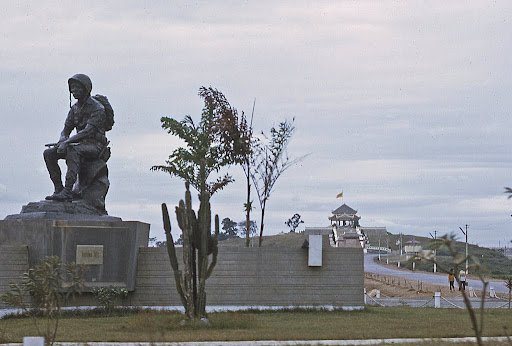
Embedded within the soil of Vietnam’s Quảng Trị province lies the shrapnel of deployed bombs, chemical herbicides, and fragments of human bone and flesh from a war that ended half a century ago. In those same killing fields upon which monuments now stand lie the unrecovered bodily remains of an estimated 300,000 Vietnamese soldiers.
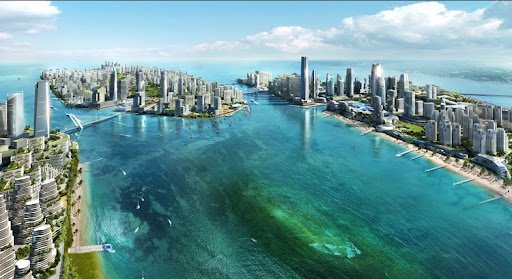
Malaysia’s Forest City, a $100 billion development project, is in question. Concern over China's involvement in the project, as well as the project’s lack of environmental integrity intertwine to create a consensus that the project is prioritizing foreign capital over Malaysians and the environment.

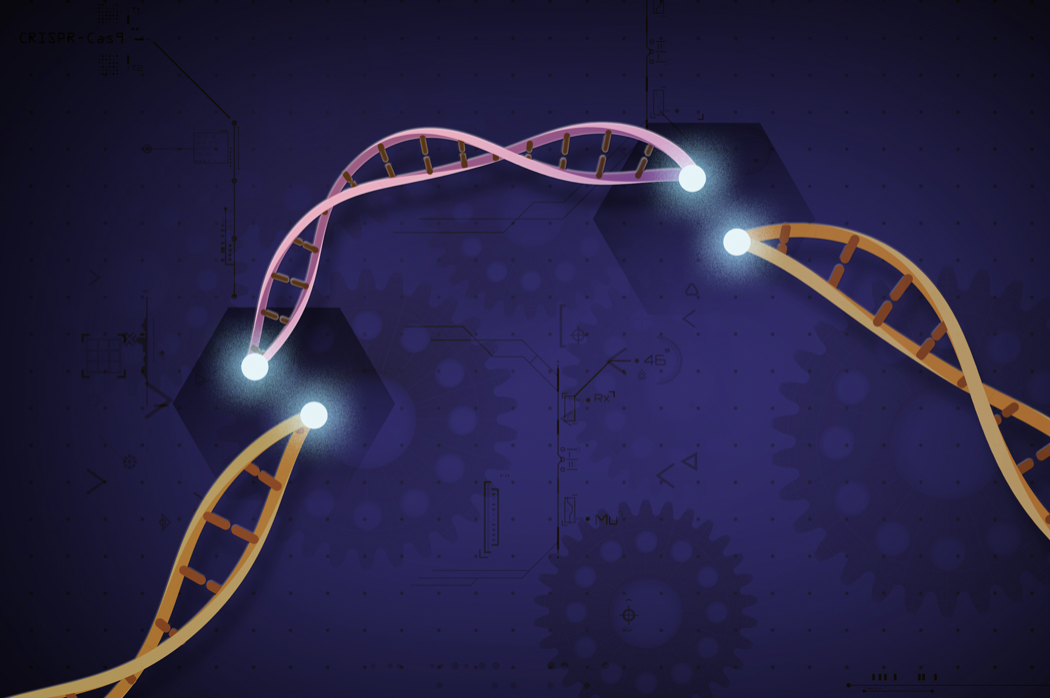
Advancements in genetic engineering have far surpassed our global institutions' ability to regulate them. With the development of genetic engineering tools such as CRISPR and gene drives, paired with the growing popularity of DIY labs, access to bioweapon creation or human enhancement has become open to the public.

Rodrigo Duterte’s zero tolerance policy for illegal substances already has many frightened for their lives. Now, the circumstances of COVID-19 are giving Duterte room to broaden his regime of cruelty.
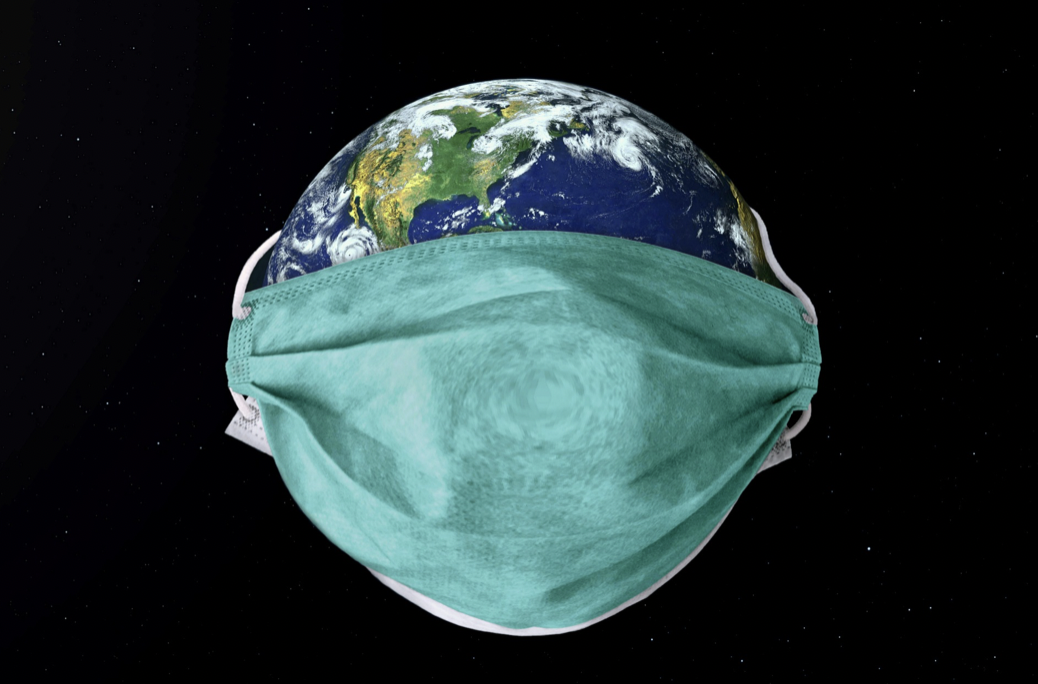
The post-COVID world may be a very different place to live. Due to rapid changes in geopolitics and social lives, we may find ourselves standing in unchartered territory.

As we greet the new decade with the greatest international health crisis in modern history, society is braced with the shift into an era of social isolation and greater need for psychiatric treatments. Meanwhile, vanguard movements towards alternative medicines and psychedelic therapy have already started gaining momentum in the healthcare industry and scientific community.

The globalized, industrialized, and incessantly-driven economic world that we live in is similar to an amateur riding a bicycle. The moment he bears a shock, there is a genuine fear of halting down and falling off the ridge. The COVID-19 Pandemic is fast-emerging as the greatest shock of our times to the world economy.
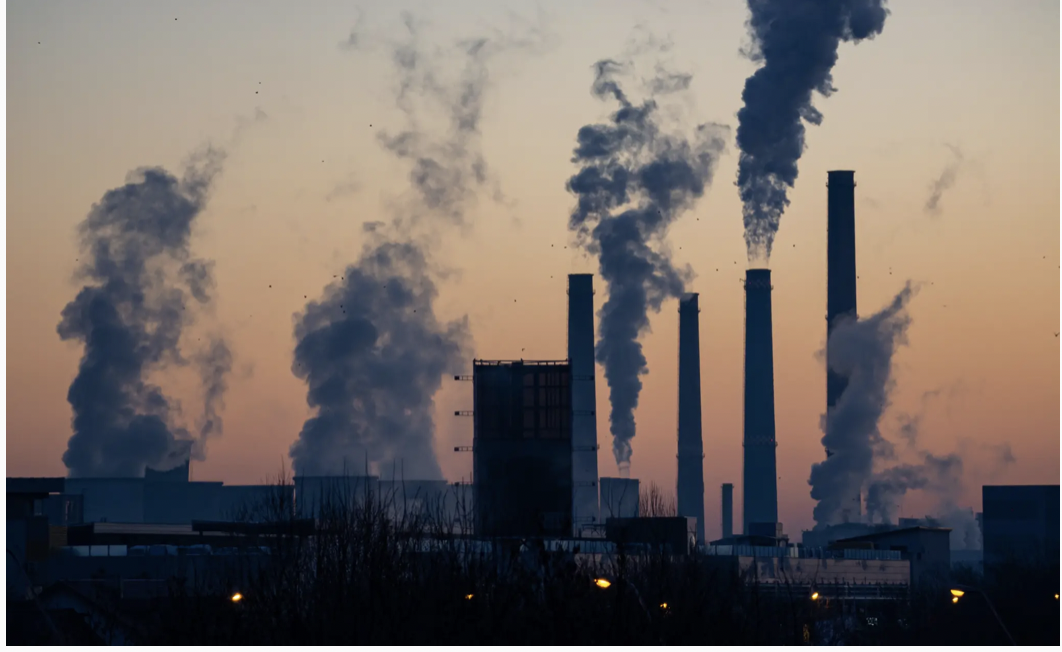
In face of the looming climate crisis, China must decide whether to pursue maintaining its steadfast economic growth or to implement climate-conscious measures.
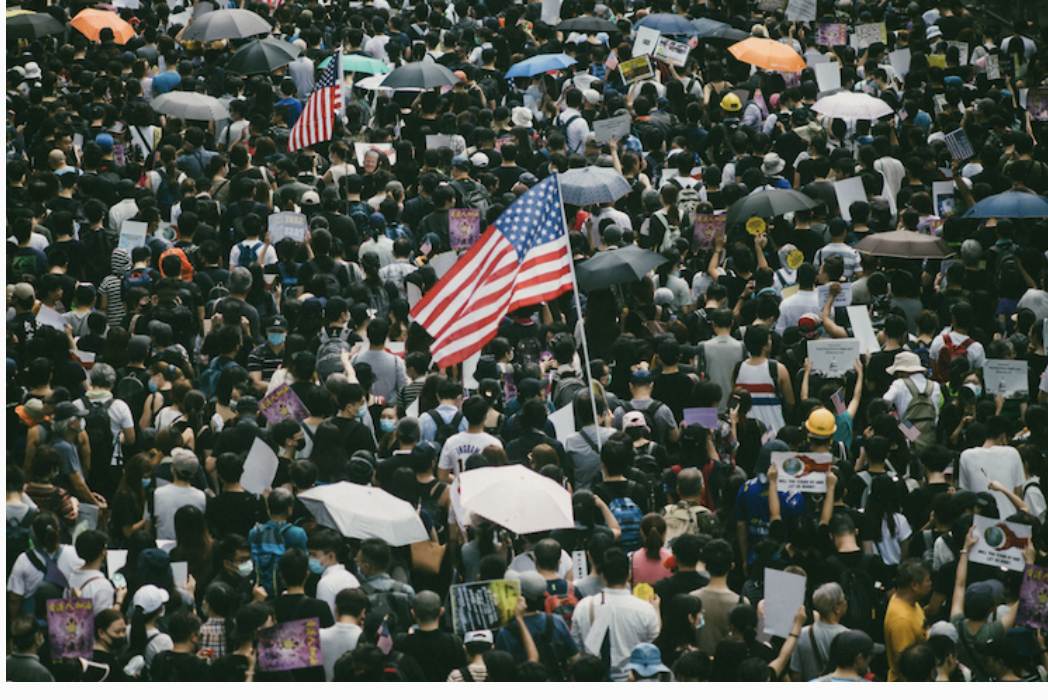
As Hong Kong is in the midst of political mayhem, staff writer Rachel Chiang spotlights the various forces driving the protests, and spotlights the human rights abuses that are occurring as a result.
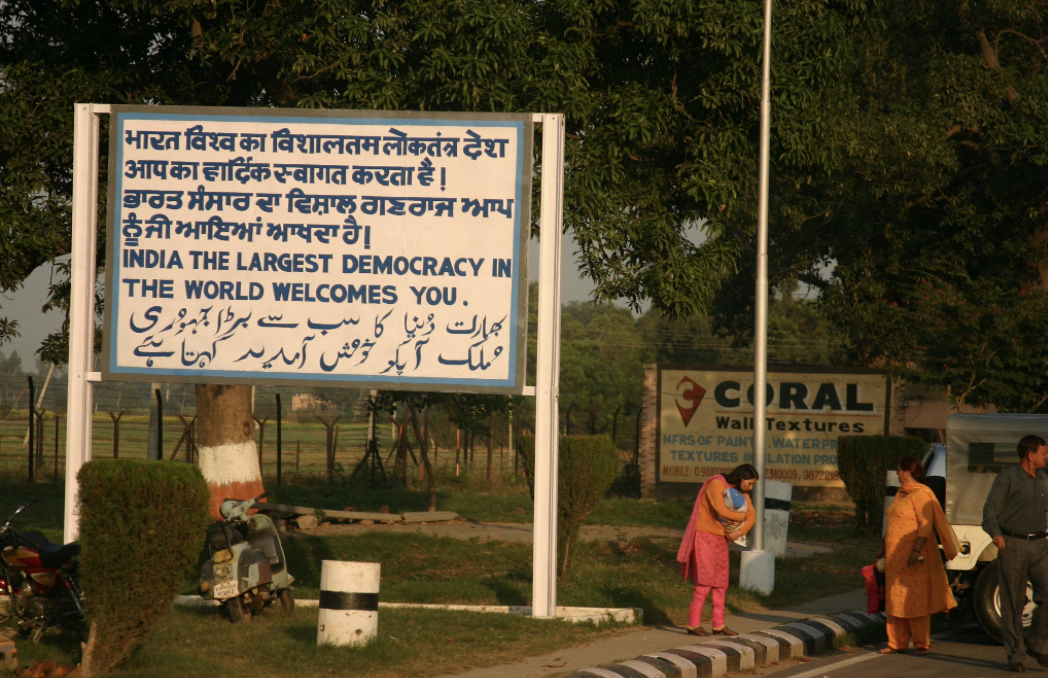
The 1947 partition of India and Pakistan was anything but a clean divide. Based largely along religious lines, the move was meant to place the large population of muslims into Pakistan. Muslims in India have had a well documented history of discrimination, but are the conditions for Pakistani Hindus any different?
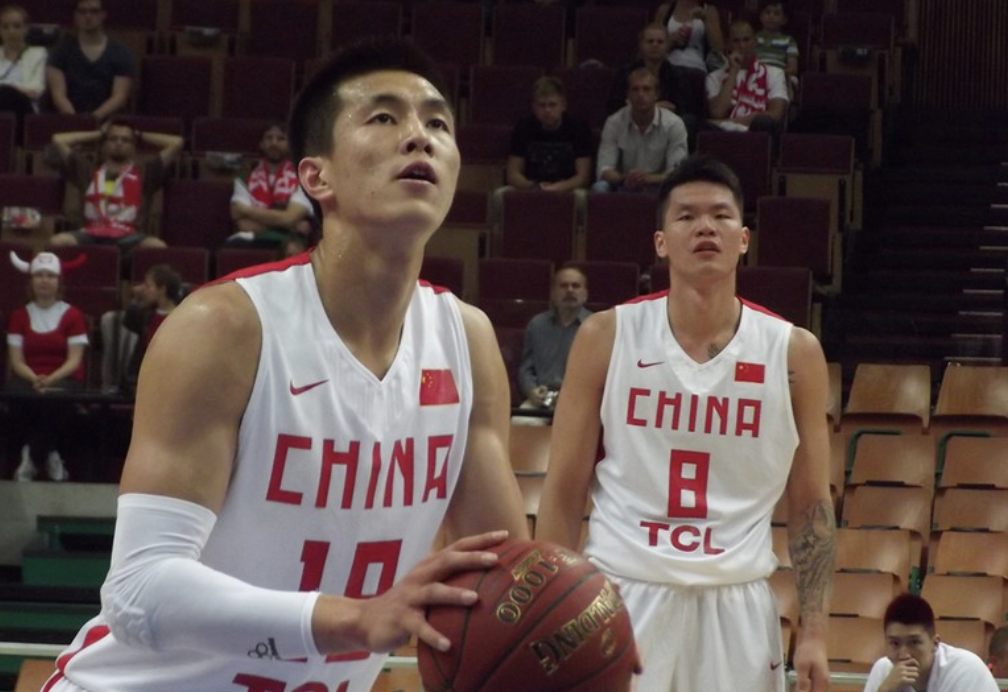
How much responsibility do companies bear in speaking out on politically salient issues? What happens when speaking out has a direct impact on their profits? Staff writer Nicholas Kishaba on the recent case of China and the NBA.
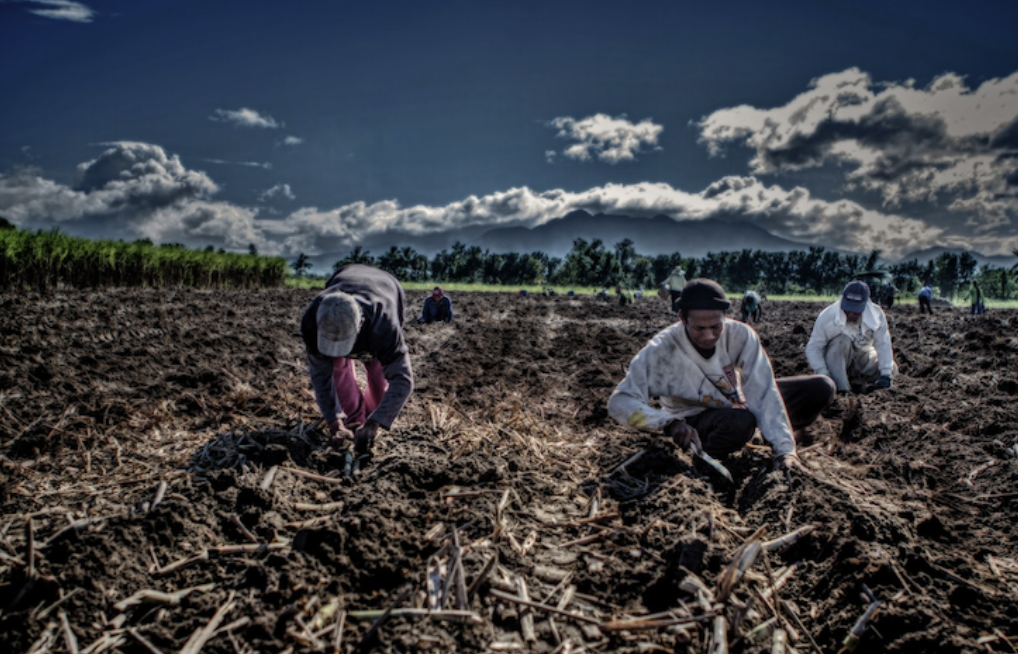
Staff writer Calvin Manahan speaks on the human rights violations that environmental activists face under President Duterte's vigilante regime in the Philippines.
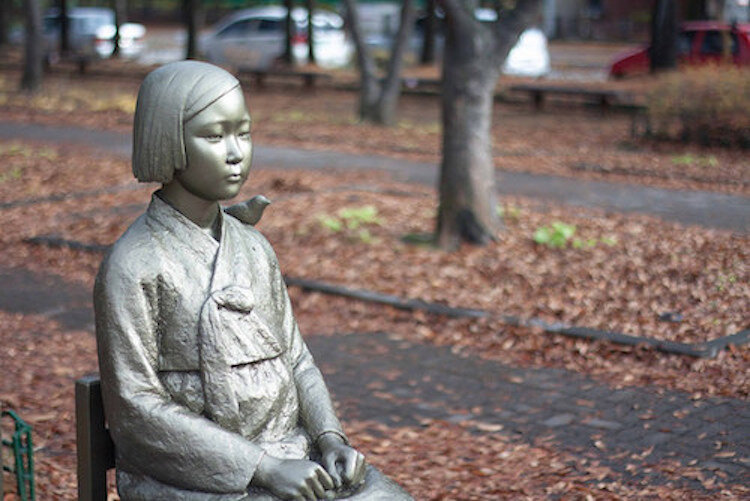
Staff Writer Deborah Jeong discusses revived talks on the controversial Comfort Woman during World War Two and its potential to further propel the #MeToo movement
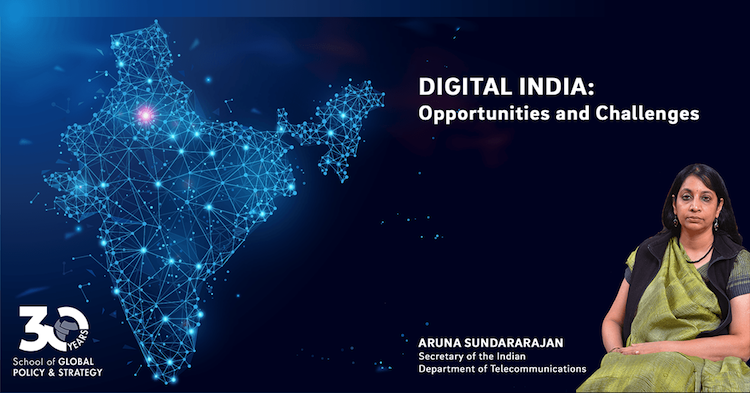
Staff Writer Pankhuri Prasad covers a GPS event on India's technological advancement.
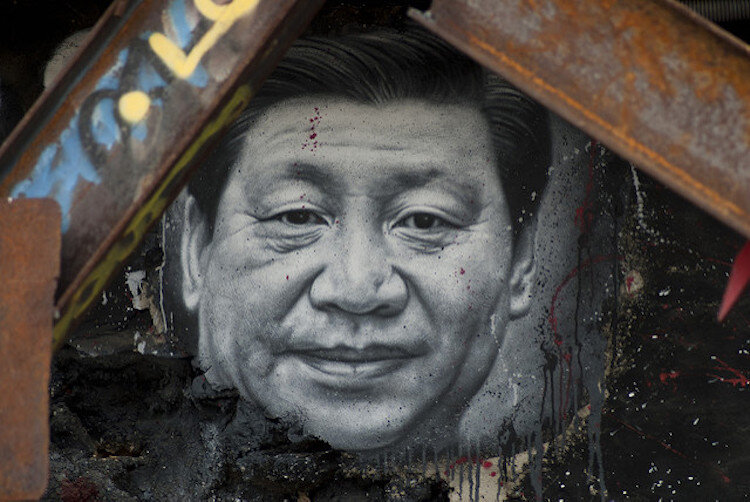
Staff Writer Madisen Ro analyzes the potential consequences of increasing presidential power in China and the signs of a political shift towards authoritarianism
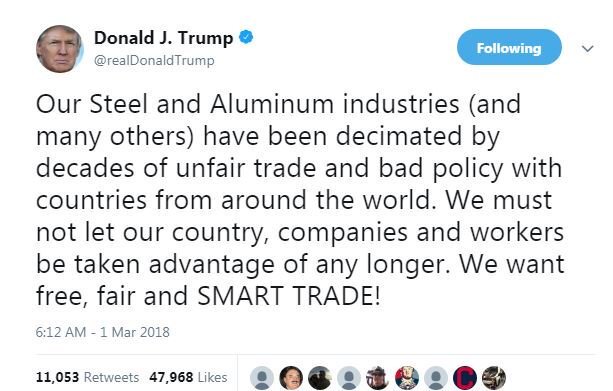
Staff Writer Cailen Rodriguez examines the global repercussions of Trump's take on trade.
Staff Writer Bailey Marsheck reviews a GPS 21st Century China Center Event
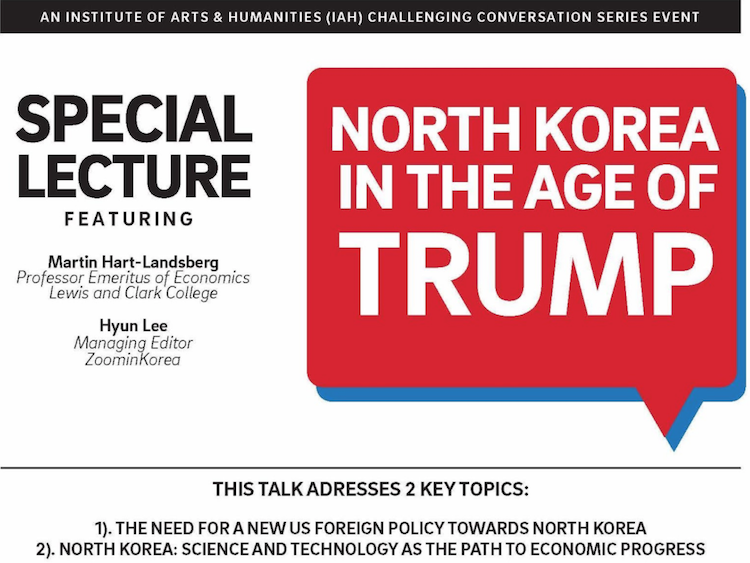
Staff Writer Cailen Rodriguez reports on a UCSD event, where speakers discuss U.S. policy on North Korea.

Staff Writer Bailey Marsheck argues that inadequate reach of education has limited Nepal's ability to keep up with the advancement of its neighbors. However, changes may be on the horizon.

China's rise on the global stage was facilitated in large part by an artificial export surge, the effects of which was dubbed the 'China Shock.' Now, with the country facing strong economic headwinds, Chinese leaders are trying to craft another export surge to revive growth. The U.S. may be in for another round of job loss and political turmoil.
In the last twenty years, China has funded $170 billion worth of development projects in Africa under the “Belt and Road Initiative.” The initiative aims to connect Asia, Africa, and Europe through infrastructure, but the BRI has been met with skepticism. Questions about China’s intentions in the region and the BRI’s long-term effects on the economies involved are paramount to the West
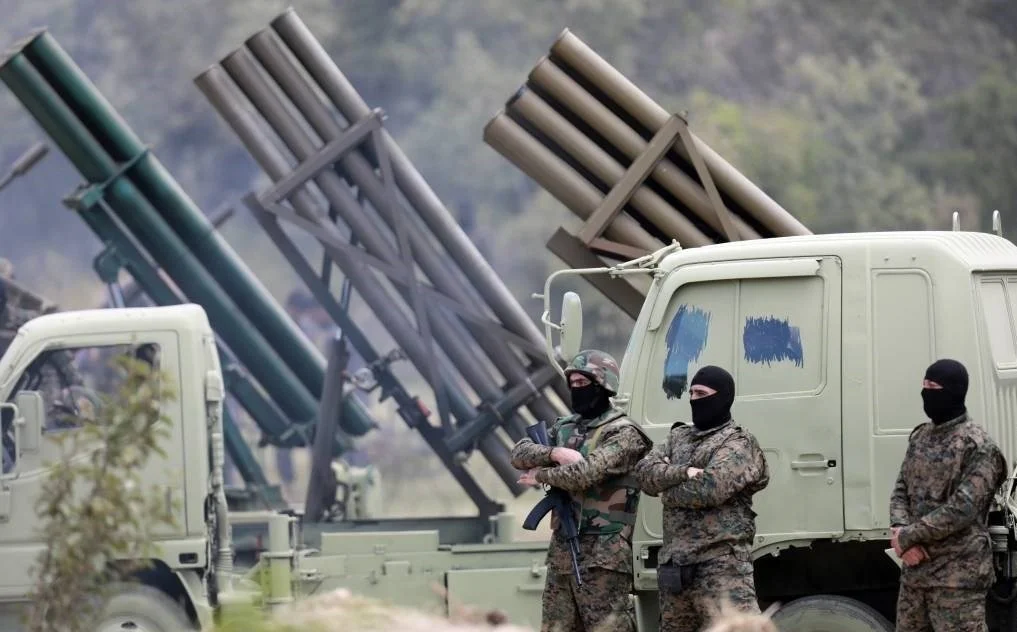
Unlike global superpowers like the U.S. and Iran, the Lebanese paramilitary terrorist group Hezbollah is a non-state actor. It doesn’t control a sovereign territory, and it doesn’t have traditional access to state resources. Still, it has continued to hold out against Israel – who is backed by the might of the U.S. – over decades. How has this non-state actor managed to gain enough resources to put up a fight, and how has it embedded itself so deeply in Lebanon?
The smartphone prompted a social revolution, fundamentally expanding the scope and speed of human communication. It is powered by electricity, operated by a human and made of rare earth elements. Although the smartphone’s integration into mankind’s daily lives has become an invaluable asset, it has also become a source of strategic leverage against global supply chains amid a trade war.
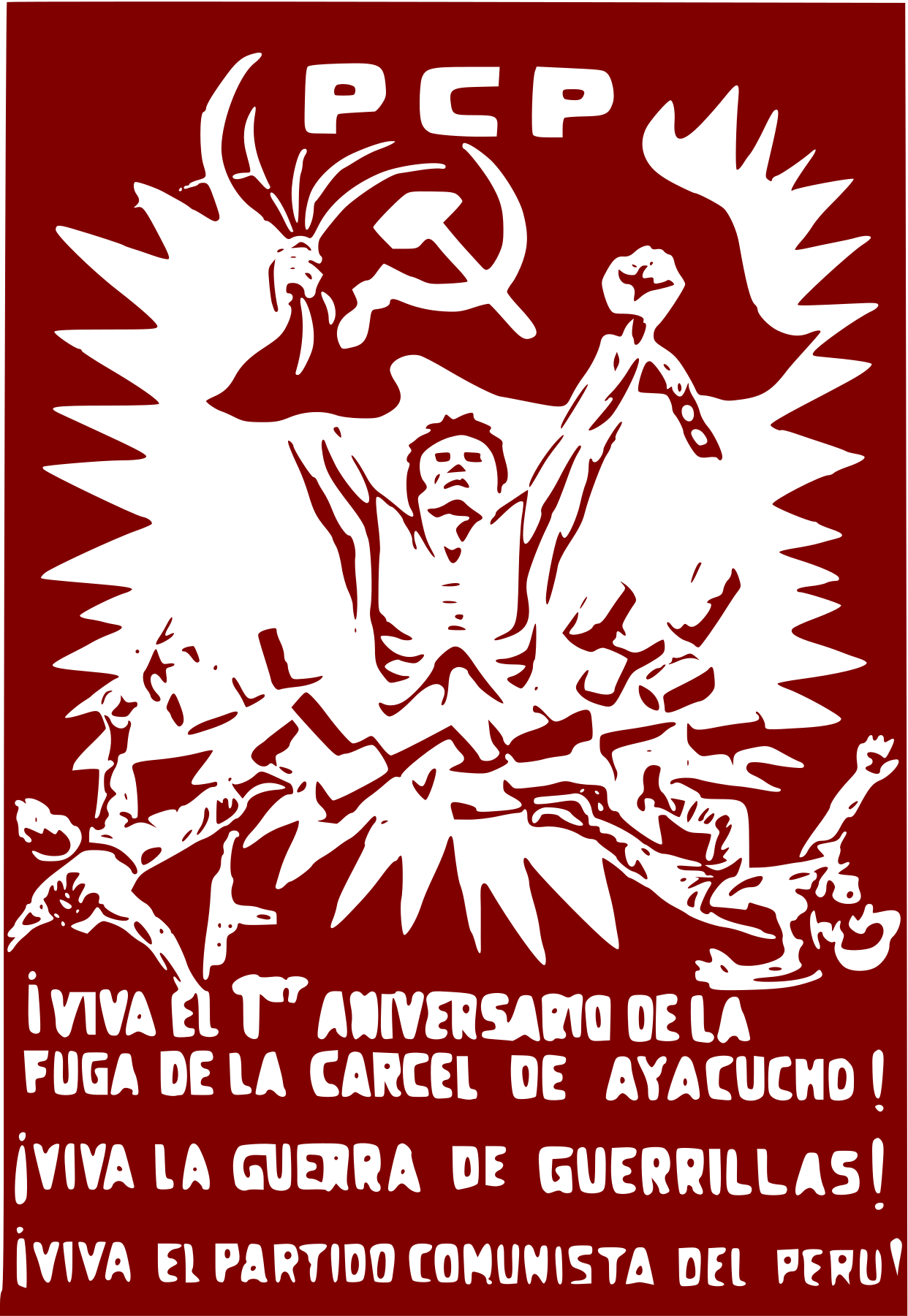
Over the last decade, Peru has been plunged into crisis: organized crime, corruption, protests, and the ensuing violent military repression plague the country. The situation has become so dire, that the country has gone through nine presidents in that time, with a tenth on the way. The factors behind Peru's crisis are multifaceted and complex, and the journey to unravel it all is as perilous as the Andes themselves.
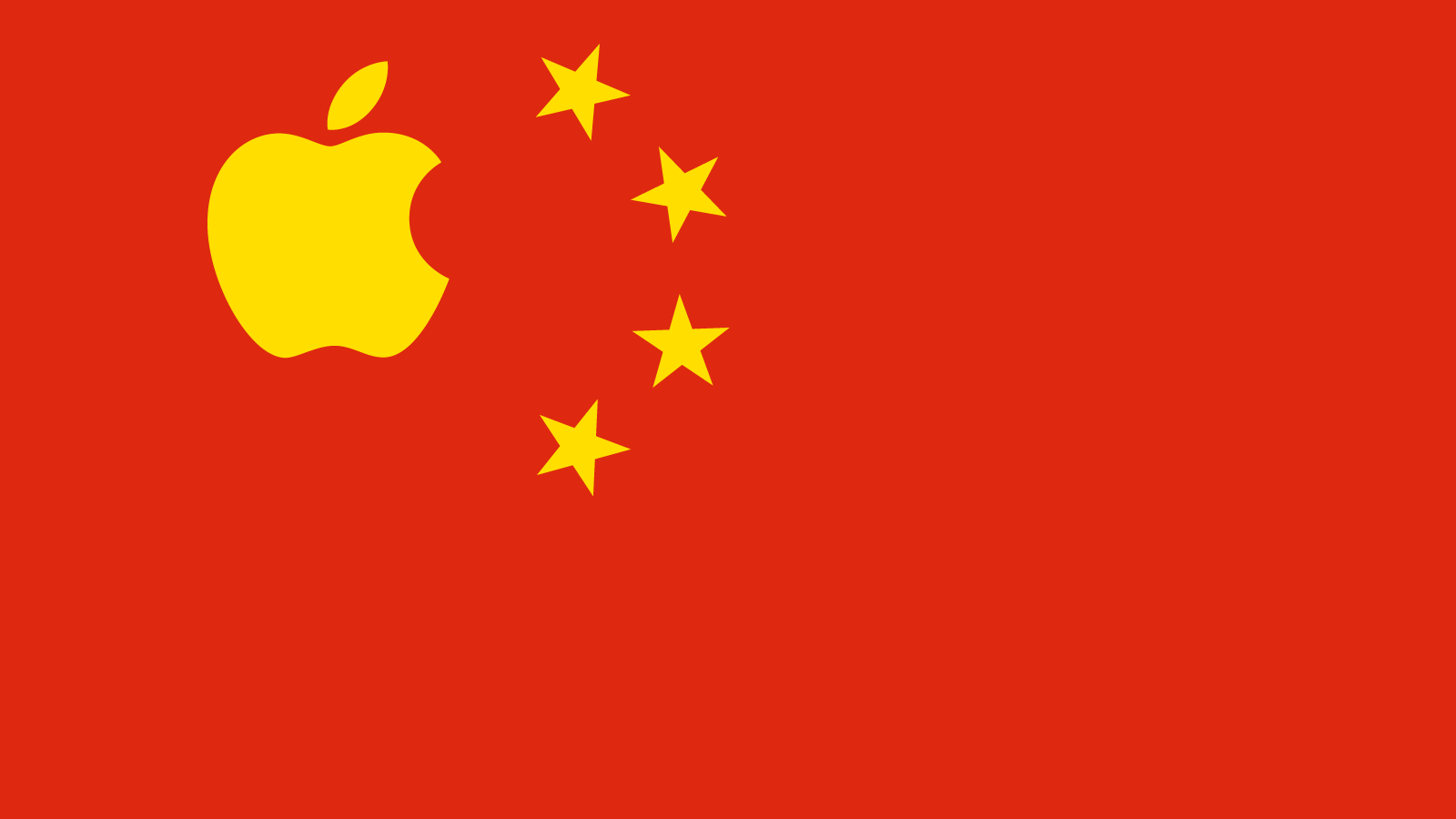
China has historically provided a vast consumer market, a strong manufacturing base and the promise of long-term growth for multinational corporations. Today, that relationship could be in danger. For some companies, China remains a source of growth, innovation and opportunity. Yet that success often comes with trade-offs. The question is no longer simply whether China is a place to succeed. It is whether success there can be sustained, and more importantly, on whose terms.
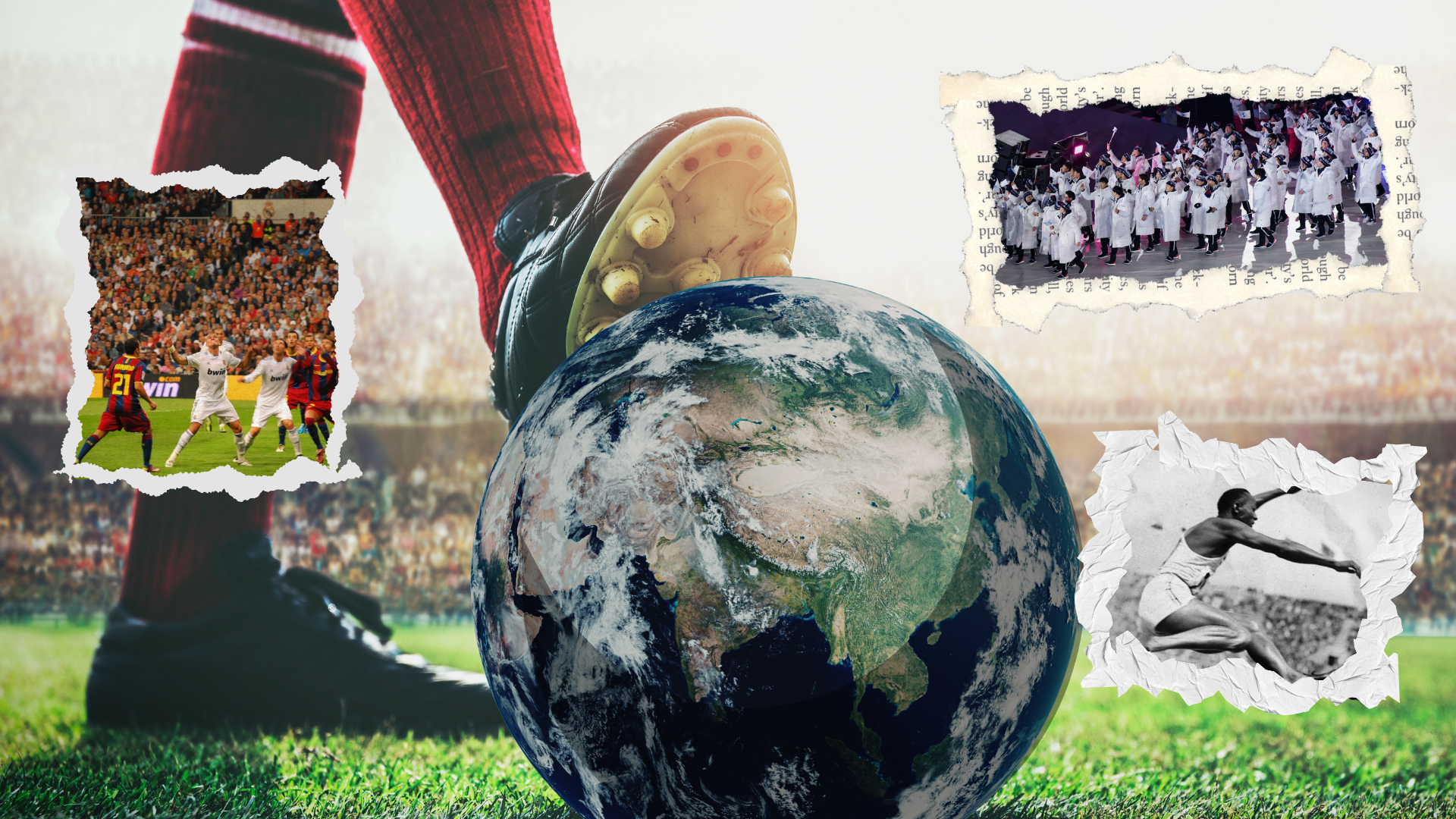
Although international sports are often intended to be an escape from the harsh reality of the political state of the world, they commonly become pseudo-battlefields. Teams represent their governments and fight to establish dominance as the world watches. With the upcoming 2026 World Cup, it is worth examining how rising global tensions are played out by sports being utilized as stages of both diplomacy and conflict.
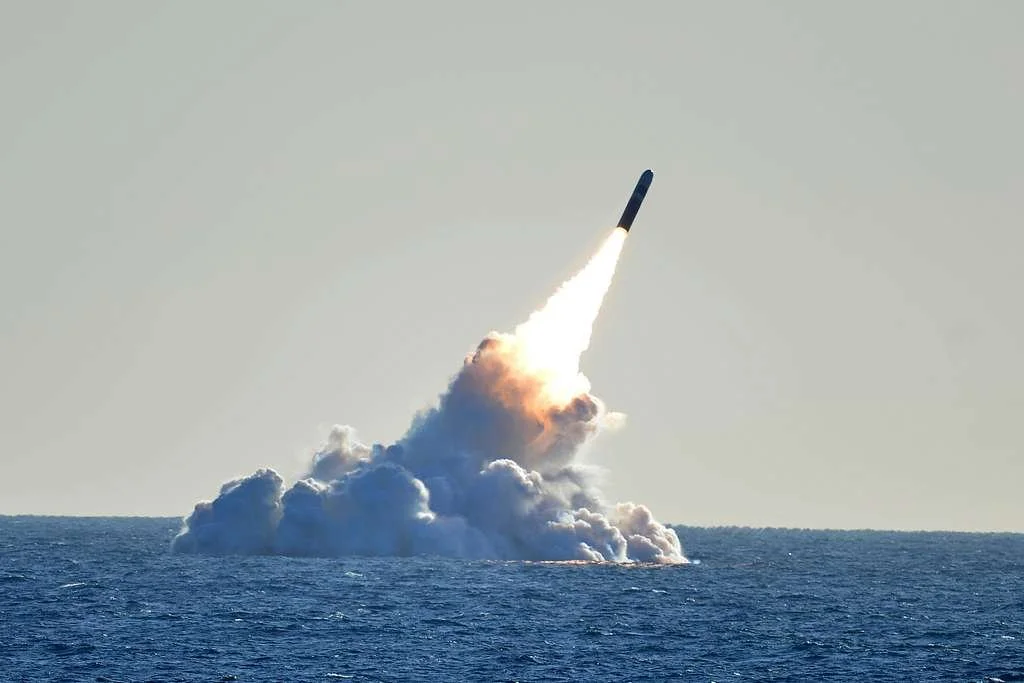
On February 5, New START, a bilateral treaty limiting the number of strategic nuclear warheads the United States and Russia could deploy, expired. Without this formal agreement, both nations are now free to deploy more strategic weapons, marking the end of decades of arms control. A world with larger nuclear deployments complicates arms control by normalizing nuclear weapons as practical tools of conflict and persuasion. Nuclear strategic stability now rests almost entirely on political will and trust that may be difficult to come by in an increasingly volatile and defensive security environment. Does the end of traditional arms control between these nations mean the end of nuclear strategic stability? And how will it affect conflict and innovation in the new global nuclear landscape?
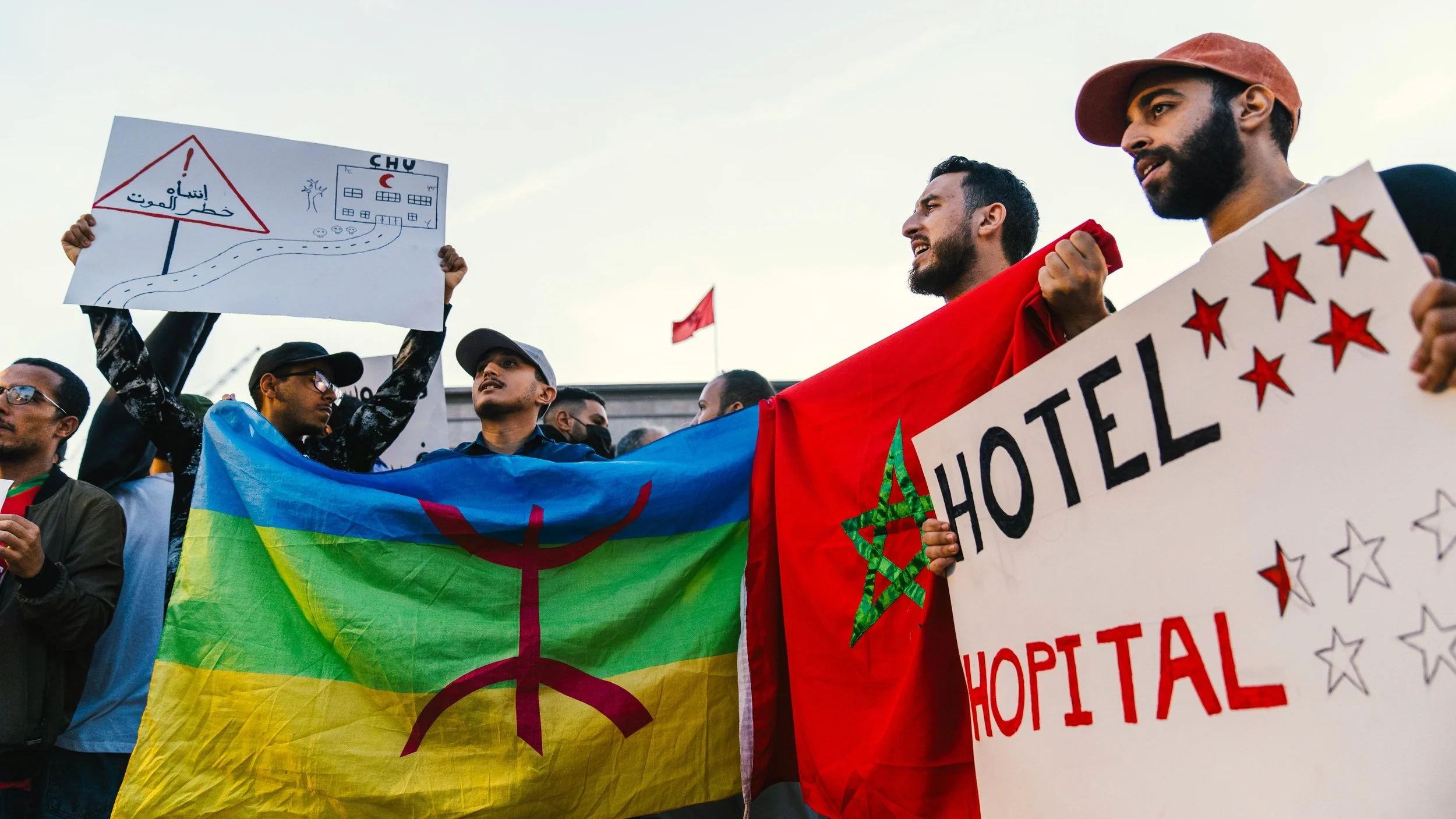
While Morocco's contribution to the 2030 FIFA World Cup will feature the newly constructed largest stadium in the world, the country's recent renovations appear to be purely external. Construction continues while healthcare facilities crumble, citizens naming them “Death Hospitals.” Youth unemployment rises as higher education levels decrease, feeding civil unrest. 2025 protests in favor of reforms have resulted in hundreds of arrests and deadly crackdowns, while government officials shift blame and fire hospital directors, touting “major accomplishments” citizens fail to see.
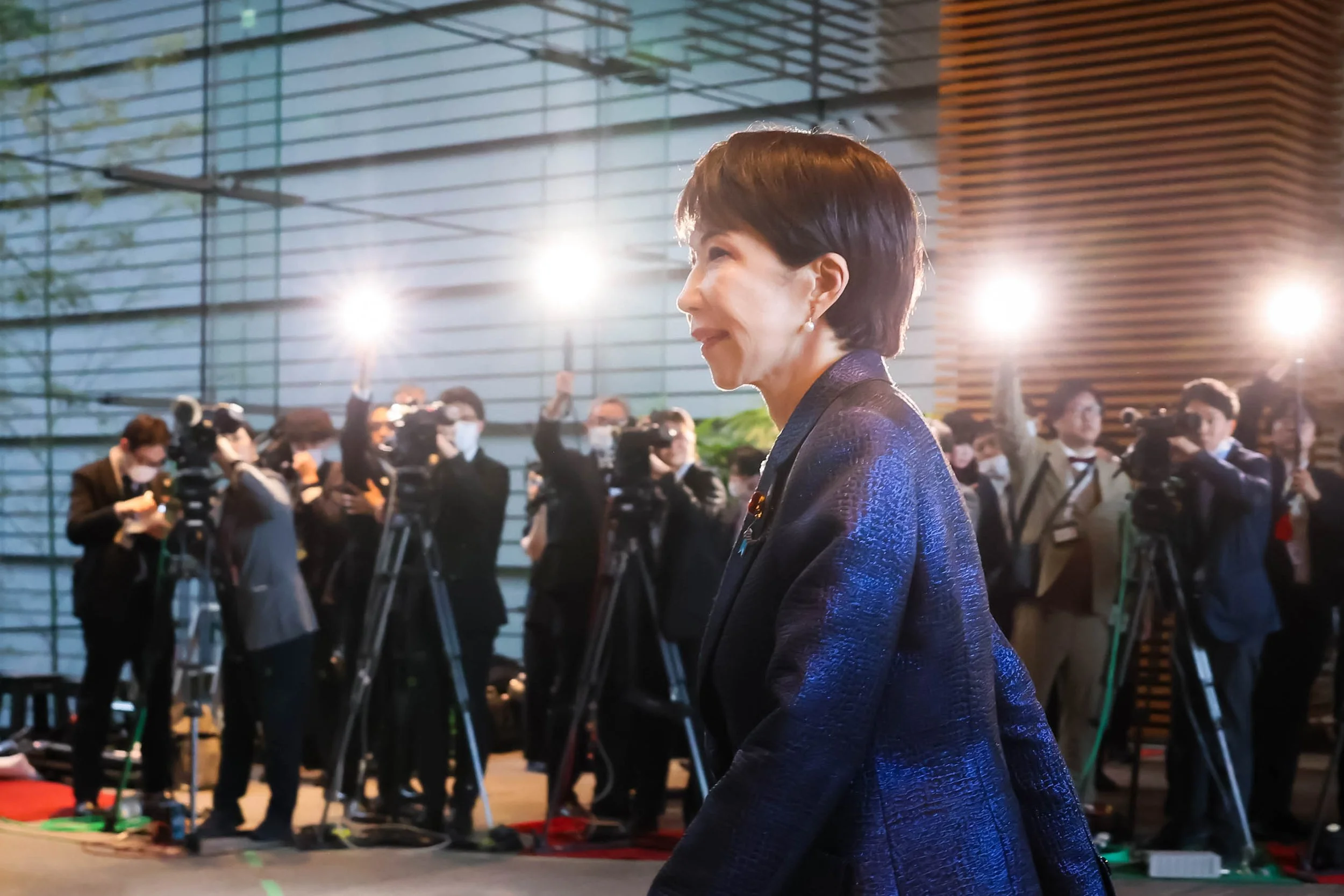
Japan’s 2026 snap elections resulted in a historic victory for the Liberal Democratic Party (LDP). The LDP secured a supermajority of 316 seats in the House of Representatives, enabling them to push Sanae Takaichi’s hardline conservative agenda. Despite international concerns, the Japanese stock market, which has floundered since the advent of the Lost Decades, surged. With a streamlined legislative process, Japan now has its greatest opportunity to purge the lingering effects of the Lost Decades.
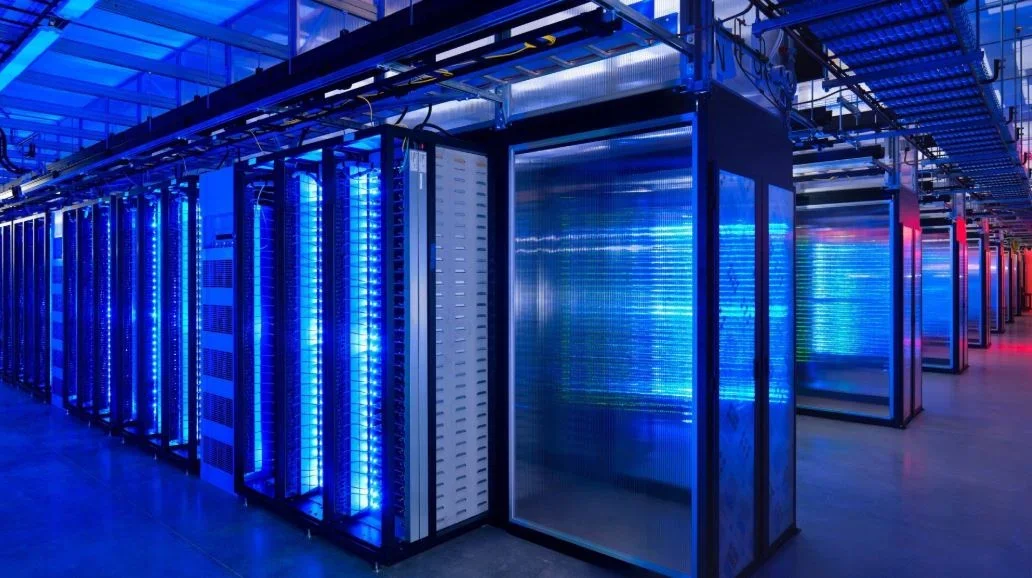
The artificial intelligence (AI) development race is often categorized by fast-paced innovation that centers the processing speed and information capacity of AI models. All of this is only possible with increased technical refinement of AI data centers. Both China and the U.S. are locked in an arms race over which country is first to make the significant, century defining breakthrough. How do both countries’ approaches to AI data center development compare to the other?
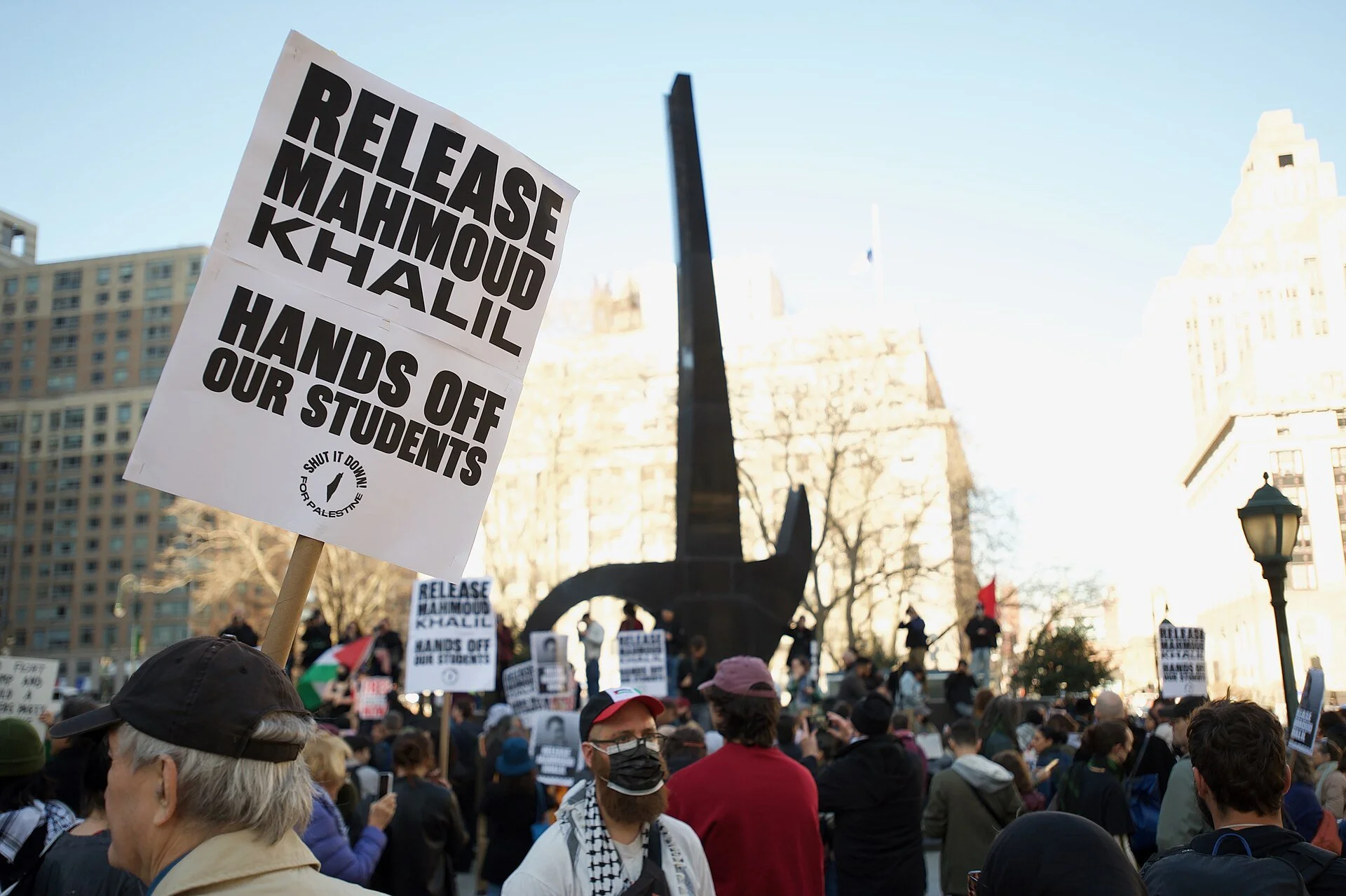
As justification for its numerous arrests and deportations of pro-Palestine activists, the Trump administration has cited national security and foreign policy concerns. But is this truly the administration’s priority? Or, rather, do these concerns veil what many view as a crackdown against freedom of speech? And if so, is there anything that can be done?
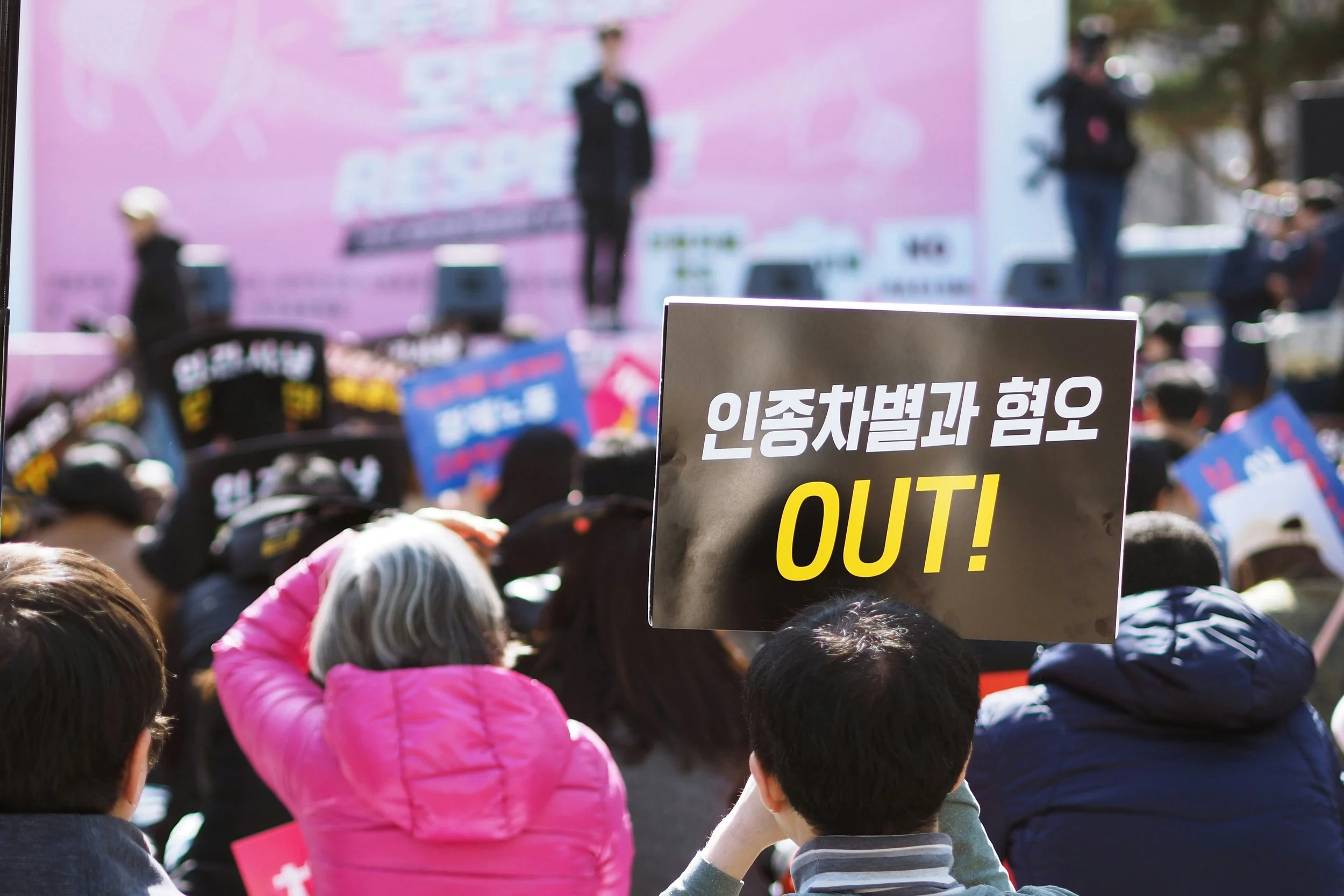
Nations worldwide are grappling with shrinking populations, but South Korea faces one of the most severe population threats in the modern era. But why is that? Understanding and averting the nation’s fertility crisis requires more than just mere reflection on the past and present: it requires decisive action, and the sands of time may just be running out.
For decades, Taiwan’s technological dominance has created a United States (U.S.)-supported silicon shield. Now, repeated data breaches and trade secret thefts threaten to weaken that shield, potentially reducing Taiwan’s strategic leverage against China’s growing opposition.
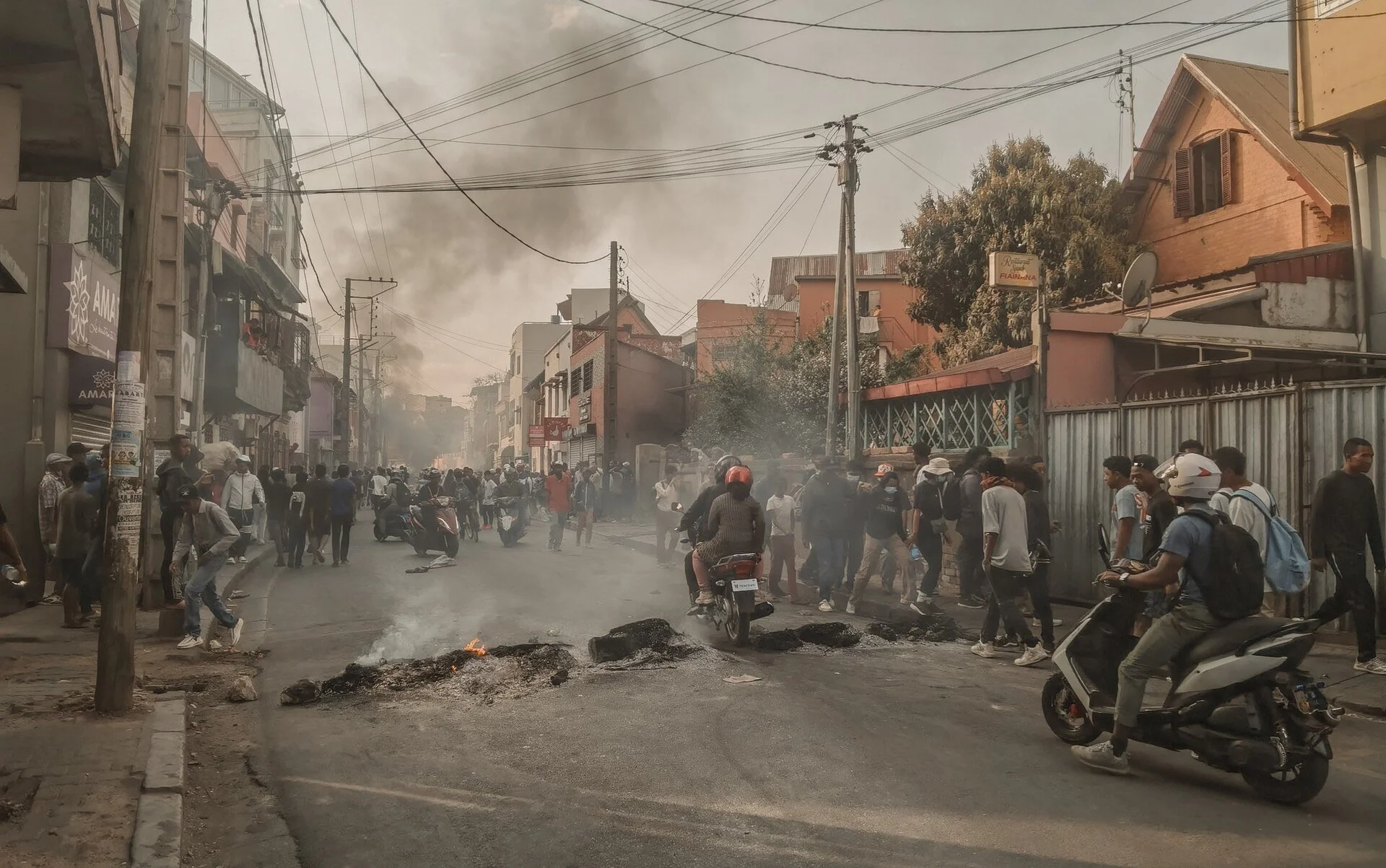
Madagascar recently experienced a military coup d'état which deposed their long-time President after a series of protests. However, that President-Andry Rajoelina-had also come to power in a military-backed revolt. It therefore begs the question: is this coup a break from the past or just more of the same? This article traces Madagascar's history from the colonial era to the present seeking to answer that very question.
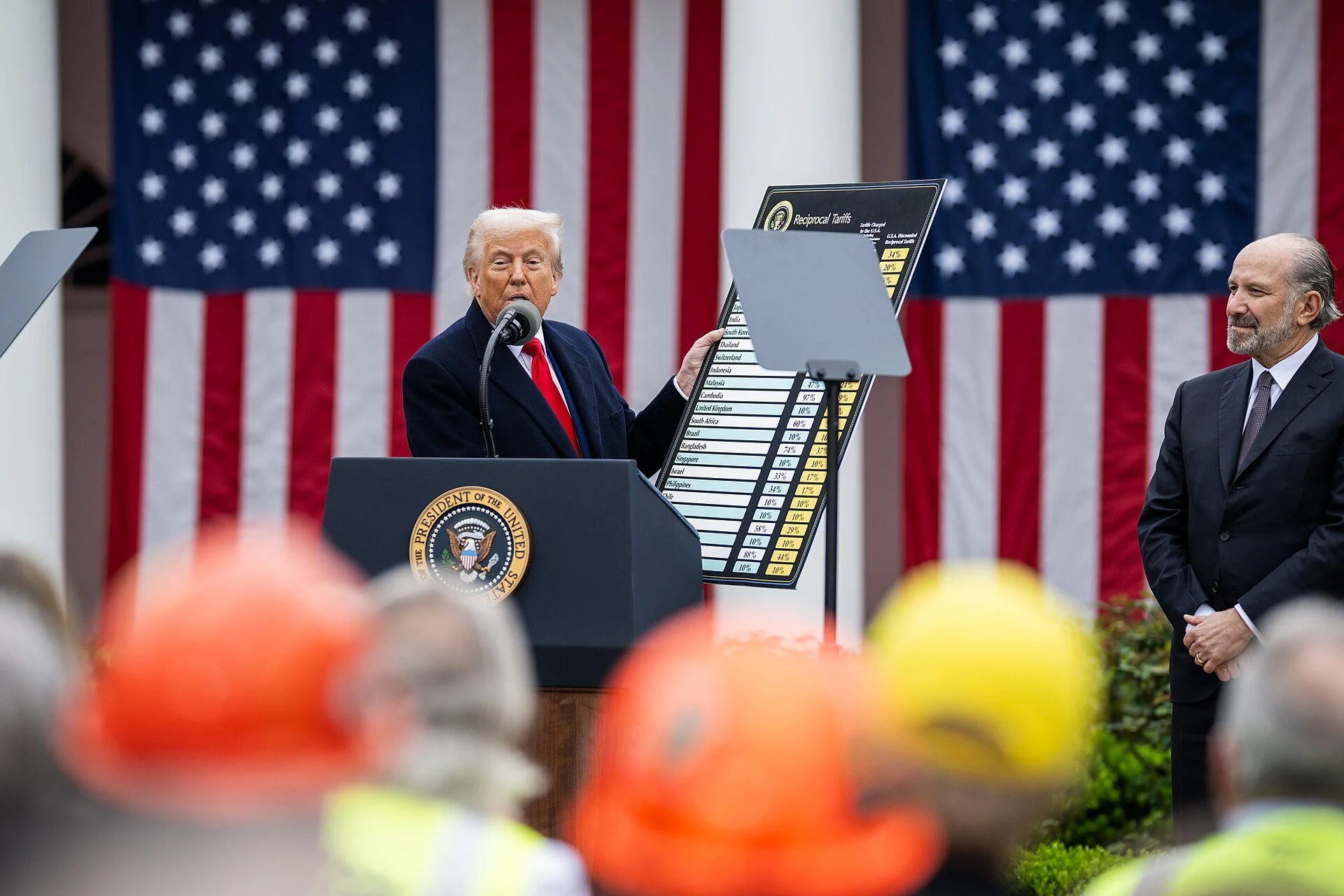
U.S. President Donald Trump's first year of his second term has shook the global economy and community. His aggressive tariff policy and rhetoric, referred to by some as "the Monroe Doctrine," is on full display in Latin America. This strategy raises several questions: Who benefits and loses in Latin America? And what are the geopolitical ramifications between the U.S. and the global community?
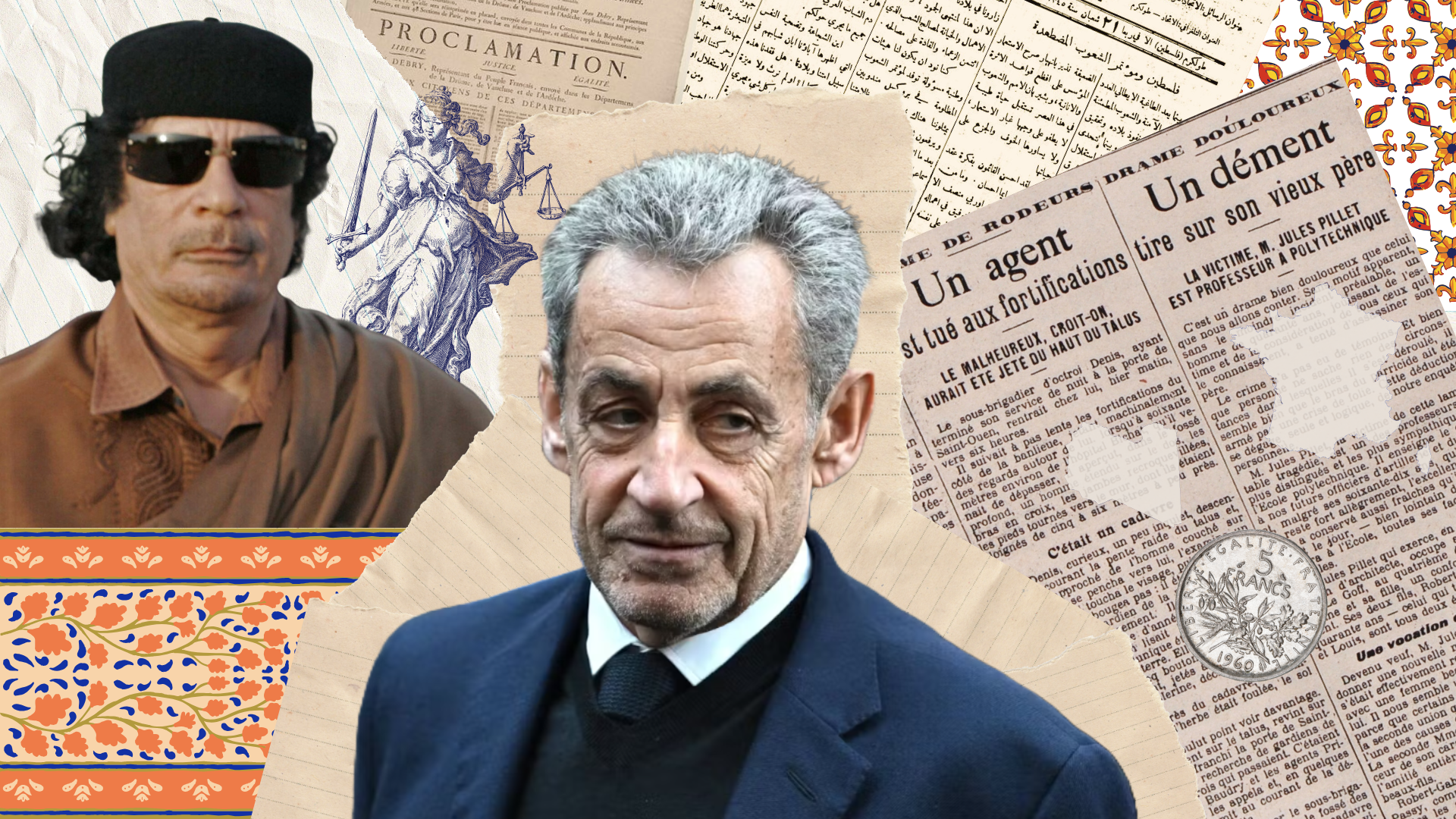
French courts ruled that Nicolas Sarkozy allowed close aides to produce a “corruption pact” with the regime of Libyan dictator Muammar Gaddafi. Sarkozy himself was found guilty of criminal conspiracy and accused of utilizing secret campaign financing in exchange for political favors but denied wrongdoing throughout his trial. Calling the case a “scandal,” Sarkozy continued to insist upon his innocence, declaring throughout the trial: “What credibility can be given to such statements marked by the seal of vengeance?”
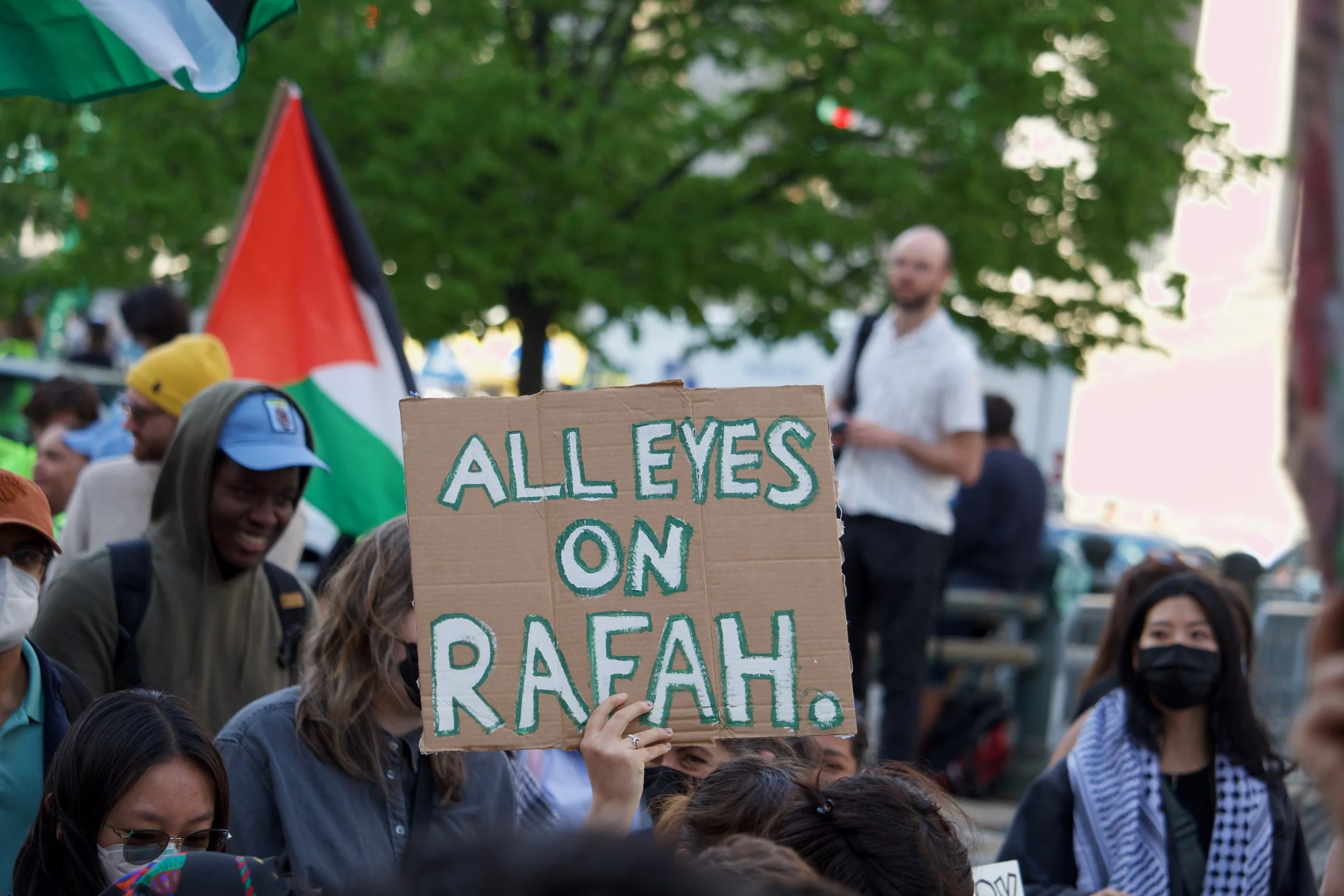
Nepalese Gen-Z imagined new leadership in their corrupt government. The Sudanese people look for ways to coordinate a path out of danger. International audiences desire the means to support imperiled Palestinians in the Gaza Strip. Can social media be a vehicle for ordinary people to create meaningful change?
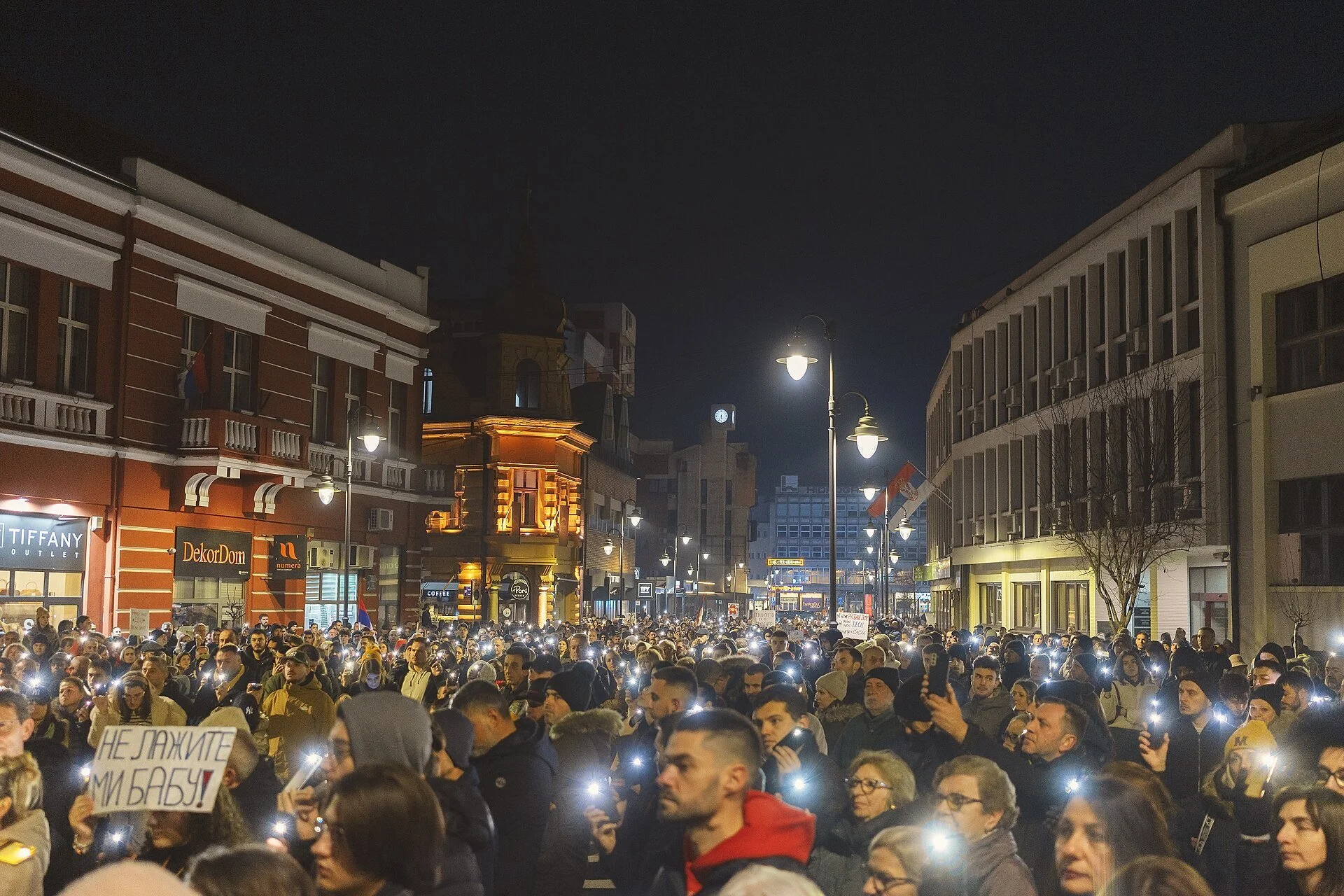
November 1, 2025 marked the one year anniversary of the ongoing mass protests in Serbia over the corruption and irresponsibility of the national government. Protests have reached over 300,000 participants and drawn people from all over the country. Despite the revolution unfolding before our eyes, most of the Western media has largely ignored the scale and persistence of these demonstrations.
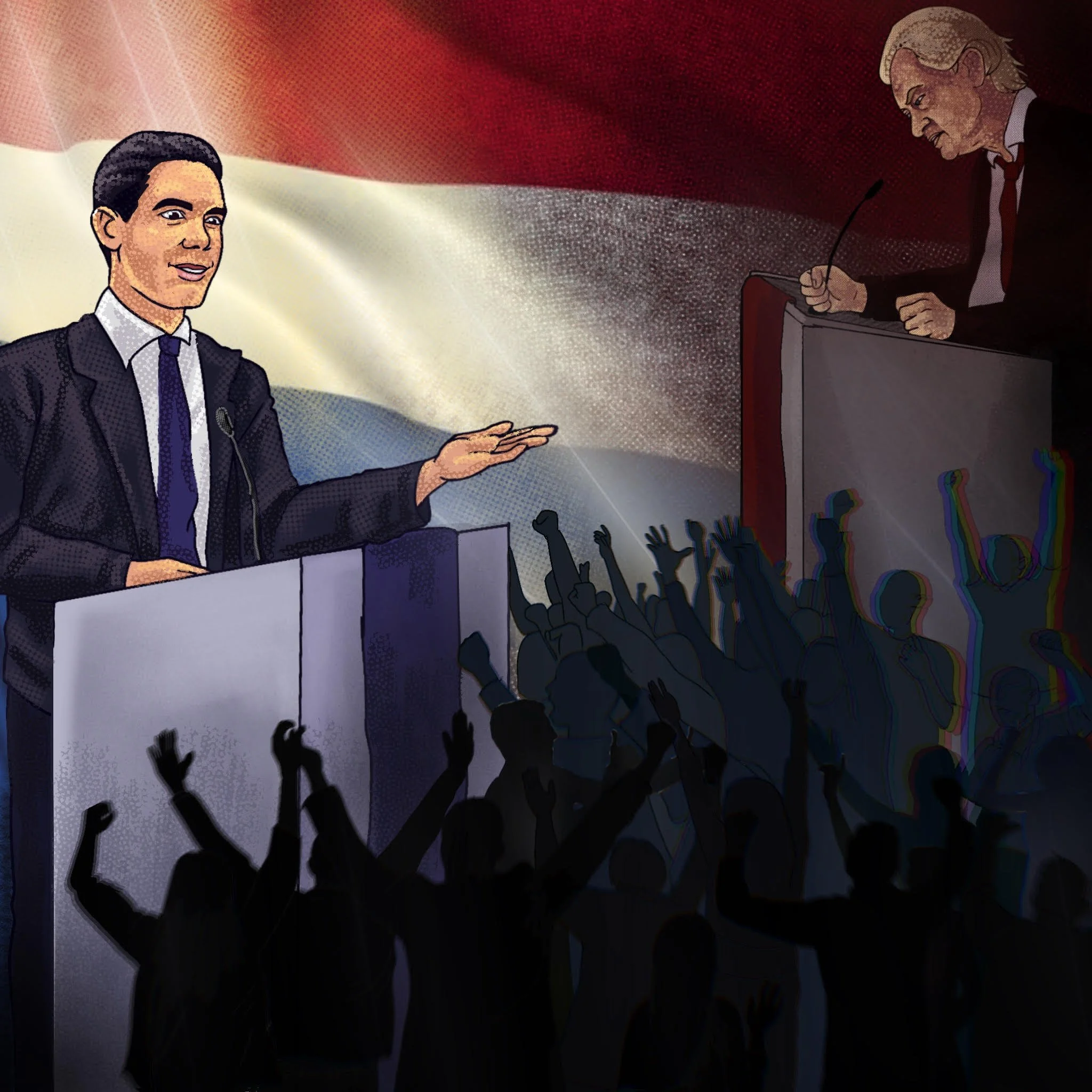
With the emergence of populist political parties around the globe, are there any forces that can stop them? Perhaps the answer lies in the Netherlands, where the D66 under Rob Jetten has overtaken Geert Wilders’ right-wing PVV as the largest party. Could Jetten’s leadership offer a template for stuck European centrists, or is it more of the same?
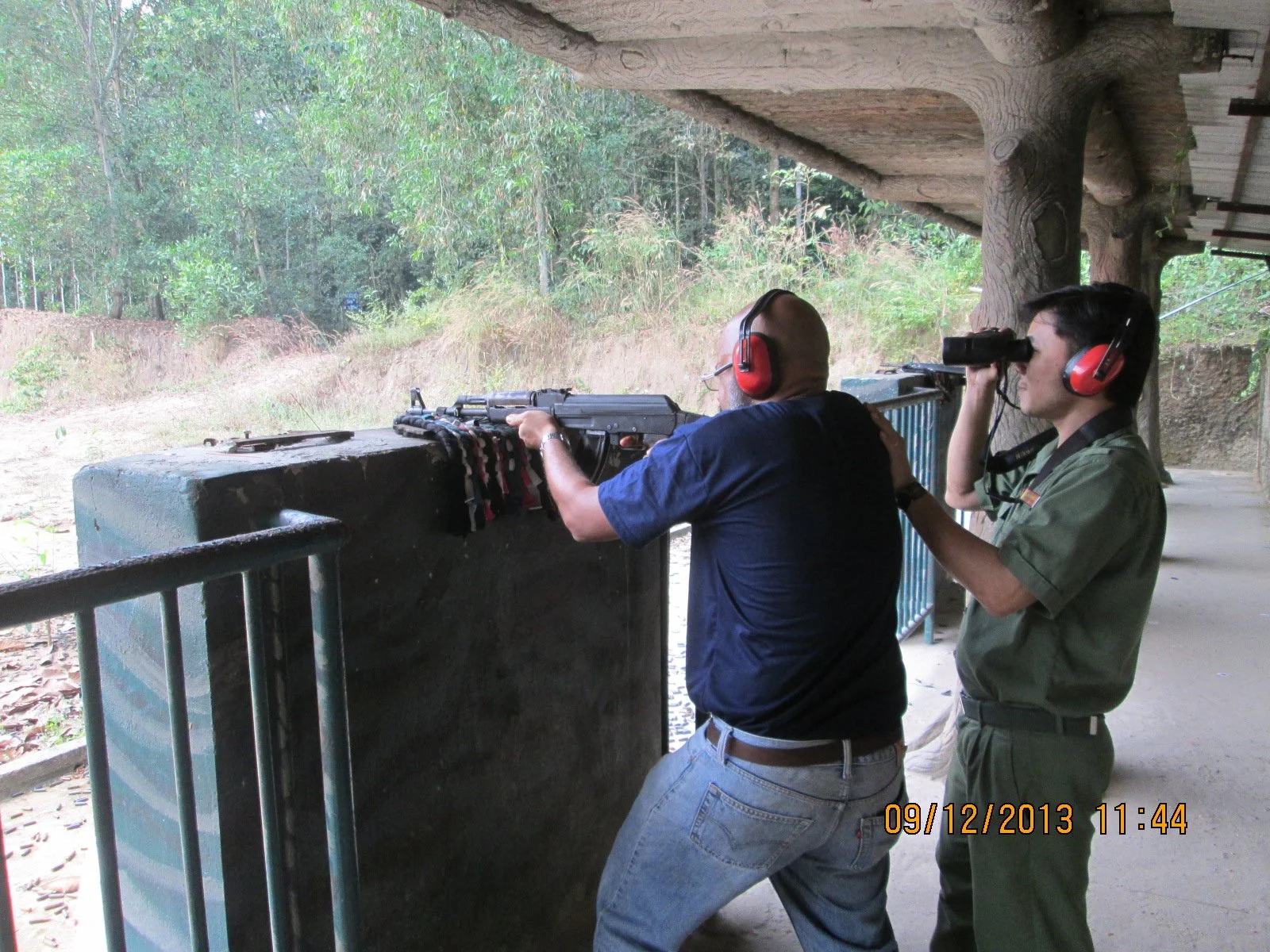
President Trump’s March 2025 executive order raised questions about the role of museums for imparting national messaging to both citizens and foreign visitors. However, this struggle to define civic identity happens around the world. Both museums and pseudo-historical sites can shape how people understand the past, often in ways beyond the purview of the government. How does transnational memory of the Vietnam War exemplify this dynamic?
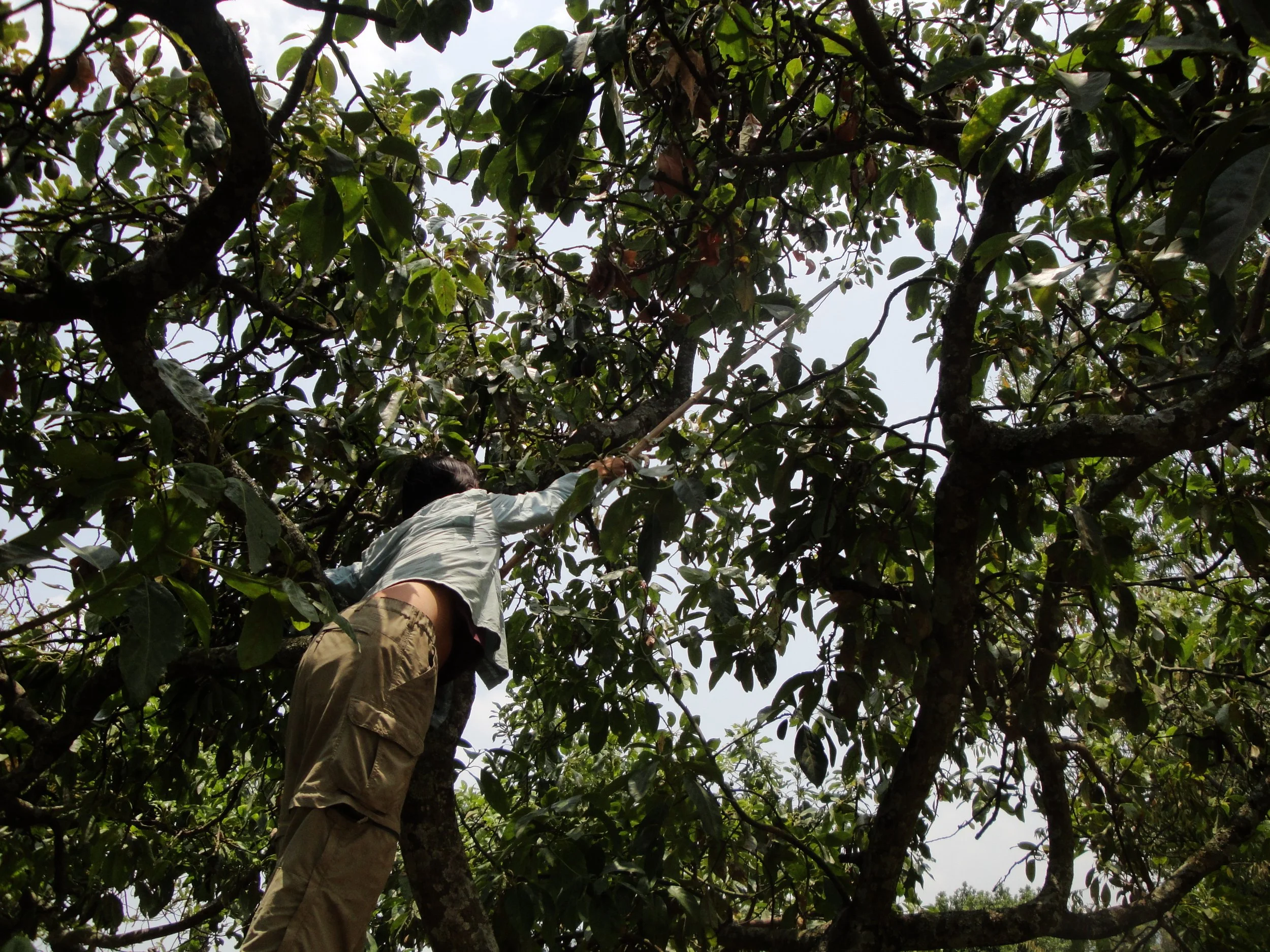
Michoacán, Mexico, is known as the “avocado capital of the world,” generating $2.5 billion in annual revenue through exports. The booming industry has become an unexpected frontline in Mexico's fight against organized crime. As international demand continues to surge, powerful cartel groups have embedded themselves in the avocado industry through extortion and extreme violence, turning Michoacán into a battleground over cartel control and instilling fear in farmers across the state. United States and Mexico relations have only intensified over the correct response to the increase in cartel involvement, with Mexico firmly keeping U.S. military forces out of its lands.

The recent capture of Venezuelan President Nicolás Maduro has sent the international community and U.S. citizens questioning the validity of President Trump’s anti-interventionist foreign policy promises. The administration’s moves to control and exploit Venezuela’s oil echoes operations carried out in the Middle East throughout the early 2000s and reinforces the U.S.’s long history of resource imperialism in the name of democratization. Will Venezuela be the success story of democratization that the U.S. was not able to achieve in Iraq and Afghanistan, or will it prove that American oil conquests will always take precedence over anti-authoritarianism?
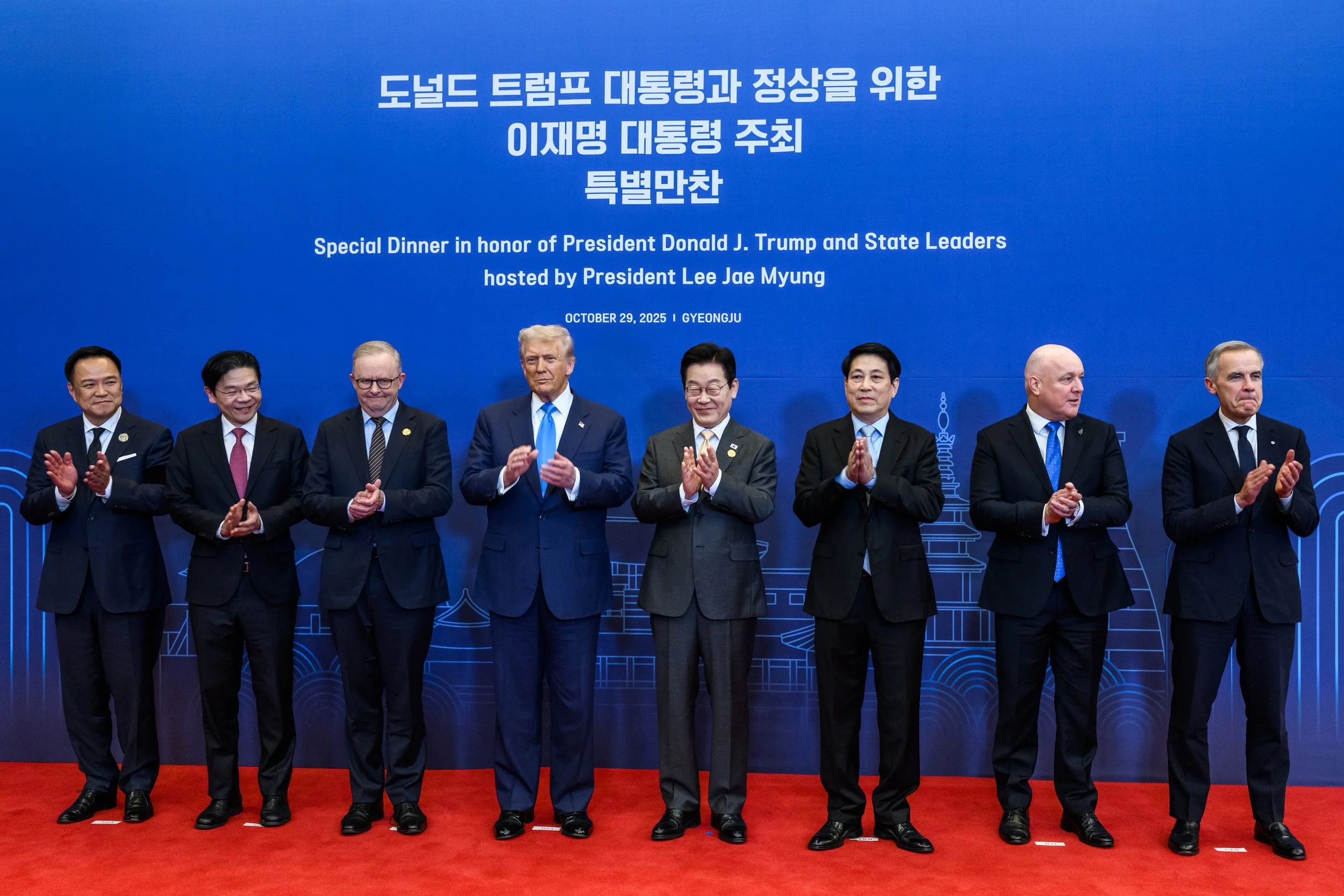
On October 30, 2025, U.S. President Donald Trump approved plans to share nuclear-propulsion technology with South Korea that will allow them to build their own nuclear-powered submarine—one of only two countries to receive this technology from the U.S. This decision was announced alongside a new trade agreement and a pledge to increase bilateral technological investment, marking a progression in the long-standing U.S.-South Korean alliance. This strategic shift raises critical questions: What does this extension of the alliance signal about the current balance of powers in East Asia? And what does it indicate about the evolution of the relationship between the U.S. and South Korea?
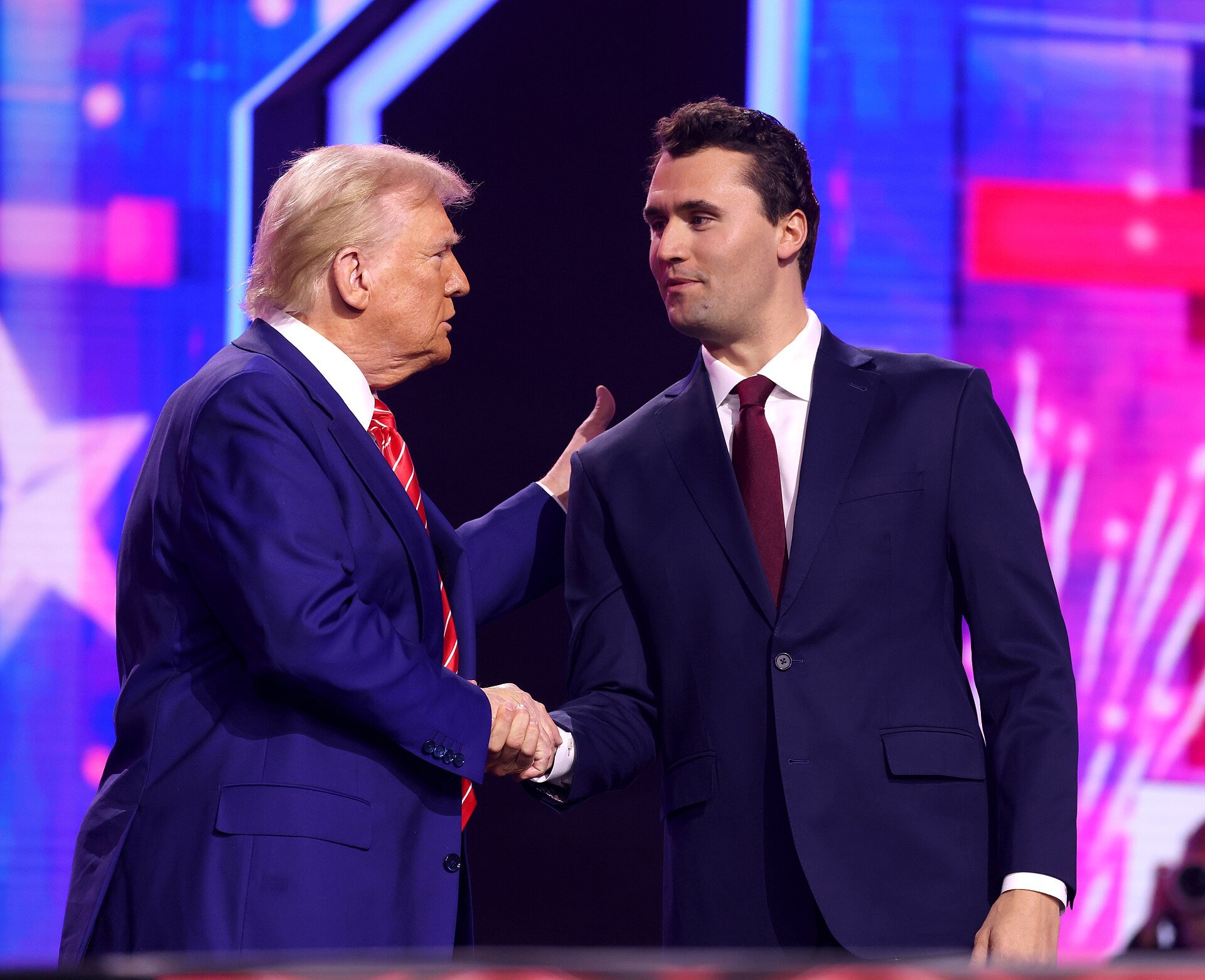
Former police officer Larry Bushart found himself behind bars in September for posting a meme criticizing a vigil for right-wing political activist Charlie Kirk by juxtaposing it with a 2024 quote of President Trump dismissing the tragedy of a school shooting by crudely saying “We have to get over it.” His arrest is part of a greater trend towards mass censorship and legal punishment of comedy under the current administration. This new era of political censorship allows inflammatory right-wing speech to circulate while its leftist counterpart is repressed.

Nigeria faces overlapping crises shaped by terrorist insurgency, criminal banditry, separatist movements, and communal conflict. Yet in Washington, the crisis is often reduced to a single story of Christian persecution, a framing that risks distorting both Nigerian realities and the global response.

Madagascar is one of the countries around the globe that has recently experienced a Gen Z led protest movement. The Malagasy protests led to a successful political revolution, after which then president Andry Rajoelina fled the country. While the Malagasy people look towards the future with hope as a new system of governance is being created, there is one aspect of Madagascar’s economy that is still perpetuating a structure of inequality: tourism.
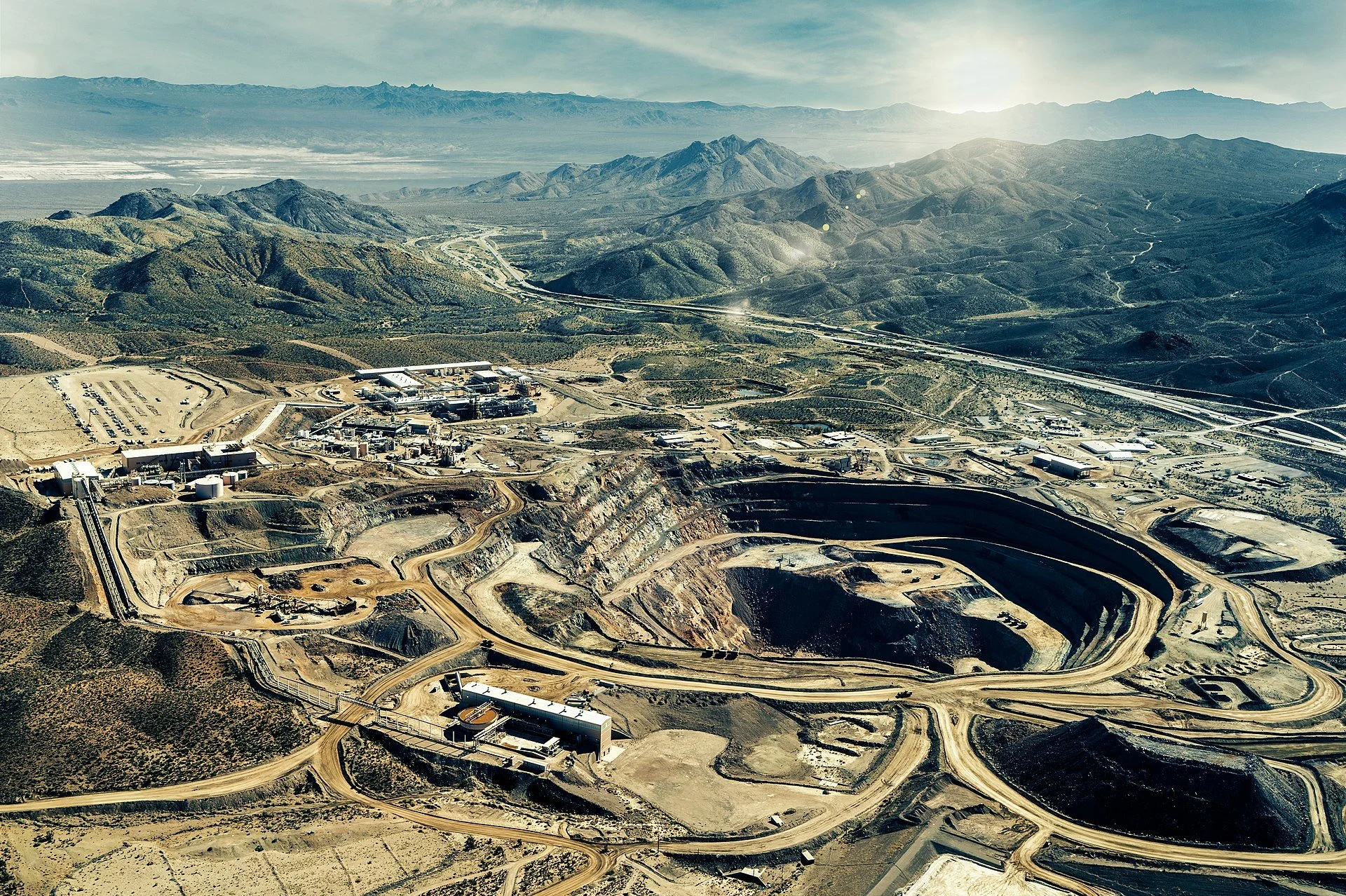
Seventeen metallic elements, coined the rare earth minerals, power your college’s washing machines and Washington’s key defense technologies. These metals are almost exclusively produced in China — giving it a fundamental leverage in the ongoing trade war.
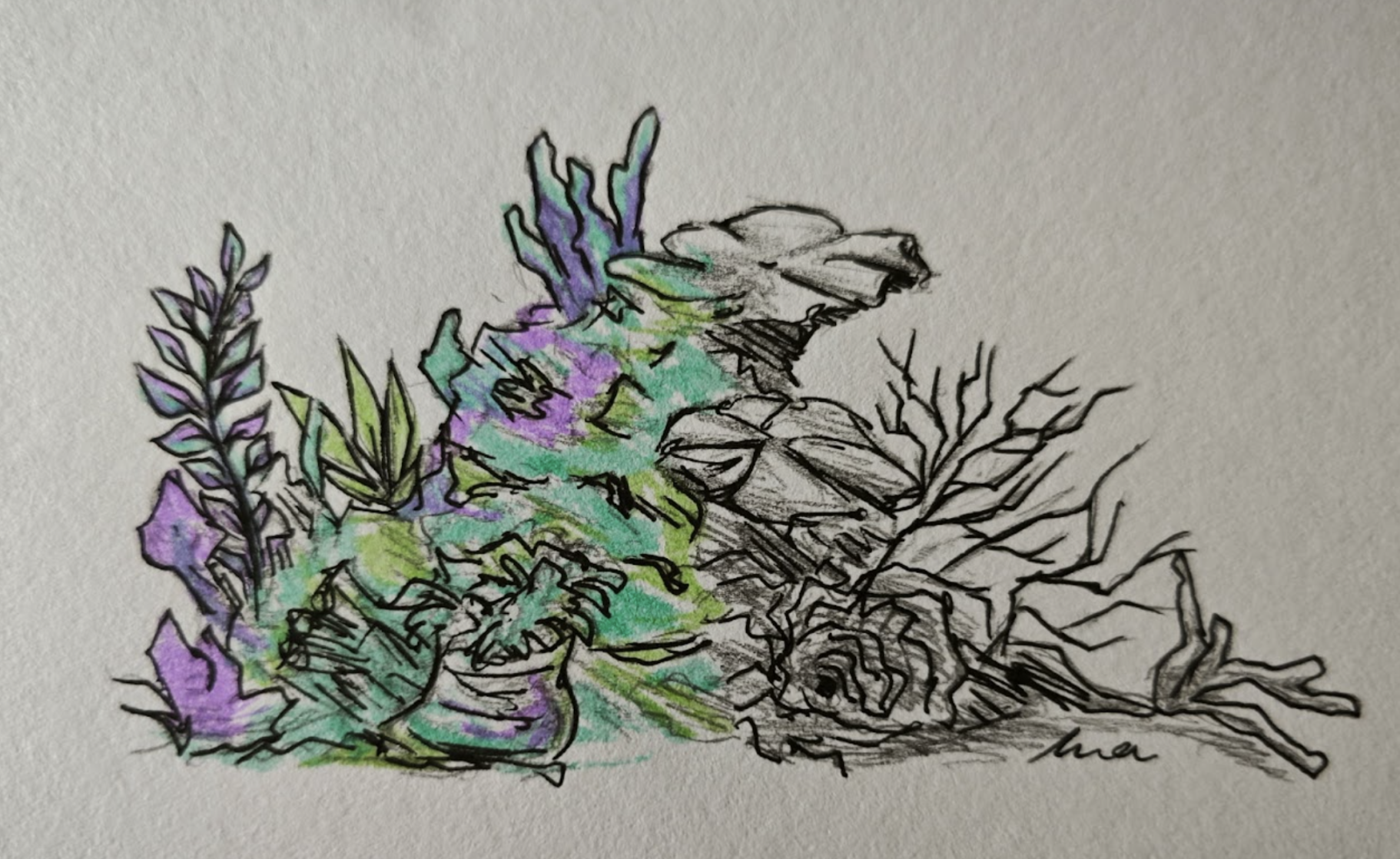
Coral reefs are among the most diverse and valuable ecosystems on the planet, referred to as the “rainforests of the sea” by the National Oceanic and Atmospheric Administration (NOAA). These underwater structures are essential to marine life, providing habitats for aquatic organisms and protecting coastlines from harsh waves and surges during extreme weather events. Yet, rising ocean temperatures, driven by climate change, are pushing reefs to their limits. Scientists are witnessing unprecedented coral loss, raising urgent questions about whether these biomes can survive the warming decades ahead.
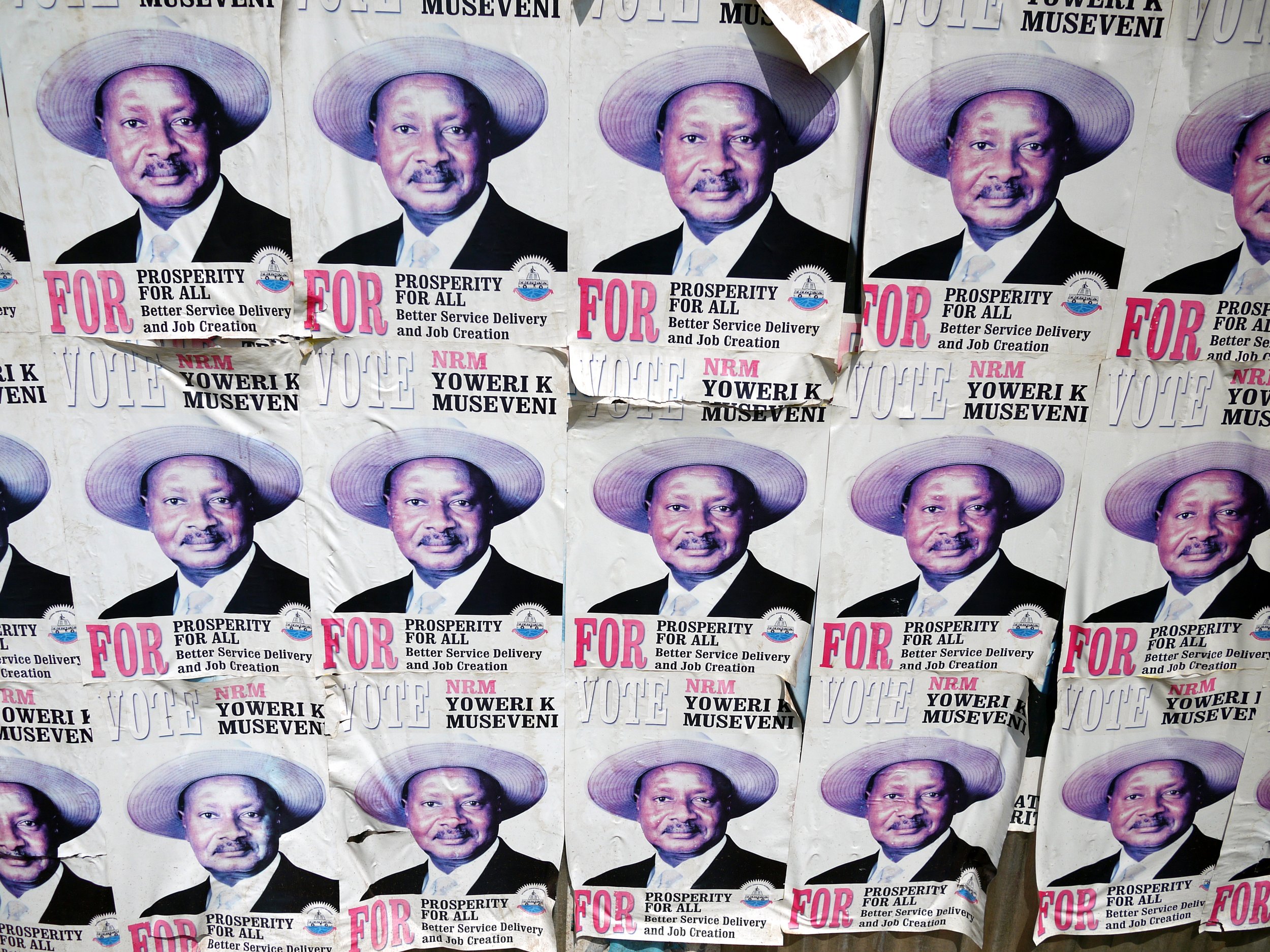
The upcoming election in Uganda will see 81 year old despot Yoweri Museveni face off against the strongest challenge to his rule in his 40 years as president. His opponent, pop star activist Bobi Wine, has cultivated strong support from a new generation of Ugandans frustrated with corruption and unemployment. However, this confrontation represents a wider trend across East Africa that has seen youth led movements take on economic injustices and democratic backsliding. With the growing use of mobile phones and social media, these campaigns have built transnational networks of support allowing them newfound strength against their respective governments. But many fear this new wave of resistance is leading to increased collaboration between governments in ramping up censorship and control over the region. With tensions running high, the result of this election will have seismic effects on the future of East Africa.
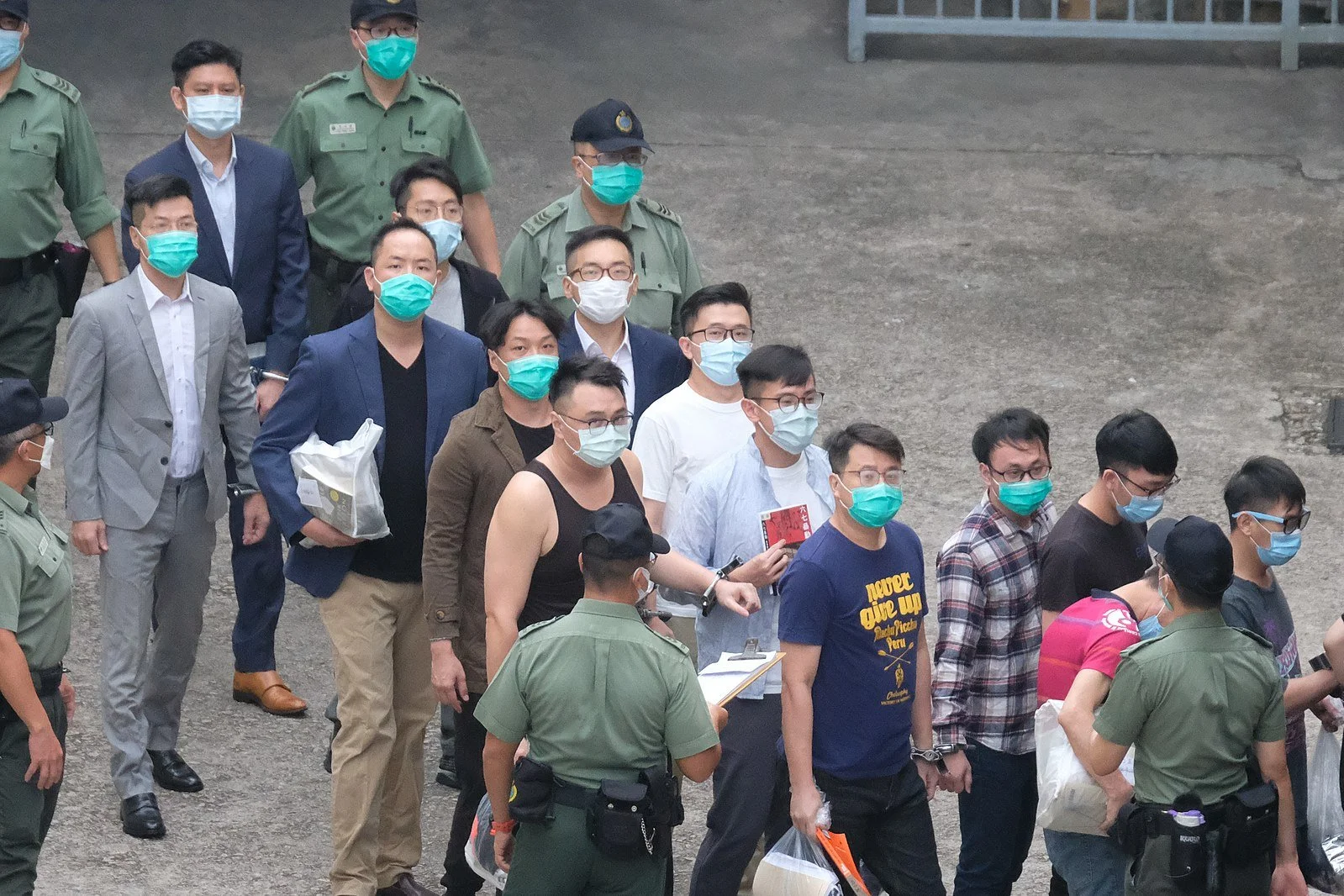
Enacted on June 30, 2020, China’s National Security Law (NSL) arrived with speed and force. Drafted behind closed doors in Beijing, the law was implemented into Annex III of Hong Kong’s Basic Law. This law sought to criminalize collusion, secession, and subversion. Five years after its implementation, Hong Kong still feels the effects of this law through its legal, political and cultural impacts. What was once a semi-autonomous political society has now been restricted tightly by Beijing. Although China has claimed that the NSL restored stability to Hong Kong, we must question whether that stability comes at the cost of addressing other issues that threaten citizens’ livelihoods.
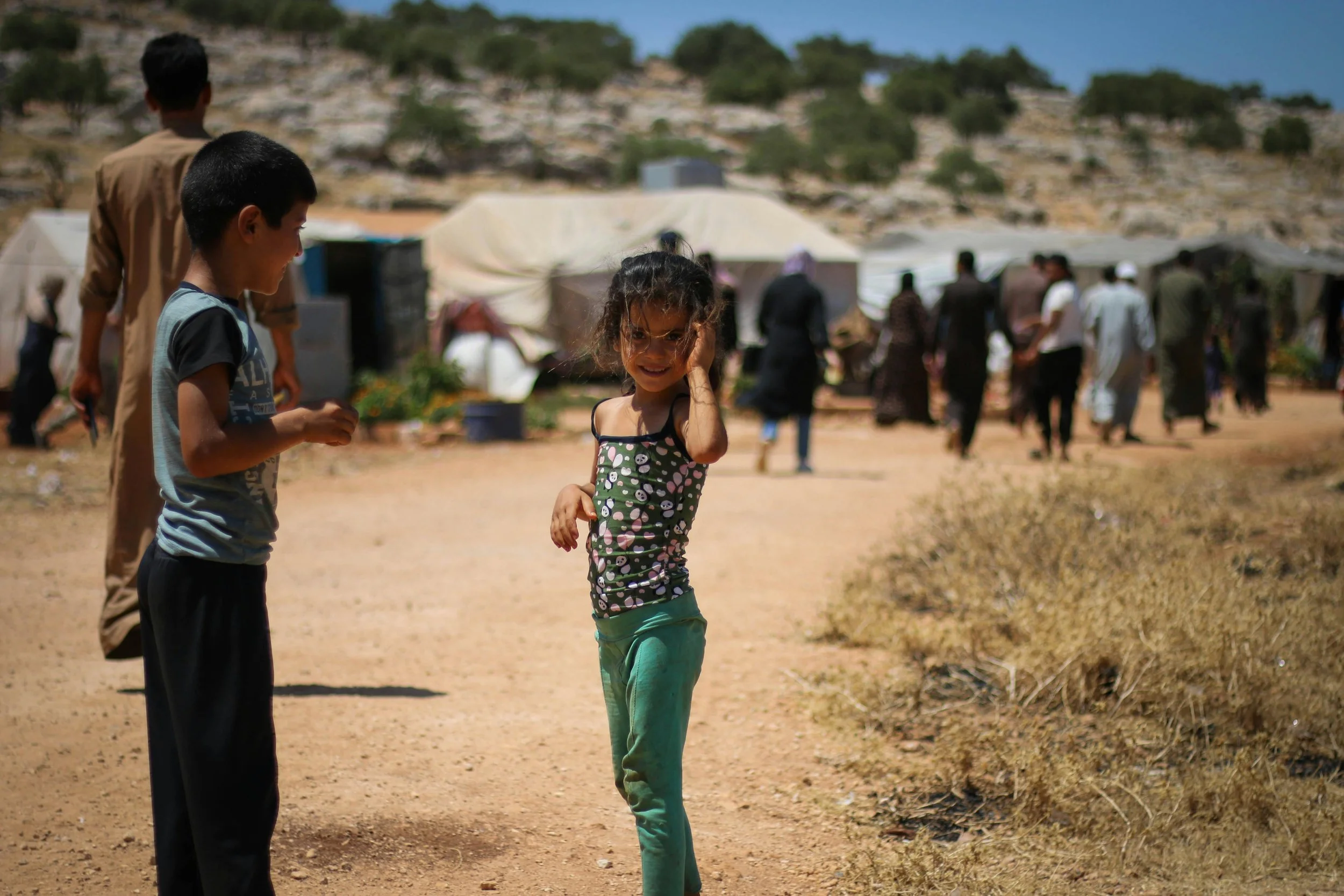
The fall of President Bashar al-Assad in December 2024 brought an end to nearly 14 years of devastating civil war and a half century of brutal totalitarian rule in Syria. In the wake of regime change, Syria is attempting to redefine its place on the world stage under the leadership of President Ahmed al-Sharaa. As founder of Hayat Tahrir al-Sham (HTS), an Islamist organization that led the rebel offensive against the Assad regime, al-Sharaa has promised the Syrian people enduring peace and stability. However, bubbling sectarian divisions, a crippled economy, and acute funding shortages may challenge al-Sharaa’s ability to deliver on his promises.

"Palestinian-American photographer Adam Rouhana wrote an opinion piece for the New York Times in which he explained his drive to create positive images to counter the media’s portrayal of the Palestinian people as violent terrorists or expendable additions to statistics. ‘By decolonizing photography,’ he explained, ‘we can decolonize our minds and achieve a more nuanced understanding of Palestinian reality.’ Rouhana’s photography project ‘Before Freedom’ exploring these ideas was recognized at the Belfast Photo Festival of 2024."

“Art must be allowed to criticize, to provoke, to push the boundaries in any society.” This was the statement declared by a panel of the U.N.’s experts on Iran in response to the death sentence placed upon Iranian rapper Toomaj Salehi. On April 24, Branch 1 of the Isfahan Revolutionary Court, led by Mohammad Reza Tavakoli, charged Salehi with “waging war against God” and “corruption on earth”, crimes punishable by death.

In January, the United Kingdom’s National Crime Agency seized 23 works from Ahmad’s collection–together worth $1.3 million. This seizure is the most recent step in investigations into Ahmad, who was charged with financing the organization Hezbollah through his art and diamond dealings. As such, governments are cracking down on the art market but this comes with repercussions for artists, art dealers, and auction houses.
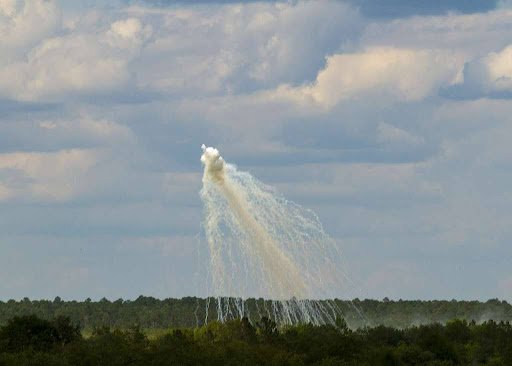
Following Hamas’ October 7th attack, Israel has engaged in an aerial bombardment of the Gaza Strip. In response, human rights organizations have criticized the civilian toll of Israel’s bombardment. One component of this humanitarian calamity is the use of white phosphorus.


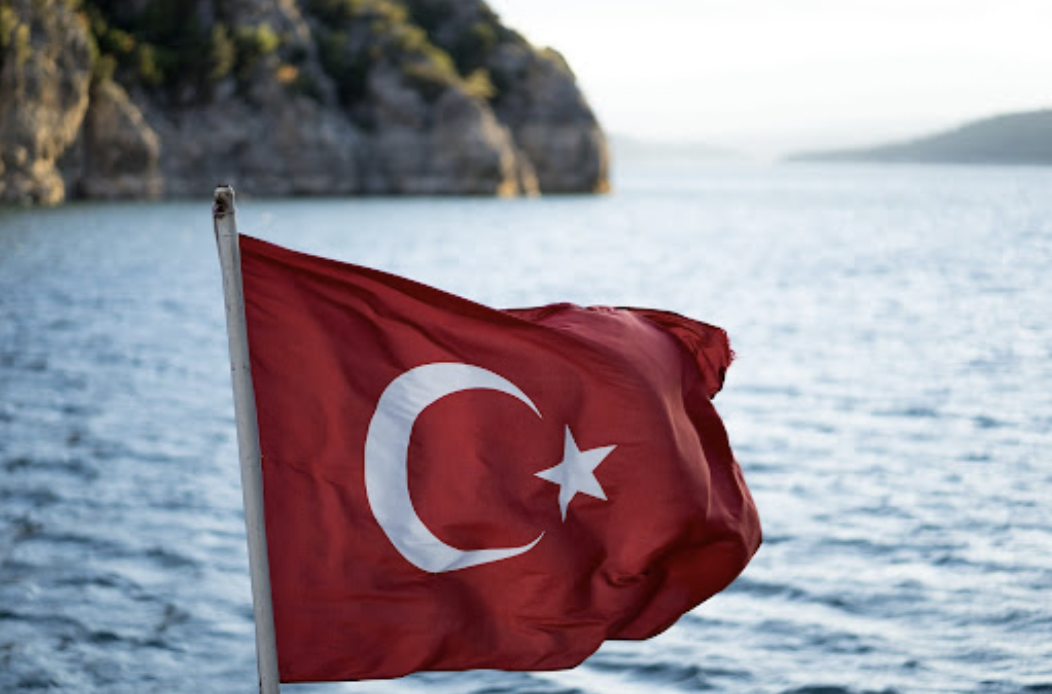
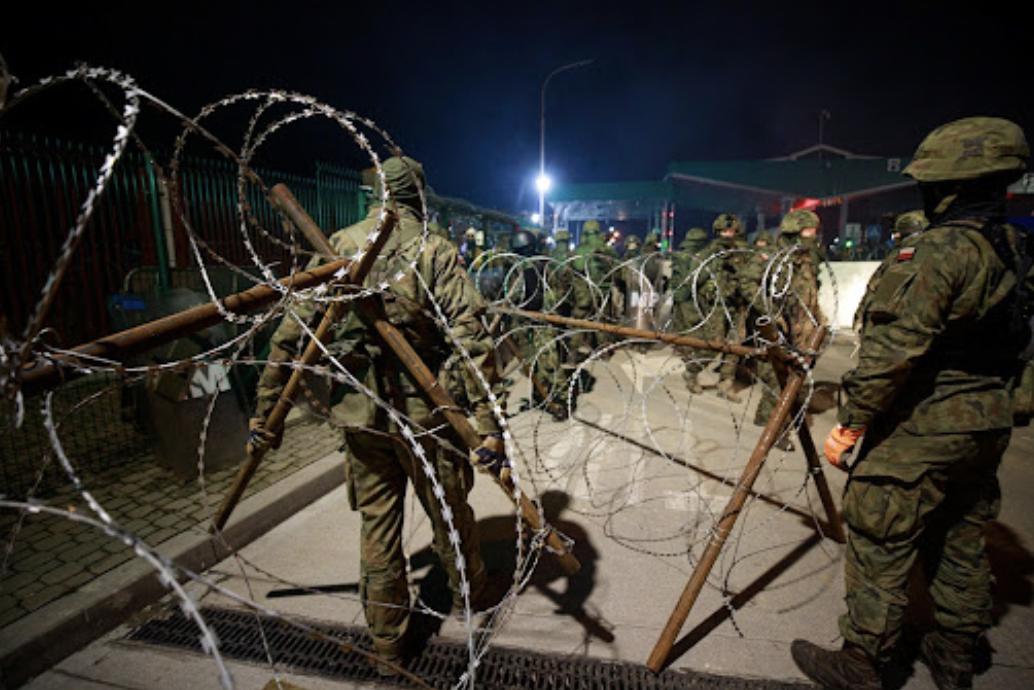
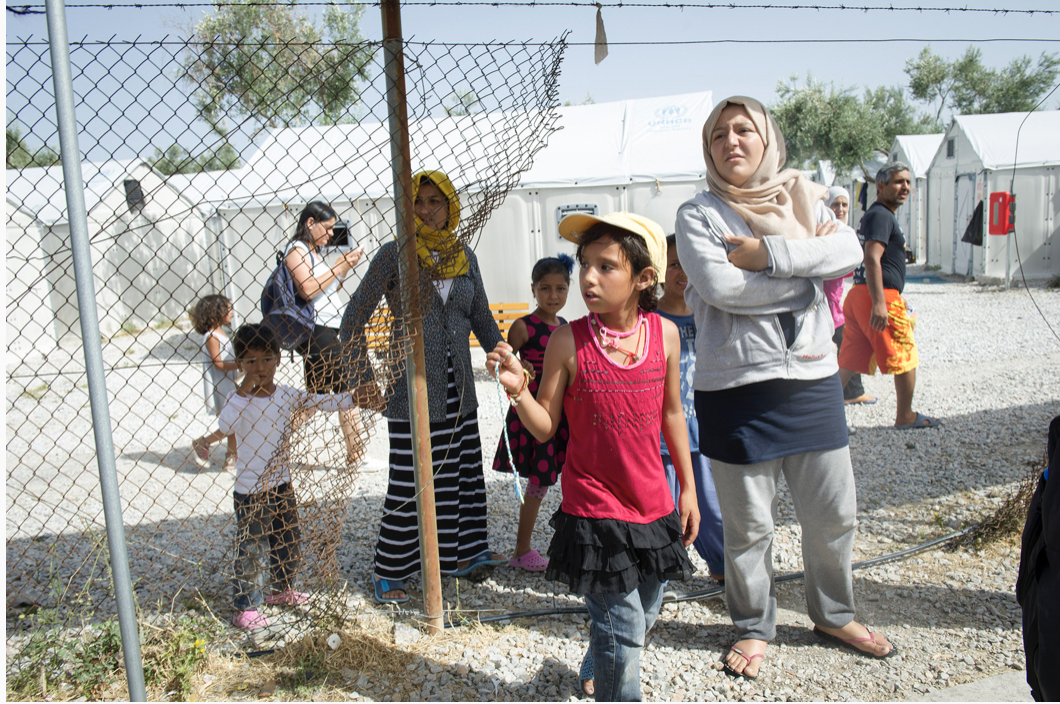
Europe has been dealing with a refugee crisis for five to six years now, yet only one country has borne the brunt of it: Greece. The country's response: funding a floating barrier to deter migrants. By Raafiya Ali Khan
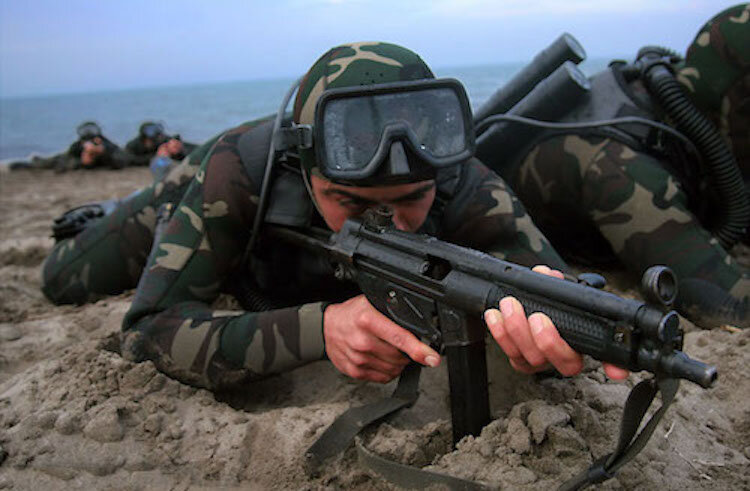
Staff Writer Ethan Azad discusses the newly implemented decision to designate Iran's IRGC as a terrorist organization and the issues bound to ensue.

Staff writer Kahlil Ram explores the current status of ISIS and the significance of U.S. withdrawal from Syria.
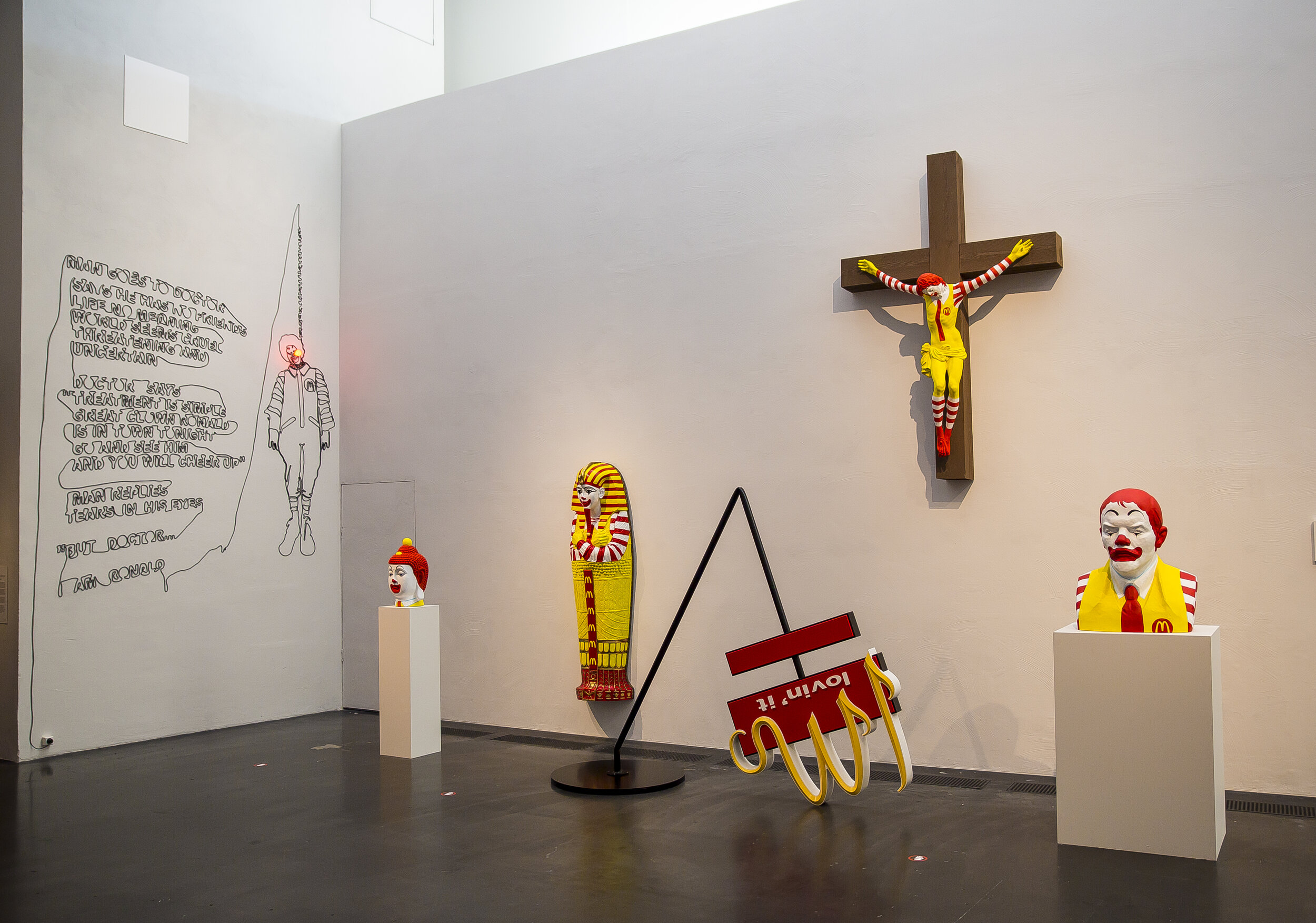
Staff writer Hector Guzman explores the controversy around Finnish artist Jani Leinonen's recently exhibited art piece "McJesus," its commentary on faith and implications on artistic censorship.

Staff Writer Ethan Azad describes the CIA's first coup in Iran and the effects of media propaganda.
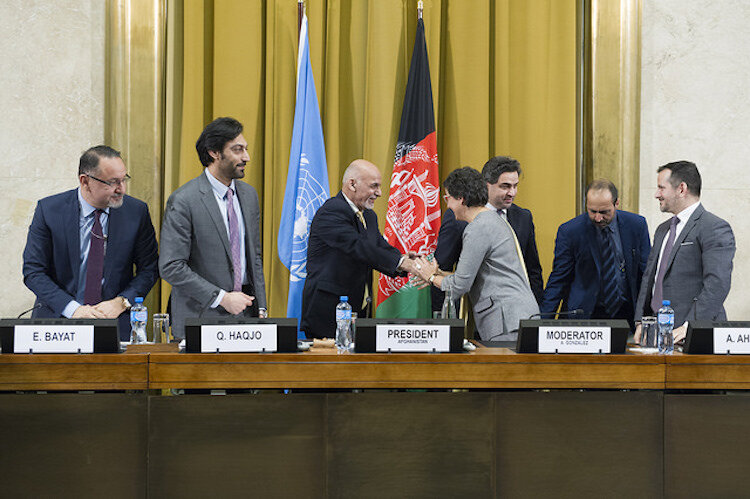
Staff Writer Alex Bittner discusses the ongoing war in Afghanistan, Taliban control and the hopes and complications surrounding current negotiations for peace.
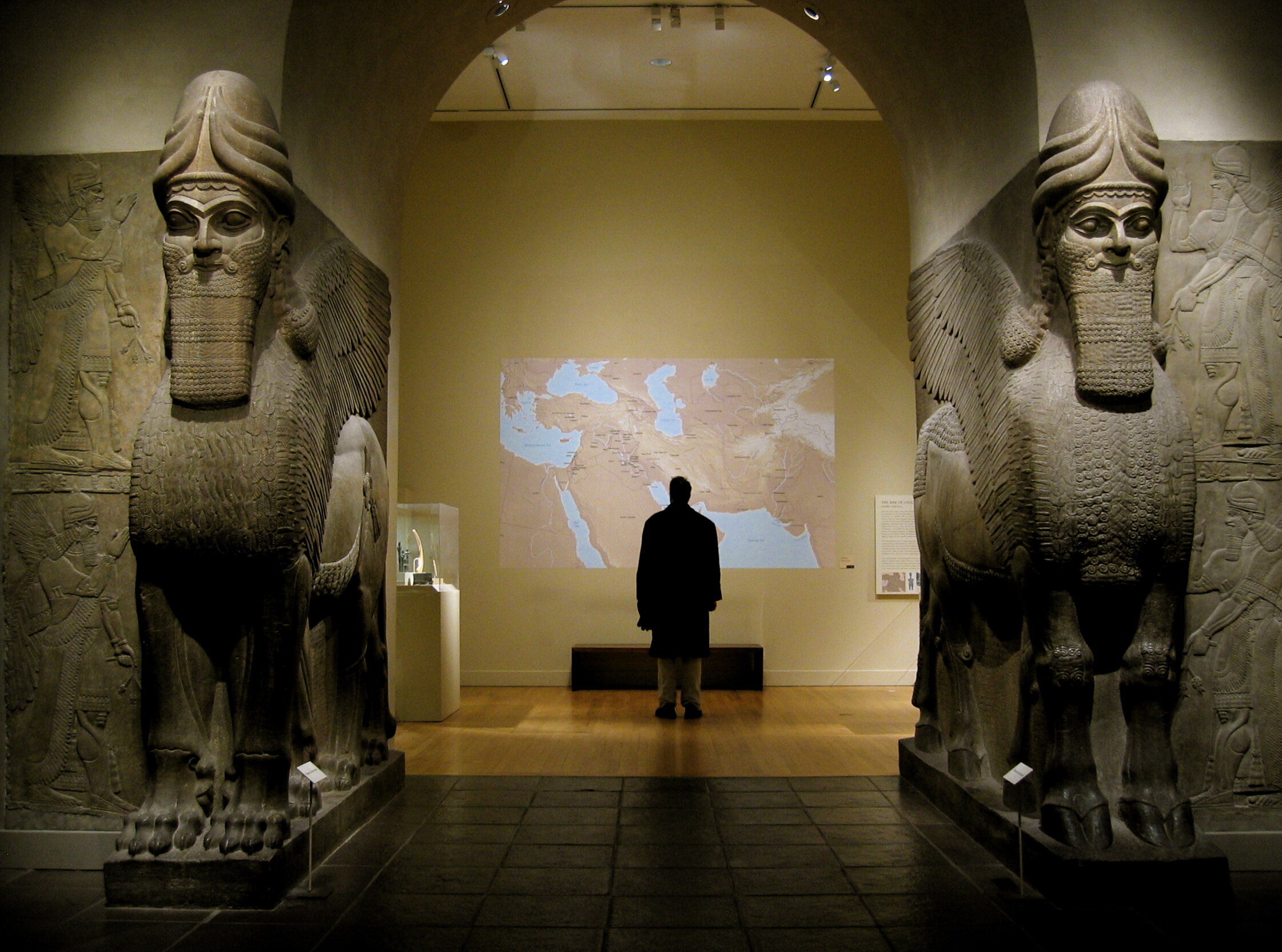
Staff Writer Hector Guzman looks into the motivations and repercussions of the destruction of art by and cultural artifacts in the Middle East.
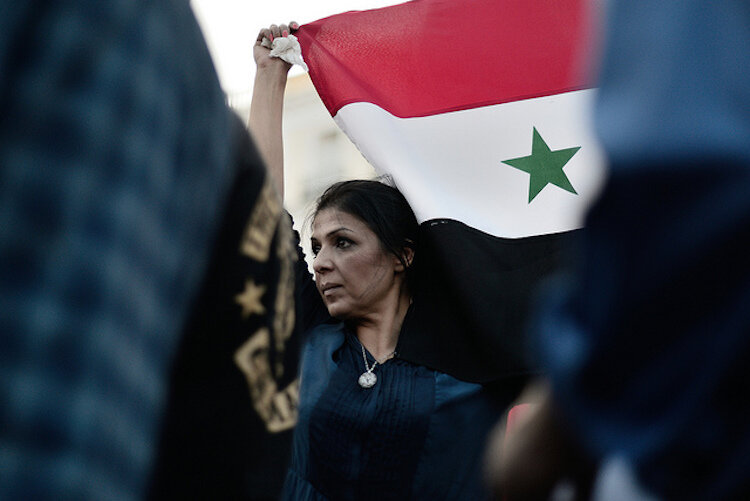
Staff Writer Kahlil Ram reflects on America's response to the Syrian Civil War, arguing that a policy of light U.S. involvement was not only justified but necessary due to the complicated regional dynamics at play.
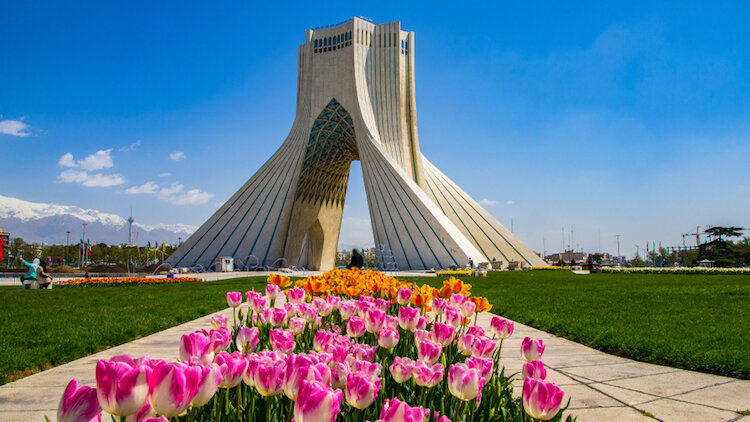
Anticipating scheduled Iran sanction reinforcements on November 5th of 2018, staff writer Ethan Azad analyzes the repercussions of strong U.S. sanctions on Iran on international relations and the Iranian people.
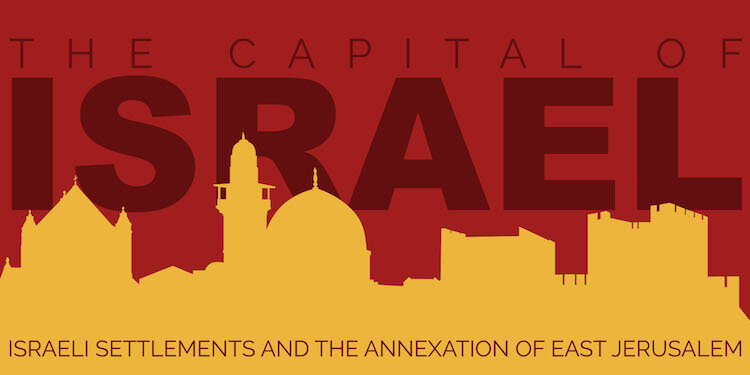
Staff Writer Sneha Naren reports on the discussion over Israeli settlements and annexation of Jerusalem at I-House's Global Forum
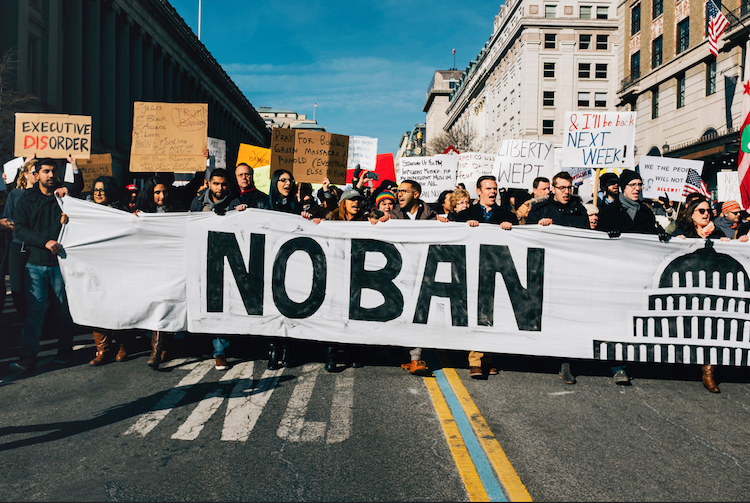
Staff Writer Sneha Naren reviews the I-House Global Forum event on Oct. 26.

Contributing Writer Rinad Taha proposes solutions to deconstruct Saudi Arabia's male guardianship system.

Staff Writer Sneha Naren explores the cultural richness of Middle Eastern countries targeted by Trump's travel ban.
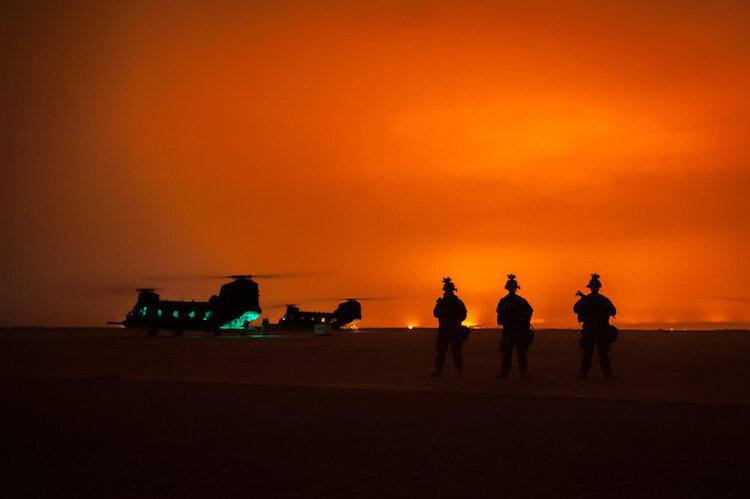
Staff Writer Bailey Marsheck discusses the complicated situation in Mosul as it moves toward resolution.

UCSD Student Aisha Subhan explains in an op-ed why UCSD should help Syrian refugees.
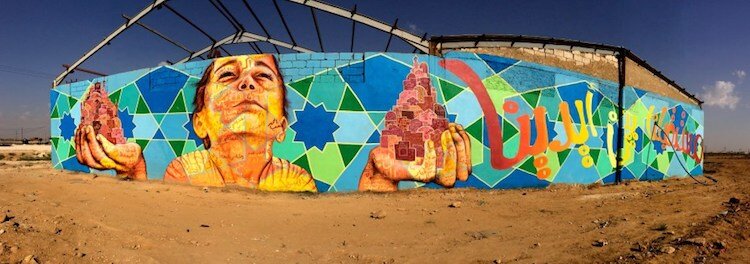
Staff Writer Veronika Michels takes a glance at the art projects breathing humanity back into Syrian refugee camps
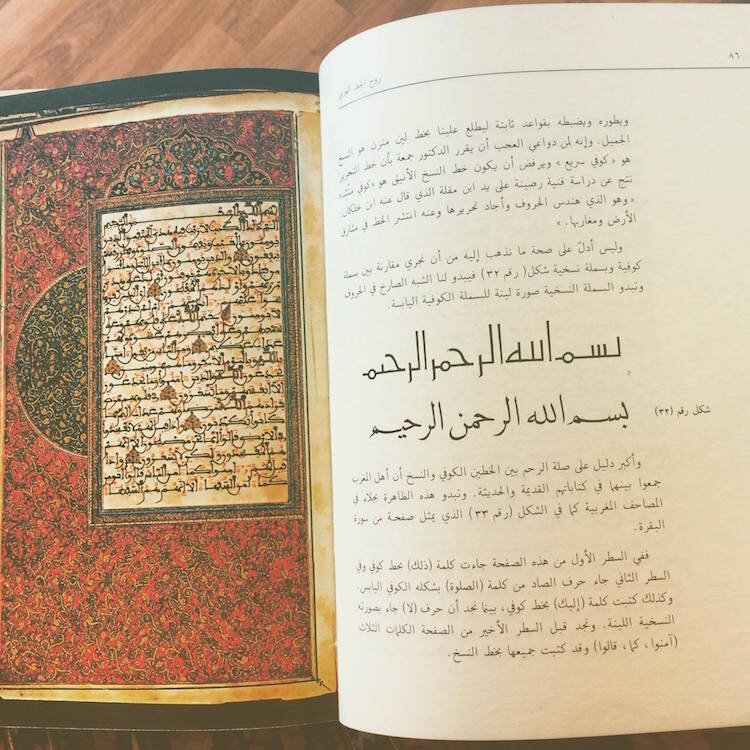
UCSD Student Aisha Subhan discusses the implications of Trump's Muslim ban on a personal level in this essay originally published in The Huffington Post.
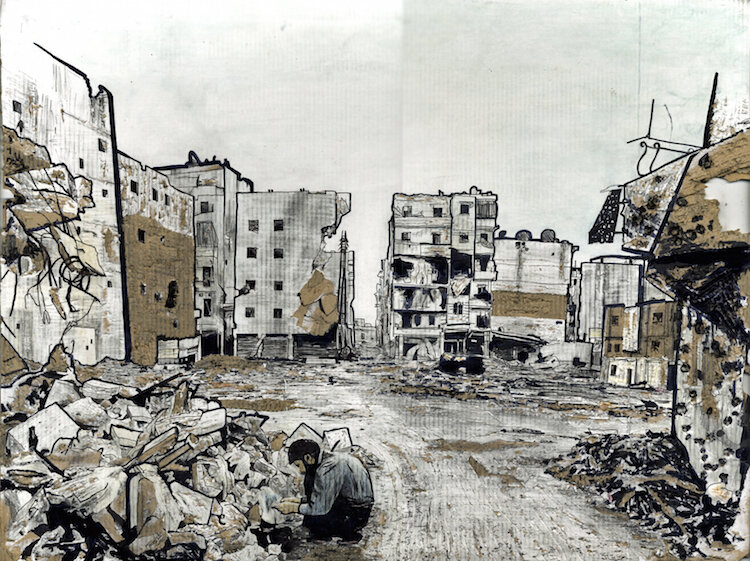
Staff Writer Henry Cauffman discusses the situation in Aleppo and the US Presidential candidates' policy standpoints on the conflict in Syria
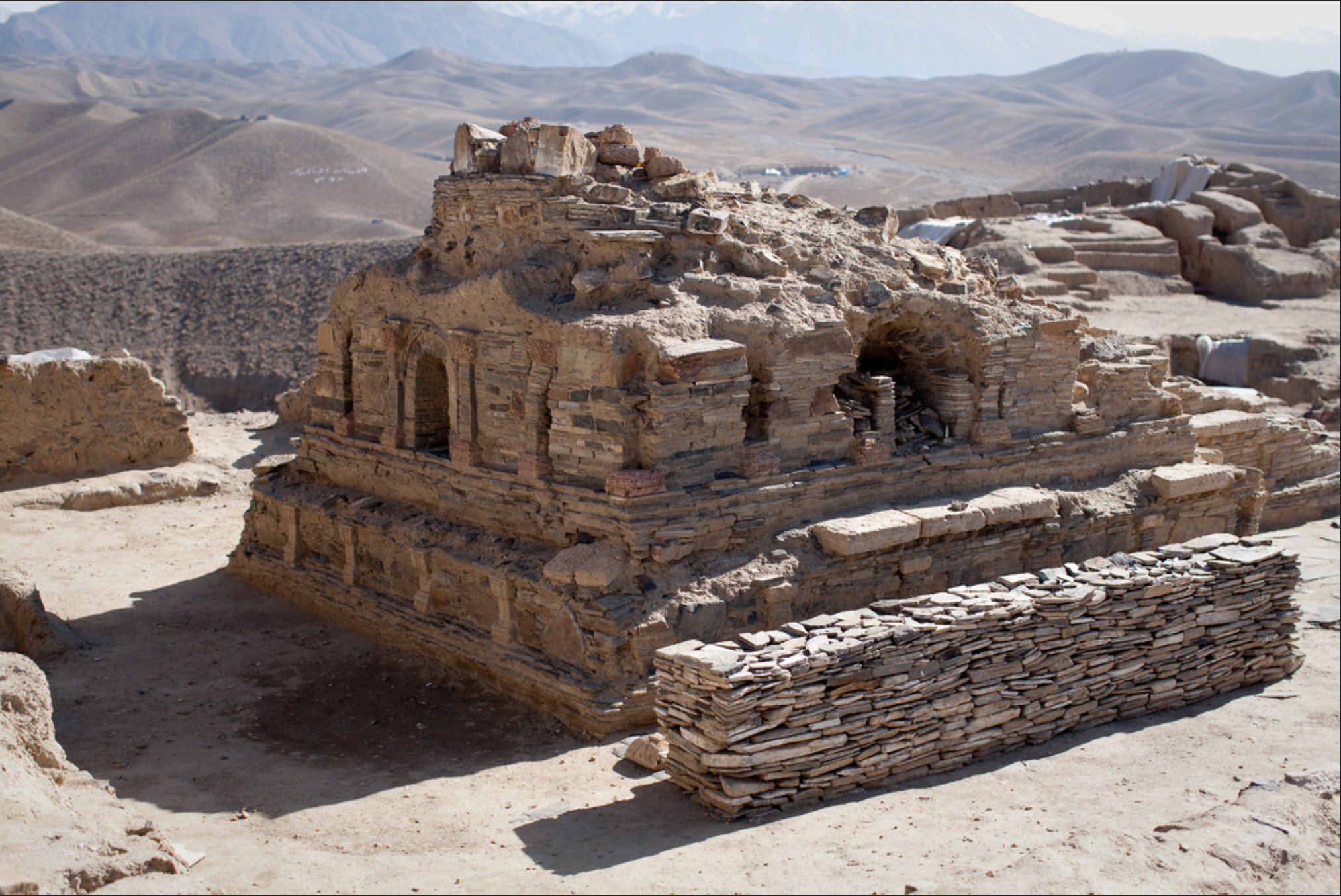
Editor in Chief Omkar Mahajan describes the ongoing situation pertaining to the Buddhist architecture of Mes Aynak and it's possible demolition by a Chinese Mining Company.

Editor-in-Chief Omkar Mahajan discusses the recent death of Burhan Muzaffar Wani and the impact this will have on Kashmir while also exploring Kashmir's recent history.
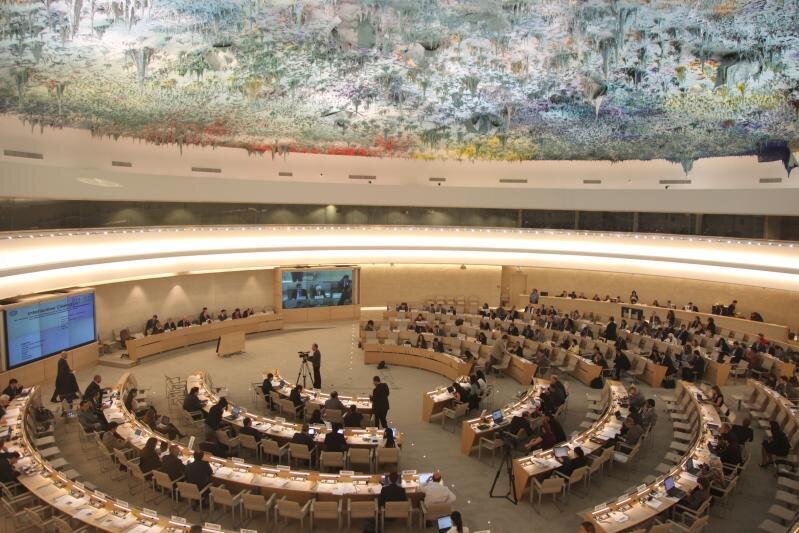
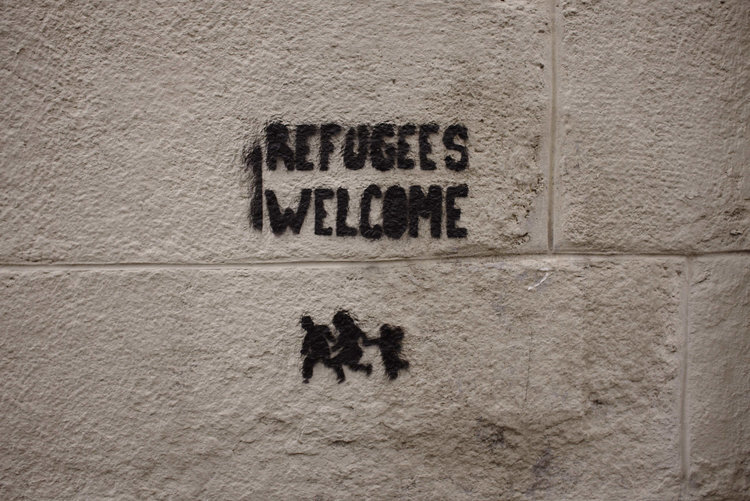
Staff Writer Becca Chong takes a look at how technology and mobile apps are helping the Syrian Refugee Crisis

Chess remains a force for unity: It’s a fun, intellectual game that is unfortunately ever exploitable for soft power. Hopelessly mixed up in international politics, chess is facing the dilemma posed to several other sports organizations– an existential fight for neutrality. Can FIDE break from decades of Russian influence and promote chess for its own sake, and not itself be a pawn in the political games world powers play?