The Paradox of Success: Multinational Corporations in China
The depiction of the Chinese flag with Apple’s logo and characteristics illustrates the interconnectedness of the two, while also symbolizing the importance of China for multinational corporations.
Photo Credit: TechCrunch
For decades, China has been viewed as a golden egg for multinational corporations: a vast consumer market, a strong manufacturing base and the important promise of long-term growth. Major companies, such as Apple and Tesla, provide a clear case study into this dynamic. Having built its supply chain in China during its infancy, Apple has scaled production at a speed unmatched elsewhere. However, it also has become extremely dependent on the very country and systems that enabled its success.
Today, that relationship could be in danger. Companies must now ask themselves whether or not they can succeed in China, but also what costs come with said success. As political tensions between the United States (U.S.) and China rise, regulations tighten and domestic competition grows stronger. Multinational corporations must face a complex reality: is “winning” in China worth the trade-offs that extend far beyond just profit?
Why Do Companies Enter China?
Despite increasing uncertainty, China remains an attractive market for global business. More than 80% of multinational executives cite China’s massive consumer market as a primary driver of investment, along with its continued economic growth and brand recognition potential.
For companies like Apple and Tesla, China’s appeal has never just been about cost. China offers something far more valuable: scale. China’s industrial networks, infrastructure and labor force enable rapid production and manufacturing. Tesla’s experience in the region reinforces this dynamic. When the company entered China, they received various boons; China offered cheap parts for manufacturing and an abundance of skilled workers. Furthermore, Tesla obtained permission to build a flagship factory, which ended up accounting for over half of the company’s global sales and profits. These benefits helped Tesla grow into one of China’s premier electric vehicle companies.
Simultaneously, firms are increasingly adopting “de-risking” strategies in an attempt to balance business opportunity with political and regulatory uncertainty rather than fully withdrawing from the area.
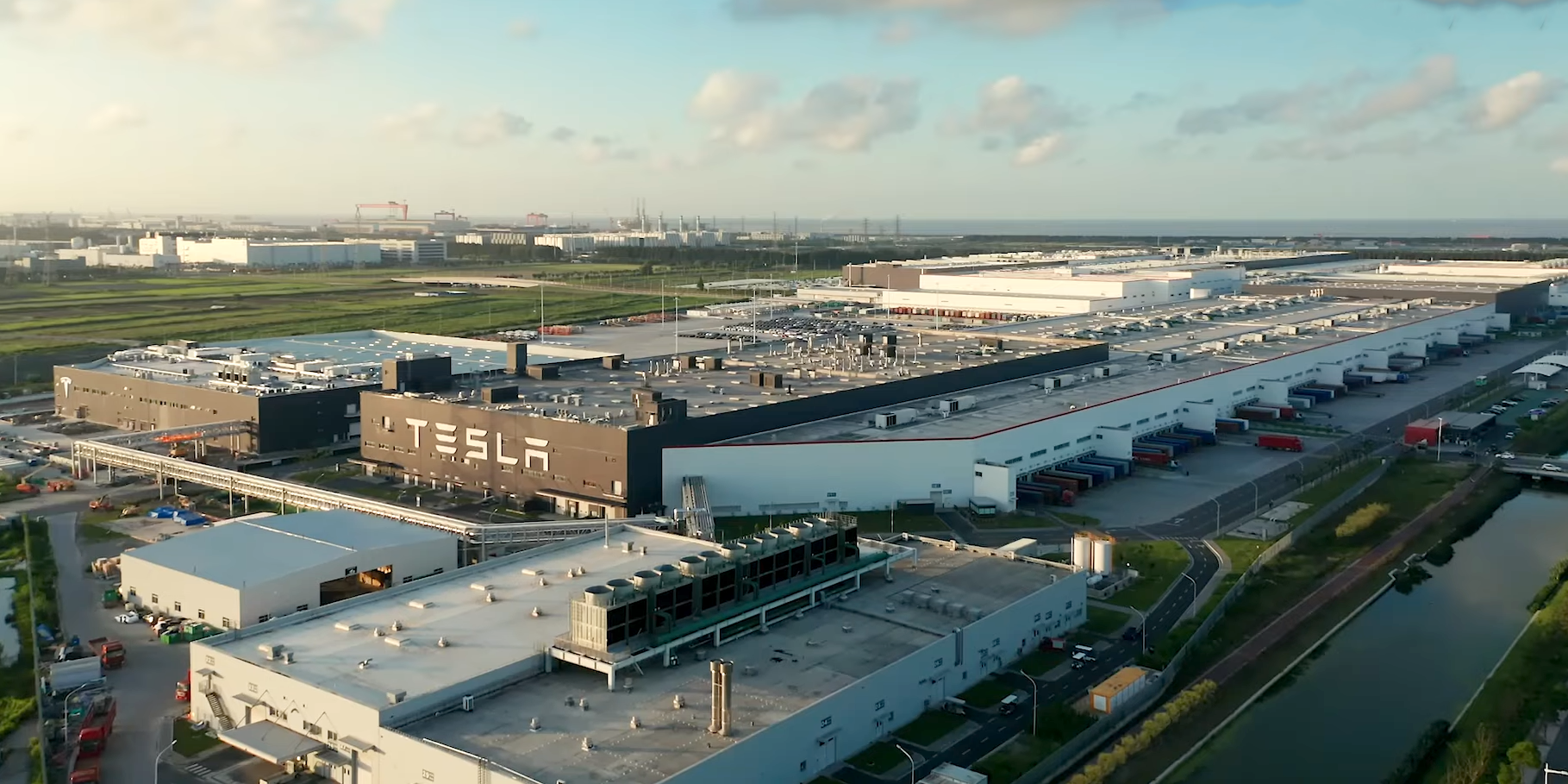
Tesla’s Shanghai Gigafactory operates at a level unlike its other plants, boasting an area of 214 acres and the capacity to produce over 750,000 vehicles per year. In comparison, Tesla’s largest plant in the U.S., not including its headquarters, is only around 126 acres.
Photo Credit: China News Service
The Hidden Costs of Staying in China
Although many multinational corporations remain profitable, a 2025 survey by the EU Chamber of Commerce found that 73% of firms report that conducting business in China has become more challenging. They cite increasing regulatory pressure and a more politicized business environment. Frequent and unclear policy changes from Beijing also make it difficult for different sectors to predict future operating environments, thus leading to more operational risk. In the case of the medical industry, informal “buy China” guidelines, stricter compliance regulations and negative EU-China relations have all contributed to increasing reports of business difficulties.
American firms report similar concerns. The American Chamber of Commerce in China expressed hopes that current challenges with U.S.-China relations could be resolved, further highlighting politics’ impact on business. No longer is success determined solely by market performance. It increasingly depends on a company’s ability to navigate a political system shaped by state priorities.
Tesla is a key example. While the company has achieved significant growth in China, it has also become closely tied to the country’s regulatory and political environment, to the extent that leaving the nation would almost certainly be a death sentence for the company. Tesla saves too much money on labor and parts in their Shanghai factory; relocating would certainly put them at a disadvantage in the price war they’ve found themselves in with competitors.
Furthermore, Elon Musk, the company's CEO, has frequently promoted Beijing’s geopolitical talking points, demonstrating the potential leverage Beijing has over businesses. Tesla’s success demonstrates that multinational corporations can still thrive, but often on terms that aren’t entirely their own.
Mounting Woes: Self-Inflicted Competition
Apple’s experience provides a clear example of how multinational corporations are unintentionally harming themselves by emphasizing China-based production. In building its manufacturing base, Apple worked closely with Chinese suppliers, invested in local labor training and helped develop China’s industrial workforce. Over time, this contributed to the rise of a “red supply chain,” a network of Chinese firms capable of producing valuable components and technologies that can compete with Apple.
The increase in prominence of the red supply chain has clear impacts across many industries. Sixty percent of European firms express a pessimistic outlook about competing with the Chinese companies that have rapidly improved in both quality and innovation. At the same time, multinational corporations are being pushed to adopt “localization” strategies, giving greater autonomy to their China operations in order to compete with domestic competitors. The result is paradoxical, as companies must adapt to remain competitive, but in doing so they strengthen the very competitors they face.
Finally, external pressures have accelerated competition. Trade restrictions and sanctions have unintentionally spurred China’s domestic innovation, encouraging firms to develop their own alternatives. The presence of multinational corporations and the policies directed at them have contributed to China’s technological rise.
Can Companies Operate Without Compromising Values?
Besides increasing domestic competition, multinational corporations must also navigate ethical and legal challenges. China’s regulatory environment has evolved, particularly in areas related to national security and data governance. The country’s revised anti-espionage law has introduced broad definitions of what constitutes sensitive information, increasing the likelihood that regular business activities could be subject to legal scrutiny. For example, cross-border collaborative projects involving foreign and Chinese enterprises could be considered espionage activity if such collaboration is deemed to be related to Beijing’s national security interests.
At the same time, global compliance pressures are increasing. The U.S. adopted the Uyghur Forced Labor Prevention Act, which requires companies to ensure that their supply chains are free from forced labor. This was due to concerns regarding state-sponsored forced labor in China’s Xinjiang region. Various reports had cited human rights violations such as internment camps and reeducation programs involving various ethnic minorities. Similarly, reports on Apple’s supply chain, including conditions at major manufacturing sites like Foxconn, highlight the difficulty of balancing business with ethical and legal responsibility.
These challenges further extend into the digital realm, as companies must now navigate regulatory frameworks that govern data. They also often face competing demands from Chinese authorities and their home governments. In this environment, compliance is not always optional. As companies seek to maintain market access to China, voluntary cooperation is sometimes a nicer way of saying “mandatory.”
Do Multinationals Help or Harm National Security?
The role of multinational corporations in China has raised broader geopolitical questions. Deep embedment in China’s economy may strengthen geopolitical competitors who are more willing to comply with China’s demands. Apple’s reliance on Chinese manufacturing is the most prominent example of how a concentrated supply chain is detrimental in times of political tension.
Further worries include pressures from Beijing on multinational corporations, such as the extent to which they’re required to share sensitive information with the government. In the case of Elon Musk, SpaceX contains various sensitive U.S. Department of Defense contracts and controls much of the world’s satellite infrastructure. Therefore, when Musk takes China’s side in geopolitical disputes, many question whether this poses a national security concern for the U.S.
However, economic interdependence can also serve as a stabilizing force between nations. Trade between the U.S. and China remains extensive, reaching hundreds of billions of dollars annually, and policymakers argue that these ties reduce the likelihood of conflict.
Ultimately, the reality is likely somewhere in between. Multinational corporations are no longer just economic entities; they increasingly find themselves acting as pseudo-state actors, becoming entangled in geopolitical dynamics that shape global stability.
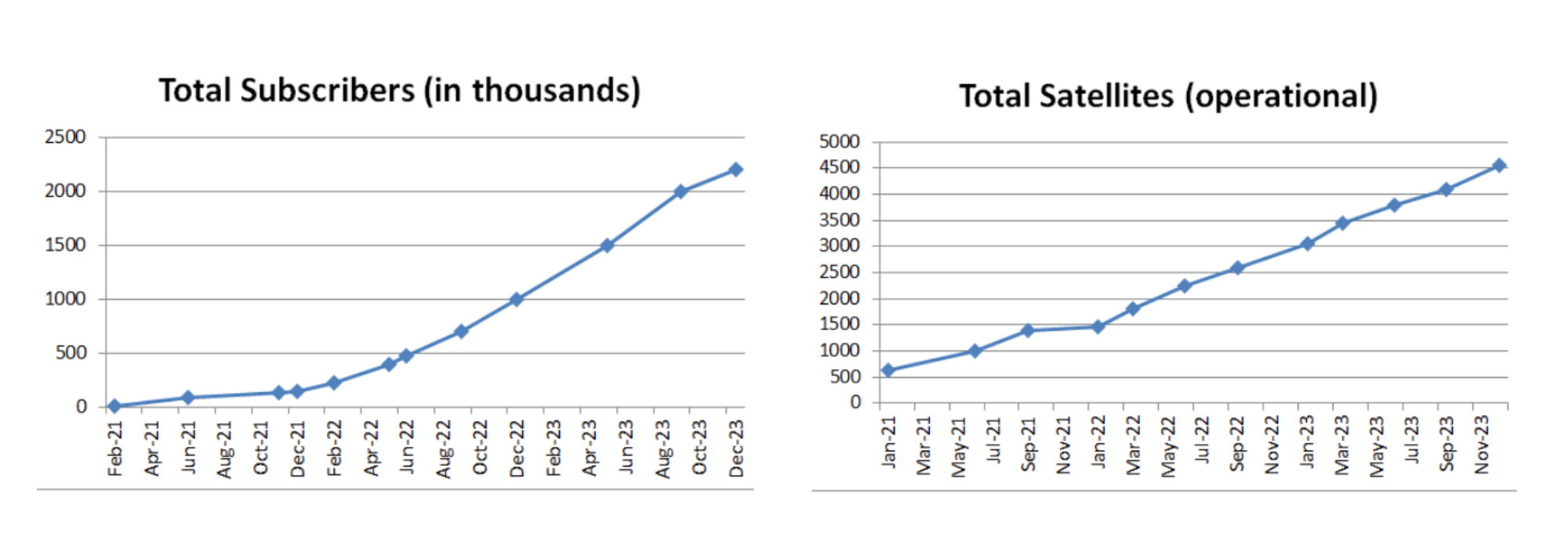


These two graphs illustrate the increasing usage of Elon Musk’s Starlink satellite services, measured in total subscribers in thousands. Furthermore, there is an increasing trend of reliance on satellites by governments, emergency services and international aid organizations in environments where stakes are high.
Photo Credit: Starwars54321

The Answer: Can Multinational Corporations “Win?”
The answer depends on how one defines “winning.” For some companies, China remains a source of growth, innovation and opportunity. Yet that success often comes with trade-offs: increased dependence, intensified competition and the need to navigate complex political, legal and ethical challenges.
Recent trends suggest that many firms are already redefining their strategies. Rather than pursuing unlimited expansion, they are focusing on managing risk, diversifying supply chains, adapting to regulatory shifts and reassessing their long-term commitments.
For multinational corporations, the question is no longer simply whether China is a place to succeed. It is whether success there can be sustained, and more importantly, on whose terms.