From Avocados to Extortion: How Mexican Cartels Are Taking Over The Agricultural Industry
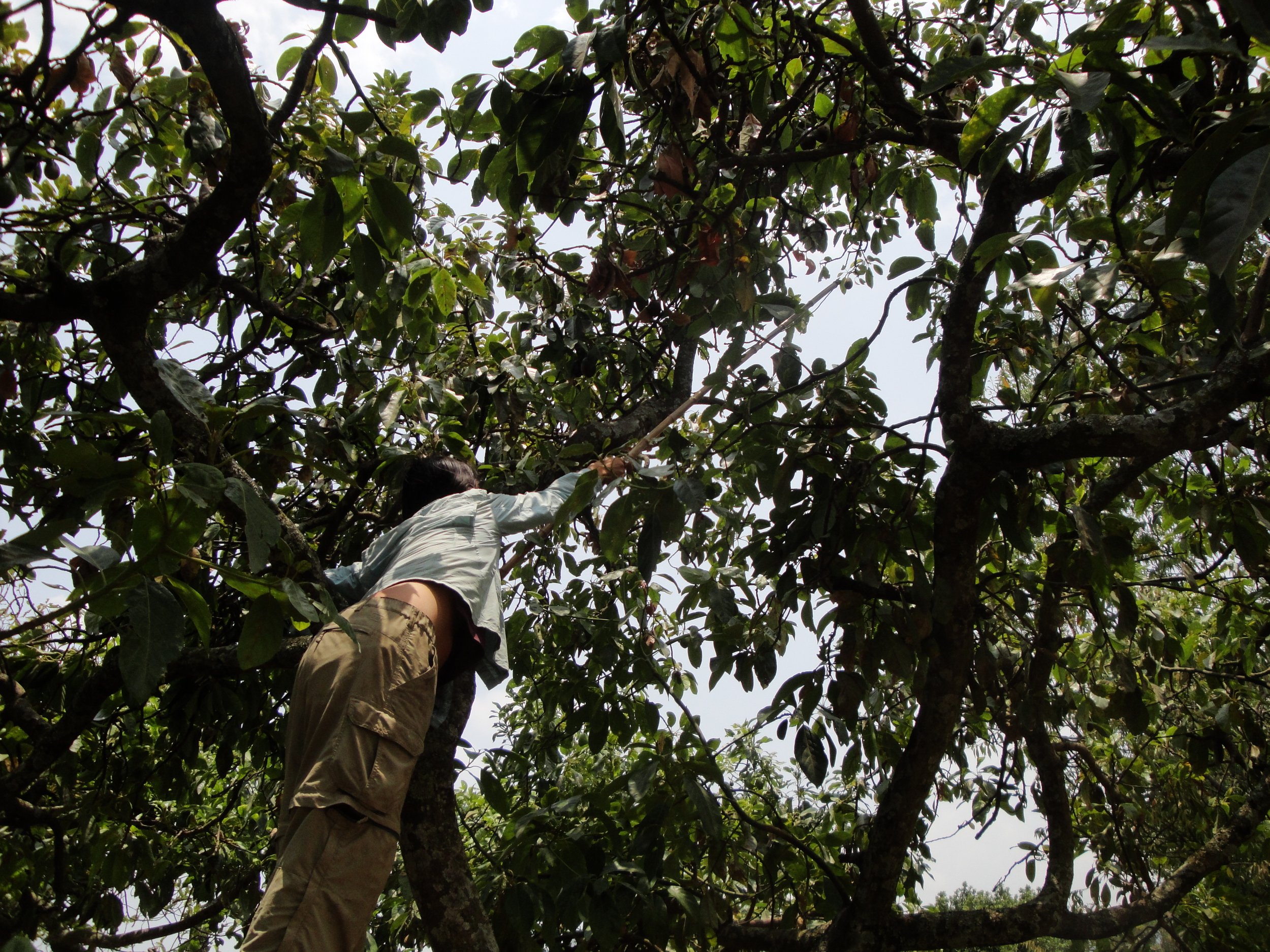
A Mexican farmer working in an avocado field. Farmers are easy targets of extortion by organized crime groups.
Photo Credit: Snordq
Mexico is the world’s leading producer of avocados, with the industry valued at approximately $3.1 billion. The majority of Mexican avocados are exported to the United States (U.S.), but international demand has grown in recent years, with Canada and Japan emerging as the next largest importers. As the avocado business continues to expand, it has only piqued the interest of organized crime groups, intertwinning corruption and agriculture through certain parts of Mexico.
Michoacán, a western state in Mexico, is the country’s largest regional avocado producer, harvesting roughly5.5 billion pounds a year, and earning the title “the avocado capital of the world.” The avocado industry generates around $2.5 billion annually, making the regional economy heavily dependent on this sector.
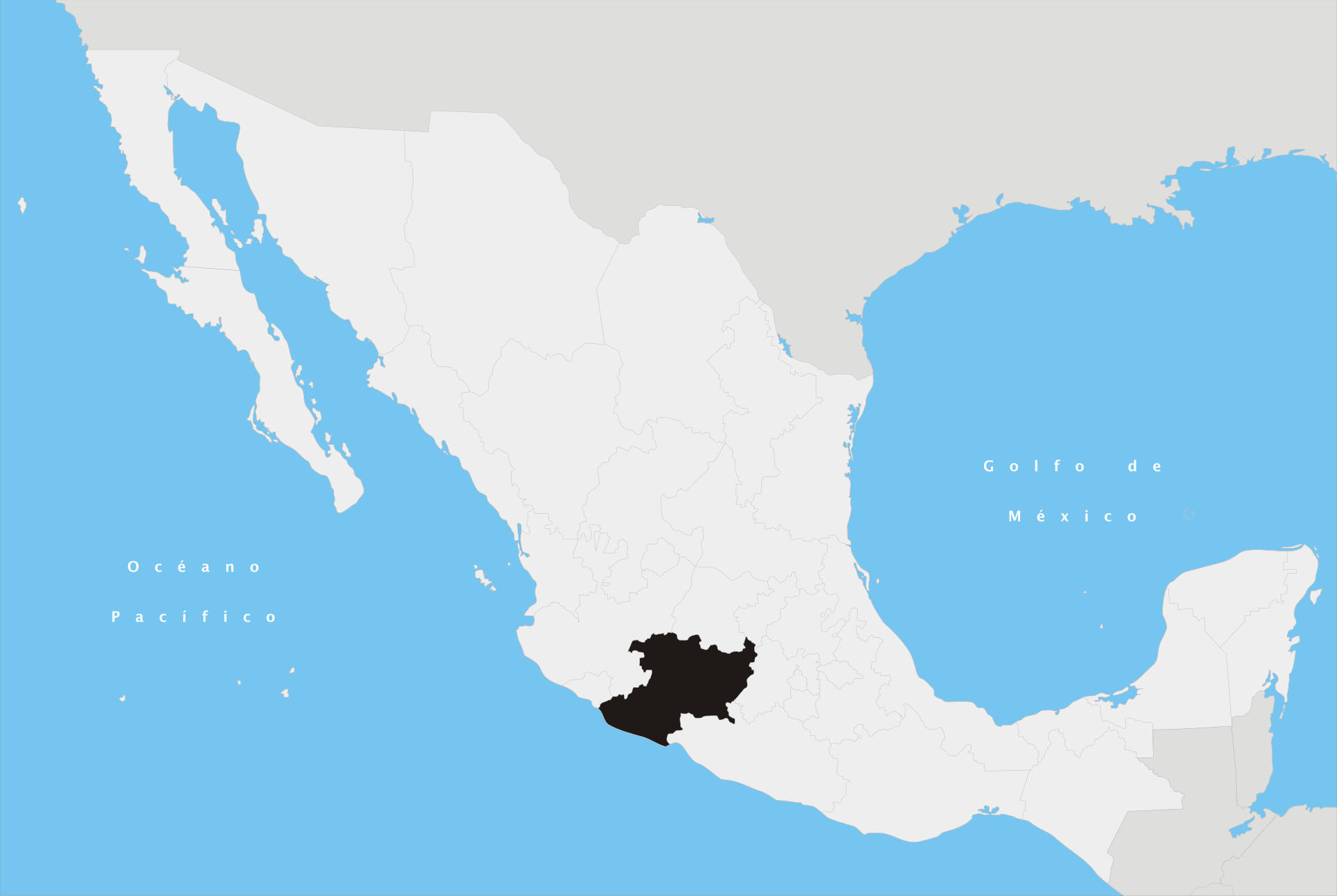
The state of Michoacan, located in western Mexico, stretches along part of the Pacific Ocean.
Photo Credit: Yavidaxiu
Thanks to Michoacán’s climate and altitude, avocados can grow year-round, sustaining a permanent industry and labor market. While other agricultural products thrive in the region (such as limes, citrus fruits and berries), avocados alone create an estimated 78,000 direct jobs and 310,000 indirect and seasonal jobs across Mexico.
International demand has fueled a massive agricultural boom in Mexico, making the industry increasingly attractive to organized crime groups. Although violence and corruption are not new to the country, cartel organizations have expanded their influence and embedded themselves in everyday life. Known for drug trafficking, money laundering, human trafficking and kidnapping, these groups typically rely on extortion as a source of revenue. Cartels often force businesses to pay “protection money” to avoid punishment from the very same groups, creating widespread fear among citizens and prompting compliance with demands. In recent years, they have turned their attention to the rapidly growing avocado industry, transforming Michoacán into a battleground for cartel control.
U.S. Response to Mexican Crime
In February 2025, the U.S. Department of State designated multiple Mexican cartels — including the Cártel de Sinaloa, Cártel de Jalisco Nueva Generación (CJNG), La Nueva Familia Michoacana (LNFM) and Cárteles Unidos (CU) — as Foreign Terrorist Organizations and Specially Designated Global Terrorists. These designations isolate entities by “denying them access to the U.S. financial system and the resources they need to carry out attacks.” Designations also trigger legal repercussions like freezing assets and transactions, allowing the government to seize control of all the groups’ properties within the U.S. This endeavor is part of an ongoing effort to address cartel violence on the transnational scale.
On August 14, the U.S. Department of the Treasury’s Office of Foreign Assets Control (OFAC) sanctioned CU and Los Viagras, another notorious Mexican cartel for their involvement in terrorism, drug trafficking and extortion within Mexico’s agricultural sector. An OFAC sanction aims to restrict trade through freezing assets and imposing import and export bans. While the U.S. primarily aims to stop the mass production and distribution of illicit drugs, the nation cannot ignore the extortion within Mexico’s most profitable agricultural industries. Both LNFM and Los Viagras, a faction of LNFM, operate predominantly in Michoacán. Extortion is widespread in the region's lucrative agricultural sector, forcing farmers and packers to make regular payments to cartel groups.
Tactics
Extortion typically takes the form of fees or rent imposed on farmers and shippers for their daily production, with cartels taking a percentage of earnings. Additionally, these groups attempt to control the supply of goods by intercepting shipments and transportation routes, allowing them to manipulate prices and the pace of distribution. According to the Mexican National Agricultural Council (CNA), workers are charged monthly fees ranging from 500 and 800 MXN for access to their crops, while large carrying trucks are charged between 6,000 and 8,000 MXN for passage through public roads. This causes a 10 to 12% increase in a product’s final price. Such practices increase production costs, lowering farmers' income and often forcing them out of the industry.
Despite how large-scale cartel extortion has become, it often goes unchallenged due to these organizations’ political influence and corruption in local government. In most municipalities across Mexico, cartels have infiltrated police departments and entered into secret deals with mayors. If local authorities try to oppose these groups, they face violence at the hands of the cartel. Such reach allows daily operations to continue with little interference. Farmers who refuse to pay or violate cartel rules face kidnapping or murder, keeping much of the population in these towns living in fear.
Although organized crime has been entangled in the avocado sector for over two decades, violence has escalated significantly with the arrival of new groups. As turf wars intensify, emerging cartels are attempting to move into Michoacán to gain control over the booming avocado economy.
CJNG rise in Michoacán
The Cártel de Jalisco Nueva Generación (CJNG) is currently the largest criminal organization in Mexico and one of the most powerful in the world. Originating in Jalisco, CJNG has expanded into at least 27 of Mexico’s 32 states through extreme violence and strategic alliances. Its constant declaration of war against rival organizations has kept it at the top of the cartel hierarchy in recent decades. CJNG is now considered a major transnational criminal organization and its leader, “El Mencho,” remains at the top of the DEA’s most wanted fugitives list.
For years, CJNG has attempted to push into Michoacán, escalating the turf war with LNFM as they seek to profit from extorting the avocado industry. The group’s history of massacres, killings and disappearances across the country has kept Michoacán’s farmers vulnerable and terrified. The murders of Apatzingán Valley citrus leader Bernardo Bravo Manríquez in October and Uruapan Mayor Carlos Manzoin November have intensified public outrage. Both individuals had previously spoken out against cartel influence and violence. Their deaths triggered widespread protests across Michoacán, with citizens demanding justice and accountability.
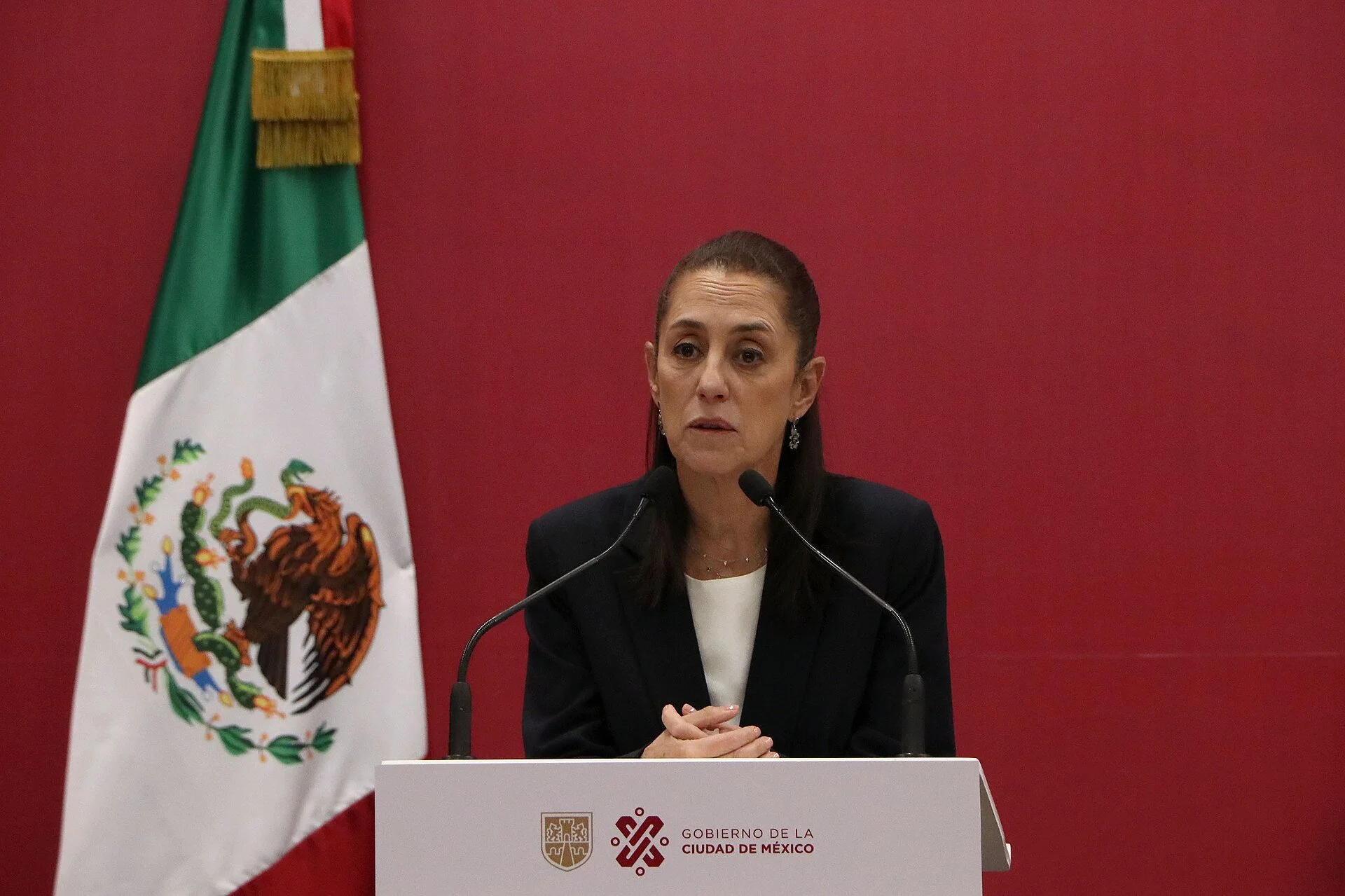

Mexico’s President, Claudia Sheinbaum, who, along with government officials, has not taken any direct action against cartel groups in Mexico.
Photo Credit: Secretaría de Cultura de la Ciudad de México

These back-to-back murders have reinforced the common perception that reform against cartel influence and protection for avocado farmers are unlikely as long as these organizations remain in the region. Many have questioned the leadership of President Claudia Sheibaum, who has yet to present a clear strategy for addressing cartel violence in Michoacán and the country as a whole.
As cartels continue to infiltrate local economies, farmers are being forced off their land. In addition to extortion fees, many are struggling to break even due to the protection payments imposed by cartels. As increasing numbers of farmers flee, the population in Michoacán's cultivation regions has declined, reducing regional avocado production. Large cartel groups have even established their own cultivation fields. The CJNG has moved into the forests of Michoacán, causing deforestation and illegally seizing lands to operate their own avocado farms. Through coercion and violence, they are stripping farmers of both their land and livelihoods, while also manipulating markets and the origins of supply.
President Trump’s “War on Drugs”
Compared to the Mexican government, U.S. leaders have a more aggressive approach. Since the start of President Trump's second term, he has declared a “war on drugs” against Latin American cartels, prioritizing U.S. military force in other countries.
Since the arrest of Venezuelan President Nicolas Maduro on January 3, Trump has put more pressure on the Mexican government to allow U.S. forces to conduct their own operations against cartel groups. In response, President Sheinbaum has emphasized Mexico’s sovereignty, worried that U.S. interference may become a permanent issue.
Trump appears to have oversimplified Mexico’s cartel issue. With groups such as CJNG and LNFM, invoking military presence would only escalate violence. Previous Mexican administrations imposed pressure similar to what Trump proposes, yet saw little strategic gain, as cartels continued to dominate local regions and impact the daily life of Mexican citizens.
Currently, 3.7 million people in Mexico are working in some part of the agricultural sector, with tens of thousands directly involved in avocado production. The Mexican federal government continues to seek solutions to this farming crisis while aiming to cooperate with U.S. plans to apprehend cartel members. In particular, Mexican authorities are concerned with how the future economy will absorb the loss of agricultural exports to the U.S. if cartel groups further entrench themselves in the avocado industry.