Project Vault: The United States’ First Step in Securing Rare Earth Elements
Illustration by Aava Ghorbanian
Project Vault
On February 2, the United States’ (U.S.) Export-Import Bank (EXIM) announced the creation of Project Vault, a $12 billion initiative to expand rare earth element (REE) stockpiles. The initiative is the first step in reducing U.S. reliance on China for REEs and a potential prerequisite to other endeavors, such as the U.S. President Donald Trump’s pursuit of REE reserves in Greenland and Australia. The project received $10 billion in federal investments from EXIM and roughly $1.6 billion in private funds. The government-backed financing is in addition to the money allocated from the Chips and Science Act (CSA), which promises $280 billion across the board for scientific and research goals.
The U.S. is pushing to advance its science and technology sectors, but remains limited by supply chain restrictions on the minerals that make development and innovation possible. Despite rising tensions, the nation still relies on Chinese imports for 14 of the 33 critical rare earth elements, which have contributed over $4 trillion to the U.S. economy. These elements are also a critical part of artificial intelligence (AI) infrastructure. Therefore, America sees securing these mineral supply chains as key to ensuring its competitiveness in the global AI race.
If these supply chains were halted for any reasons, Project Vault’s $12 billion budget would reportedly buy the U.S. 60 days, raising concerns about the long-term stability of the U.S. REE supply chains. EXIM Chairman John Jovanovic noted that the initiative is intended to strengthen economic security and shared supply chains among the nation’s allies. Over time, the program is expected to allow a collective effort with allied nations to secure REE reserves. The project isn’t an immediate economic breakaway from China, but a gradual push to increase the diversification of allied supply chains.
China’s Unethical Advantage?
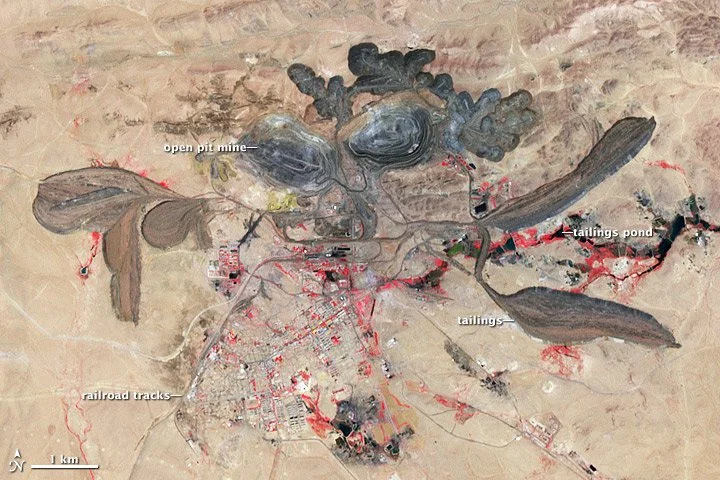
The satellite image shows part of the Bayan Obo mining district in Inner Mongolia, China, one of the world’s most important sources of rare earth elements. The mine itself is very large, estimated to be about 328.64 km, indicating a large integration of mining infrastructure into the region.
Photo Credit: NASA Earth Observatory
There are misconceptions as to why China dominates the REE market. The most common misconception is that no other country has as much access to REEs, which isn’t the case. Australia has recently been headlined as a trade partner that can support long-term REE supply chains. Last year, Trump and Australian Prime Minister Anthony Albanese signed an agreement on critical minerals and rare earths, including plans for an $8.5 billion project. Australia has dozens of known deposits, the largest being Mount Weld, which is so promising Trump stated in an interview that “in about a year from now, we’ll have so many critical minerals and rare earths that you won’t know what to do with them.” While this deposit is now estimated at about 106.6 million tonnes of REEs, it pales in comparison to China’s Bayan Obo deposit, which contains around several billion tonnes. However, Australia has several other REE deposits; if the U.S. were to strengthen its connection to all of these, it could significantly reduce Western dependence on Chinese rare earth production and refining.
What exactly sets China apart if not its REE deposits? Not necessarily their geographical fortune, although it helps. China dominates the REE market because of its long-term mineral processing development and its gradual integration of REE extraction processes. By undertaking chemical processing for about 90% of the global supply while mining about 70% of the world’s REEs, China has been able to dominate the global REE market.
Within Inner Mongolia lies the world’s largest REE mine, which comes with a huge environmental cost. Radioactive waste from the mine drains into vast man-made lakes, forcing neighboring villages to move after rising reports of cancer and birth defects. While China has developed its REE mining and processing capabilities years ahead of its competitors, this development has come with public health and environmental issues that the U.S. would look to avoid.
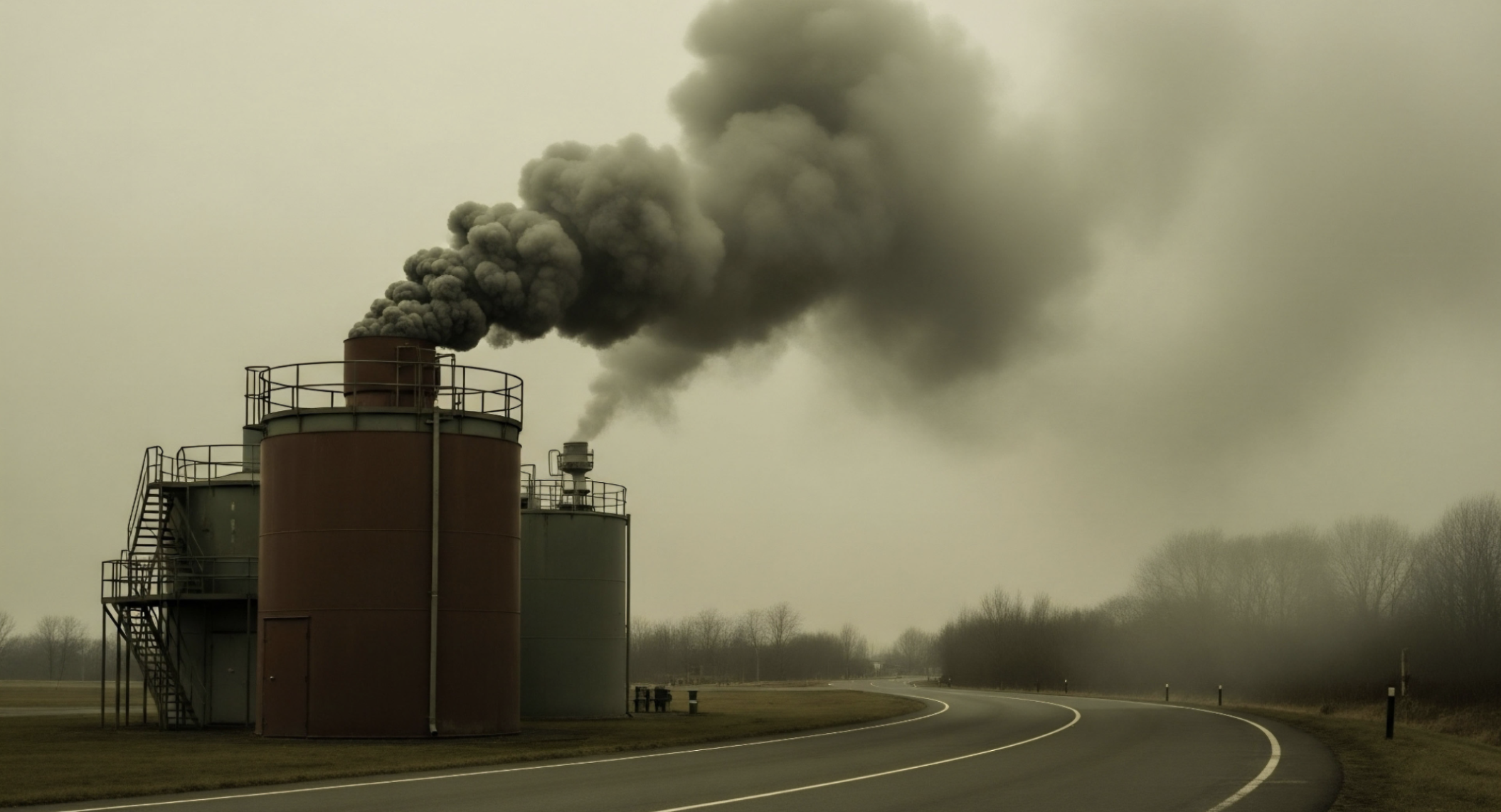
The rare earth element extraction process uses strong chemicals that emit significant amounts of toxic gas into the air. This poses a safety hazard for the workers, neighboring communities and surrounding ecosystems, pointing to the large environmental costs of this industry.
Photo Credit: Sustainability Directory
Integrating REE operations at this scale will likely cause backlash among Americans. Considering Trump’s desire to diversify supply chains, he would likely look towards REE reserves outside of the U.S. to mitigate domestic concerns. The scale of rare earth deposits in Greenland has fueled Trump’s purchase propositions, as the island contains some of the world’s largest rare earth deposits. Due to the lower population and large undeveloped land mass, it would be easier to integrate large-scale mining facilities in Greenland than in heavily regulated parts of the U.S. and Australia. However, the overwhelming majority of Greenlanders oppose Trump’s proposal, citing public health and environmental concerns.
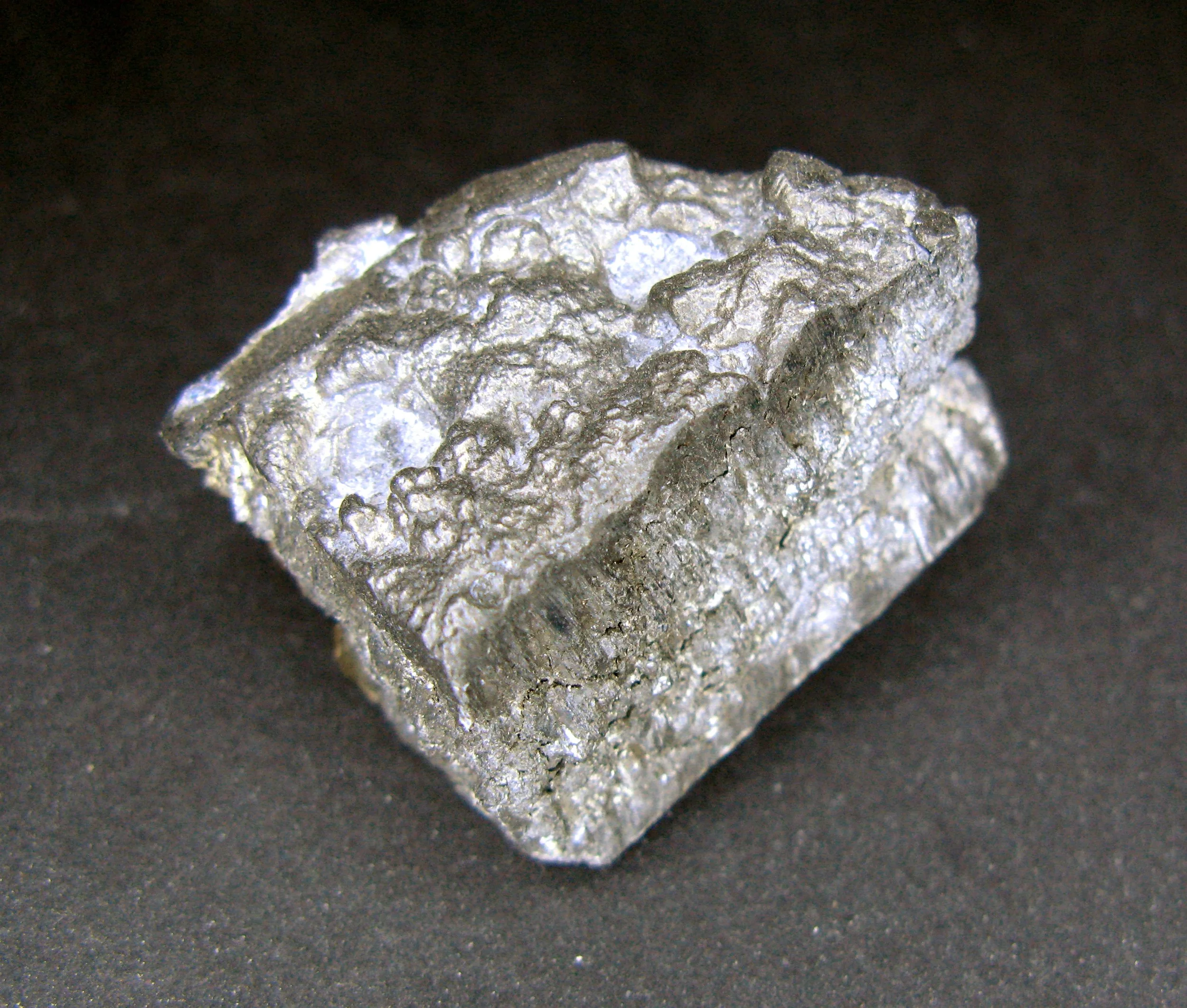
Rare earth element yttrium is shown in its metallic form. Yttrium is used for lasers in industrial applications and in the production of bright light in LED screens. China’s decision to place export controls on yttrium and other rare earth elements led to mass shortages in devices that contain/rely on these minerals.
Photo Credit: Tor Paulin
Strategic Leverage
China has historically imposed export restrictions on the U.S., which has only expanded the progress gap between both nations. On April 4, 2025, China’s Ministry of Commerce imposed import restrictions on seven REEs, such as dysprosium, yttrium and scandium, to name a few. China weaponized REE supply chains in response to Trump's tariff increases. Restrictions on yttrium caused production disruptions in semiconductor manufacturing due to price spikes and shortages, as this particular mineral is used to protect devices from extreme heat levels. Without yttrium, semiconductor supply chains were effectively halted, endangering the U.S.’s technological competitiveness.
The 2025 yttrium shortage exemplifies why Project Vault is a prerequisite for further U.S. initiatives against REE reliance on China, and why bills such as the CSA exist. Section 10359 of the CSA allocates funding to address REE processing inequalities between the U.S. and China, but the specific percentage of the total investment is undisclosed. However, the mention of investments in mineral processing implies that Project Vault is the start of a larger strategic goal for the U.S.: improving mineral processing capabilities and protecting against further trade restrictions. The current presidential administration is realizing that transnational deals alone won’t allow it to compete with China. To secure long-term prosperity over short-term benefits, the administration feels that investments need to be strategically allocated to researching mineral processing and finding alternatives to the traditional REEs used in foundational technology.
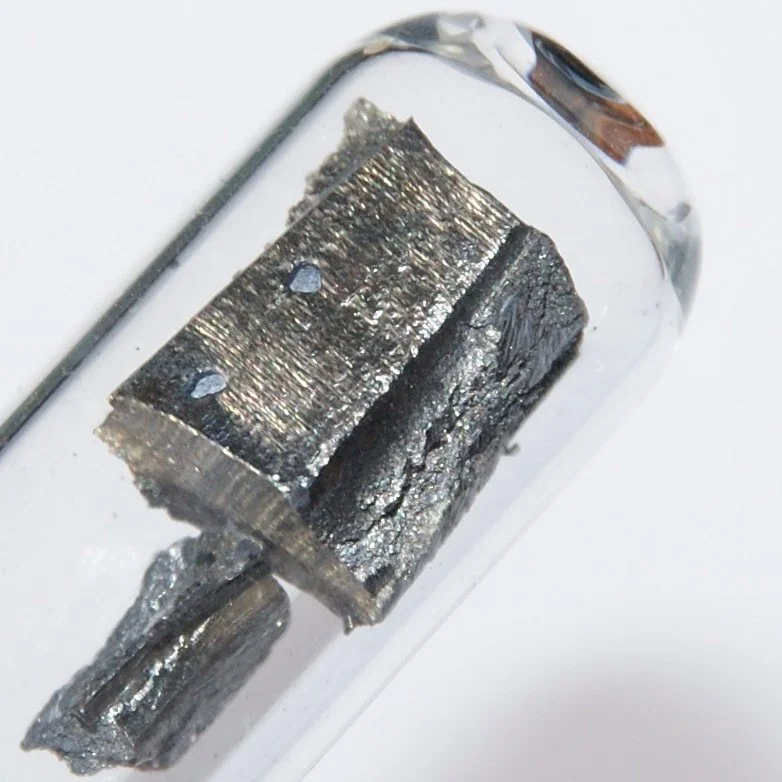
U.S companies are attempting to reduce reliance on elements such as Neodymium, demonstrated in the image above. Nitron Magnetics is a particular company attempting to break away from the necessity of Neodymium in magnets, instead using Iron Nitride.
Photo Credit: Hi-Res Images of Chemical Elements
As policymakers researched China’s rare earth elements supply chain, they discovered that U.S. dependence isn’t on the country’s REEs, but on their refining and separation. Upon this discovery, they began investing in multiple refining companies, both domestically and from allied nations, to strengthen supply chains as soon as possible. Three of these companies are reported to be MP Materials, Lynas Rare Earth and USA Rare Earth. Of these three, the most promising is MP Materials, a company situated in the hottest place in the U.S., the Mojave Desert. MP Materials controls the entire mineral processing chain and owns the most important U.S. rare earth deposit. Based on publicly known federal investments, this company has also received a large amount of funding from the Department of Defense (DOD). In fact, the DOD has become MP Materials’ largest shareholder, owning 15% of the company after a $400 million investment. These investments are being used to expand the company's manufacturing capabilities by constructing a second manufacturing facility.
Apart from mineral processing research, the federal government has notably taken steps to reduce reliance on REEs by investing in ambitious start-ups, such as Niron Magnetics. Niron Magnetics is a U.S. company that has developed 100% REE-free domestically manufactured magnets. This serves the current administration’s ambitions: boosting domestic industries to reduce overall reliance on imports for essential technology, infrastructure and other sectors. In fact, the company reportedly received a $17.5 million grant from the U.S. Department of Energy, and although this may not have been explicitly covered by the CSA, it still signals a larger strategy coinciding with the recent launch of Project Vault.
In addition to these federal subsidies for mineral processing and companies eliminating the need for REM-powered magnets, Project Vault’s announcement indicates greater ambitions in the U.S.’s long-term foreign policy. The U.S. could very well be looking to break away from a dependency on China in the next five years, and maybe even earlier.
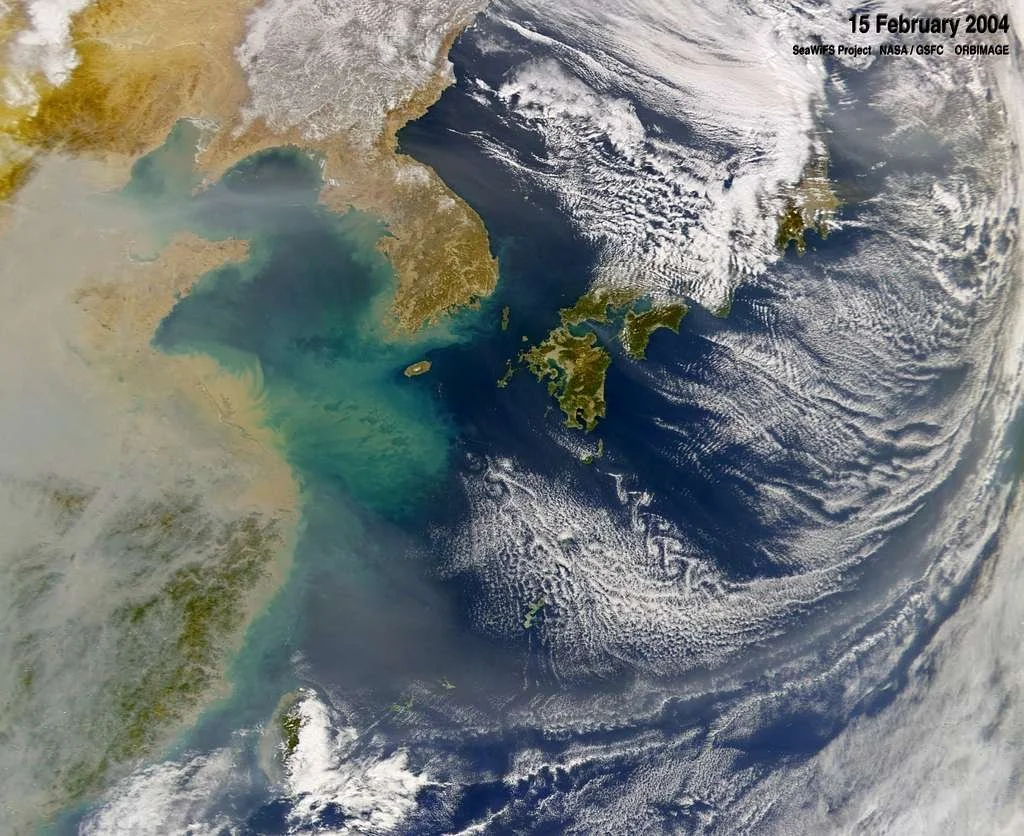
According to Davidson’s Window Theory, China will attempt to regain its influence in East Asia by the end of the decade. This satellite image depicts most of eastern China and northern Taiwan.
Photo Credit: DVIDS
Davidson’s Window
By initiating Project Vault, the U.S. is effectively investing in a long-term strategy to counter China, despite the fact that more immediate issues are at stake. One theory that explains this strategy was proposed by Philip S. Davidson, the former 25th commander of United States Indo-Pacific Command. In the “Davidson Window” theory he proposed in 2021, China could invade Taiwan within the next six years as part of its long-term goal of becoming the dominant power in East Asia and the Western Pacific, thus reducing U.S. influence in the region.
As the U.S. is only one year away from that theorized invasion, the administration’s actions to break away from Chinese influence could very well be driven by Davidson’s warning. A $12 billion emergency stockpile of REEs could serve the U.S. in the event of a Chinese invasion of Taiwan, which might increase export restrictions on REEs. As previously discussed, this would likely disrupt supply chains, leading to critical technology shortages, but this also may limit technological progress, considering U.S. dependence on Taiwan for semiconductor manufacturing.
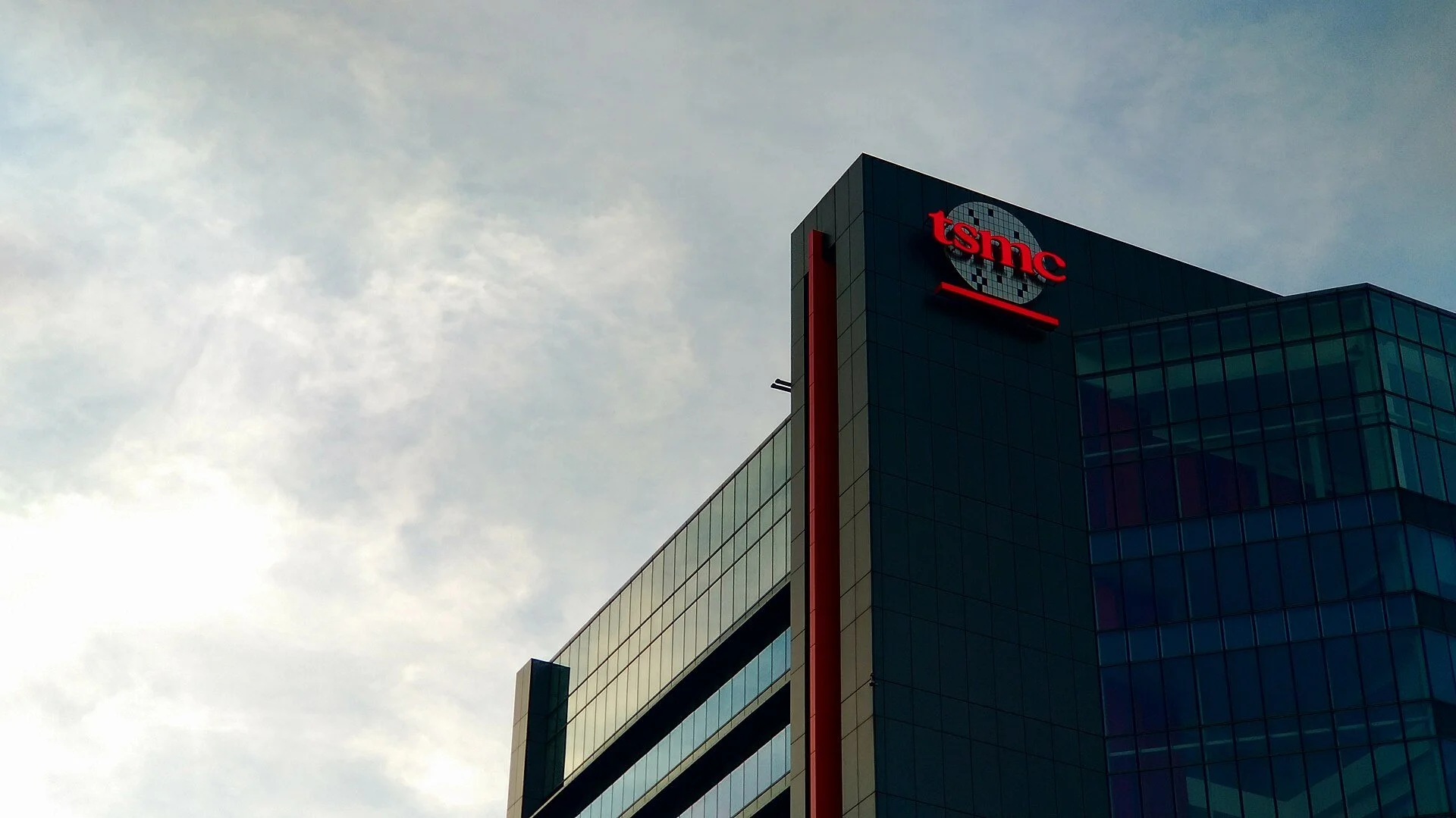


TSMC’s expertise in Semiconductor Manufacturing has made the company valuable in the eyes of the U.S. However, TSMC still relies on a number of rare earths for some of their applications, so there is still dependency on Chinese REEs to secure supply chains.
Photo Credit: Briaxis

Critical Technology
U.S. dependence on Taiwan for semiconductor manufacturing has created a silicon shield that will protect the country in case of a Chinese invasion. The U.S. has signed an $11.1 billion arms deal with Taiwan while attempting to strengthen their own REE supply chains. The deal includes anti-tank and anti-armor missiles, HIMARS rocket systems and loitering munitions. Though it is the most recent arms deal signed between the countries, it is not the first. The deal follows another $330 million agreement for aircraft spare and repair parts, suggesting a future of aerial conflict. These arms deals could lead to additional trade restrictions from China, as the Chinese Communist Party deeply condemns these actions, likely due to the indication that the agreements promote deeper diplomatic ties between the two countries.
Chips are the modern-day oil, and U.S. reliance on TSMC has allowed companies like Meta and OpenAI to flourish. TSMC has restricted Chinese access to the most advanced semiconductors for years, limiting Chinese firms’ ability to innovate at the level of western companies. It is very likely that China is acknowledging the advantage this relationship has created for the U.S., potentially using its REE leverage to regain power. In fact, the DOD reported that China has made significant advancements in its military capabilities, specifically regarding long-range strike, joint firepower and counter-intervention operations.
Considering recent U.S. stockpiling of REE reserves, alongside increasing investments in mineral processing and billion dollar arms package deals with Taiwan, it can reasonably be assumed that the administration is taking the Davidson Window very seriously. In the next year, the U.S. will likely increase federal investments in technology companies that improve mineral processing capabilities, attempt to eliminate reliance on REE for critical technology, and push distribution of investments through the CSA. Although just a theory, Davidson’s Window has remained relevant in the past five years, as both parties have taken conscious actions to prepare for a breakaway. This raises the question: will a $12 billion stockpile buy the U.S. enough time? And what would happen to our supply chains if it does not?