Articles by Topic
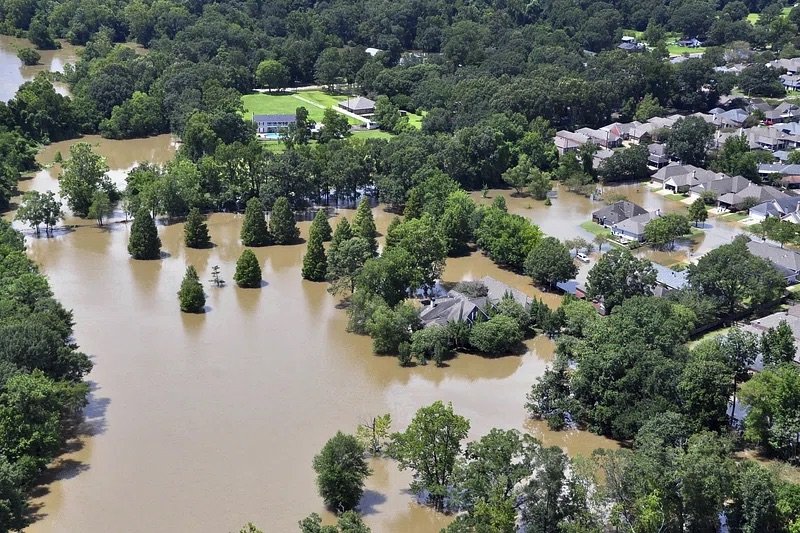
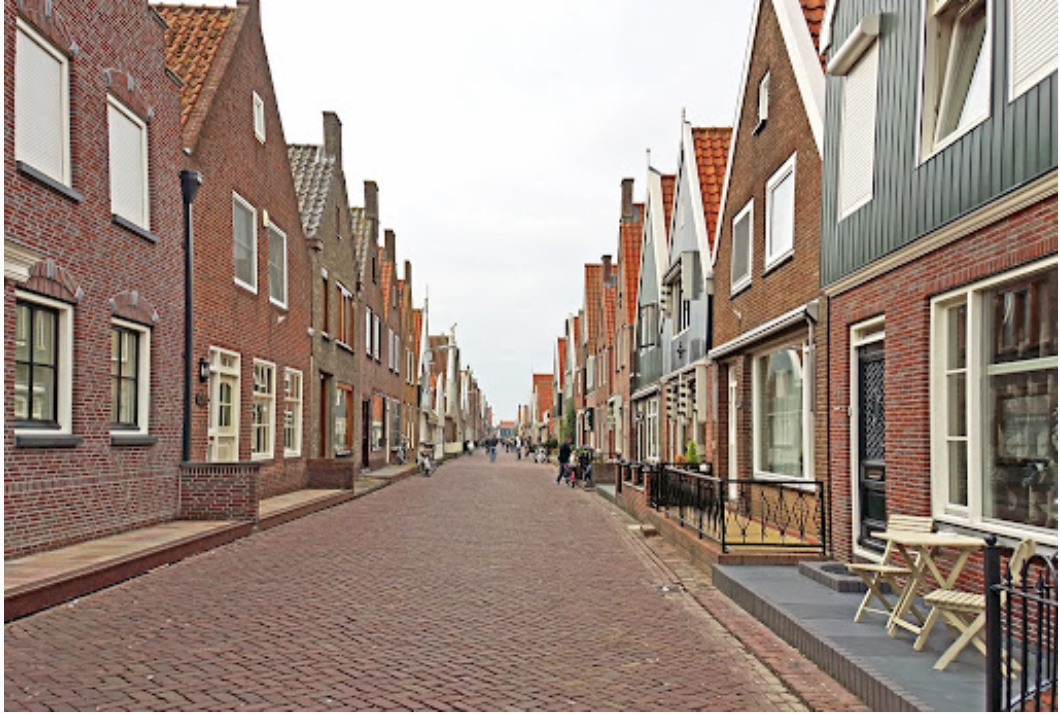
The vitality of transatlantic commerce between coastal communities has allowed numerous countries to trade commodities, export humanitarian aid, and create beachy standards of living that reflect the rapid development of the modern world. However, the immense weight of skyscrapers and other human creations that have accompanied this development is set to accelerate coastal flooding. The pumping of groundwater and oil, as well as coal mining, exacerbates this process, as the empty space left behind gives way to rock collapse. Chinese cities like Tianjin and Beijing, coastal urban areas in the Netherlands and Ukraine, and segments of American states like California and Florida, are now in the path of imminently rising sea levels. According to a new study, 16% of major cities in the Eastern Hemisphere are losing greater than ten millimeters of elevation per year, and half are losing more than three. These numbers may seem small, but sea levels are projected to rise nearly six feet by the end of the century.
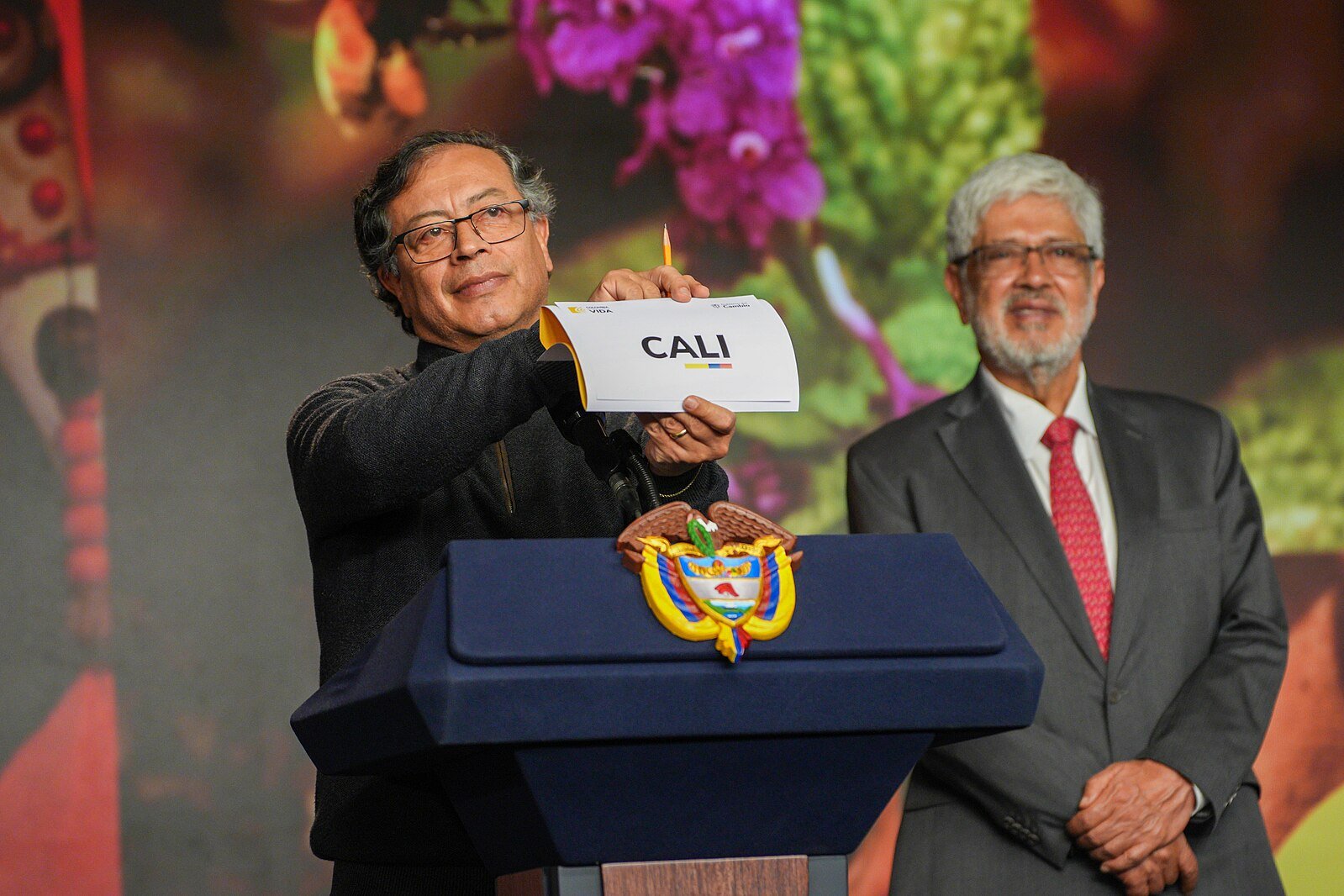
The urgency of the biodiversity crisis is undeniable. Habitats are disappearing at an alarming rate and, according to The Nature Conservancy, an environmental nonprofit, nearly a million species face extinction. This pressing issue underscored the importance of holding the 16th Conference of the Parties to the Convention on Biological Diversity (COP16), a biennial conference run by the United Nations (UN).

The need for alternative metals used as raw materials to build clean car batteries is dire, the likes of which will help to fuel the green revolution. Yet their extraction has caused discourse, as some of the largest caches of such metals lie 300 kilometers below on the deep ocean floor.

In the high arctic tundra of Norway’s Svalbard archipelago, a steel facility holds the food insurance policy for all of humanity: 1,214,827 seed samples from almost every country in the world. Although it sounds like something out of an 80’s science fiction movie, this operation is no fiction. The Svalbard Global Seed Vault is made possible through international cooperation to ensure the world is prepared for catastrophe. As of the facility’s 15th anniversary in February of 2023, it holds over 13,000 years of agricultural history.
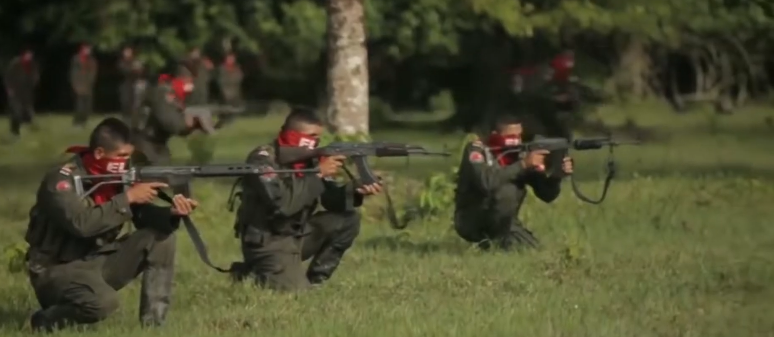
The demobilization of the FARC in 2016 was supposed to usher in a new era of peace for Colombia. Yet, President Petro’s campaign for total peace has failed to subdue a transformed and emboldened ELN. The government is changing tactics to reassert control but it may not be enough to rescue the aspirations of 2016.
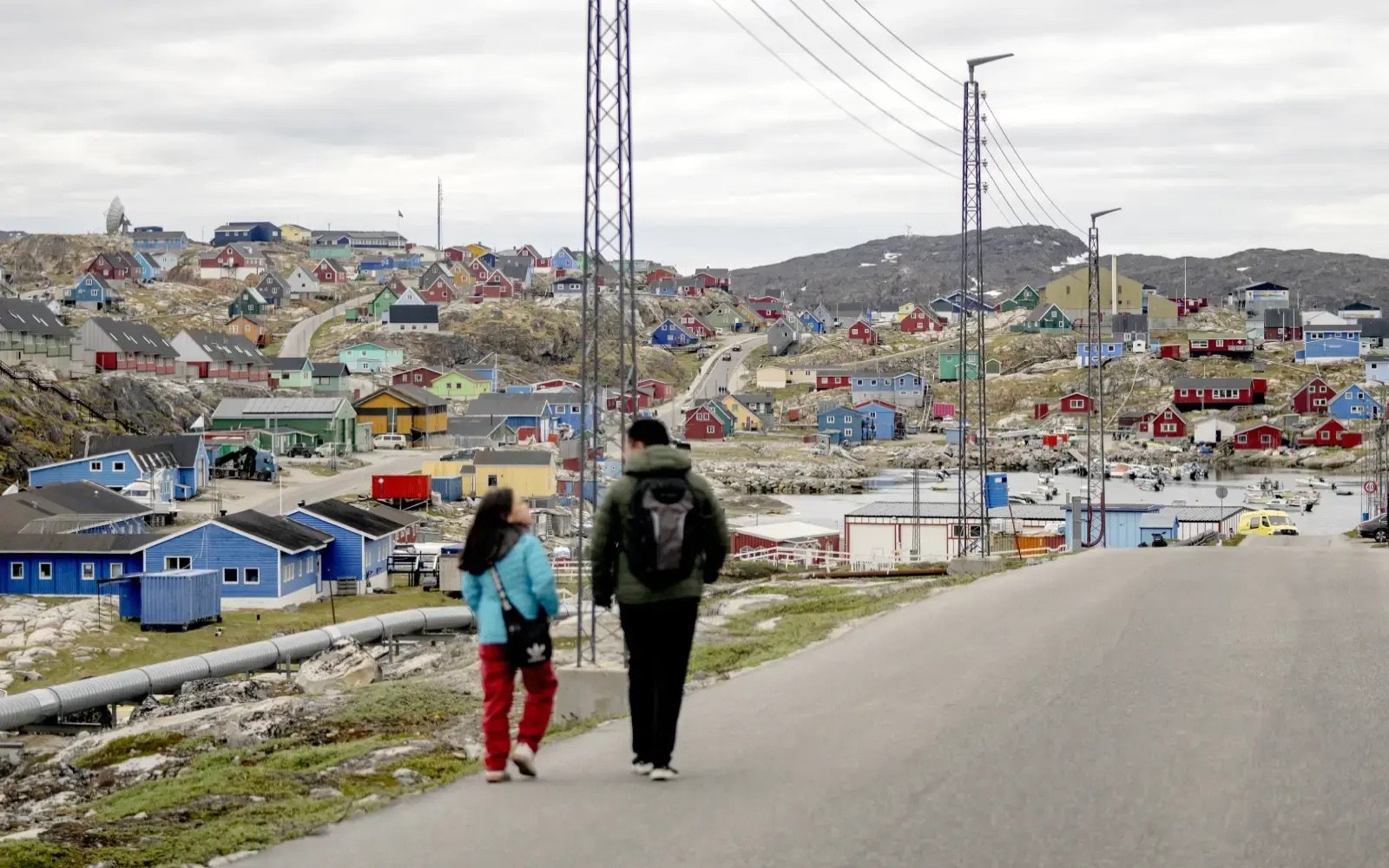
The reason behind President Trump’s aspirations lies in the strategic and economic potential of Greenland’s location and subsoil resources. As the island aims for eventual independence under Prime Minister Mute Egede and his Inuit-led government, considering alternatives to autonomy under the Kingdom of Denmark opens the door for Greenland to become a key player in geopolitical and geoeconomic rivalries.
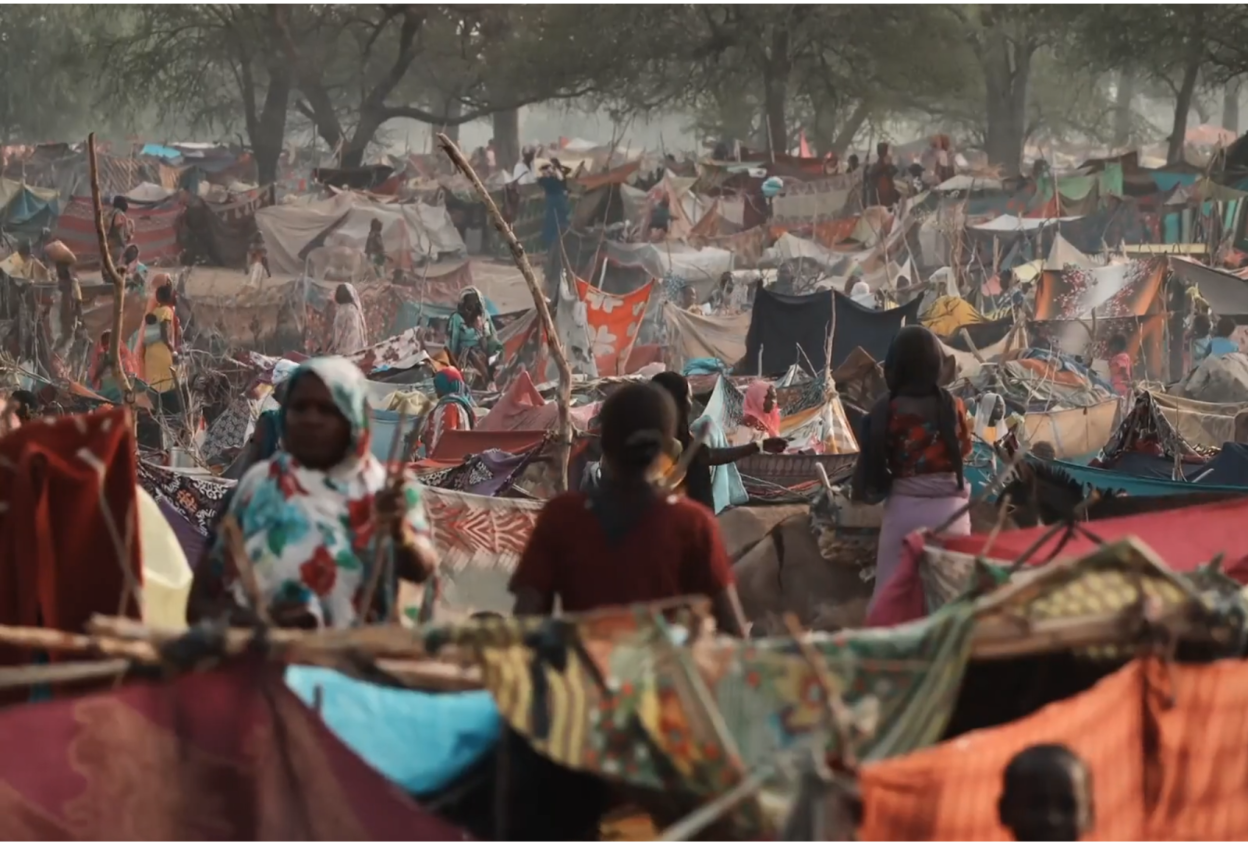
The UAE has covertly funded the RSF in the Sudanese Civil War to protect and strengthen investments in agriculture, mining, and shipping. However, recent gains by the SAF and increasing involvement from the international community via peace talks and sanctions threaten Emirati interests deemed critical to its future.
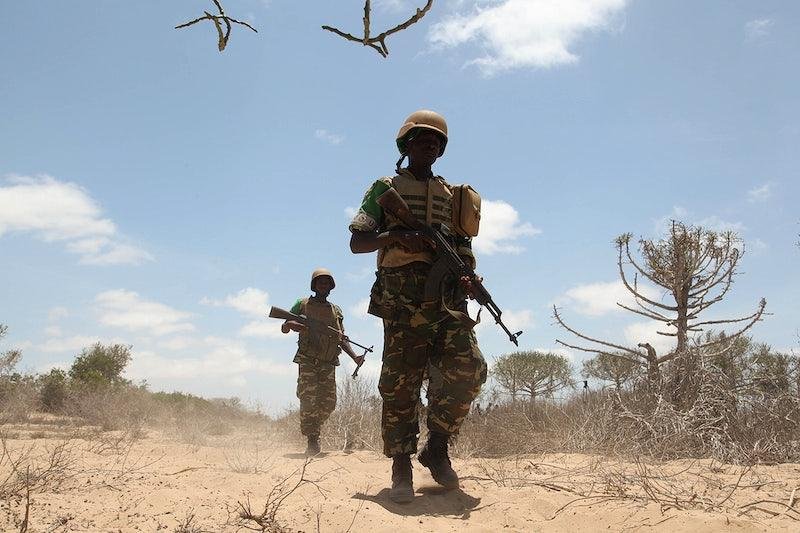
West Africa is on the war path. A combination of armed banditry, ethnic insurgency and terrorism have slowly gathered in the shadow of global attention. As the drums of war get louder, and foreign powers enter the fray, is there anything that can salvage peace from the jaws of conflict? For the people of this impoverished region, time is running out.
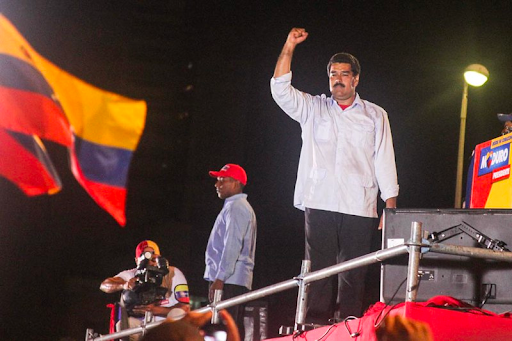
Last December dispute between Venezuela and Guyana over the resource-rich Essequibo territory was reignited. Despite international recognition of Guyana’s claim to the territory, Venezuelan voters passed a referendum claiming sovereignty over the region and an immediate need to retake the territory.
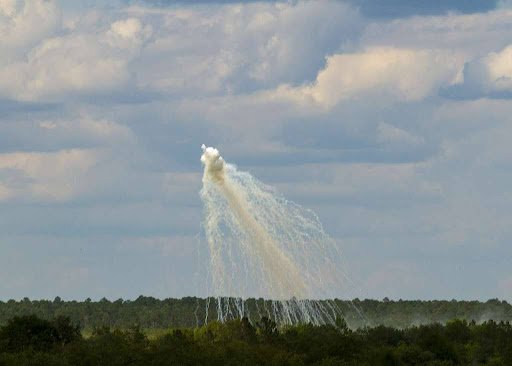
Following Hamas’ October 7th attack, Israel has engaged in an aerial bombardment of the Gaza Strip. In response, human rights organizations have criticized the civilian toll of Israel’s bombardment. One component of this humanitarian calamity is the use of white phosphorus.
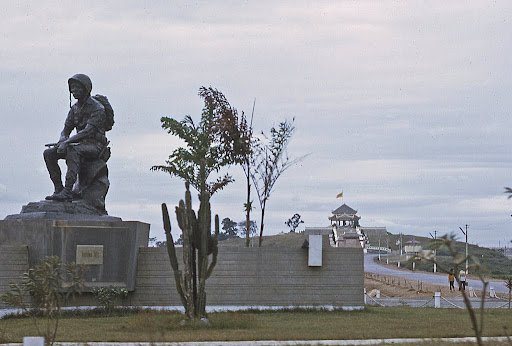
Embedded within the soil of Vietnam’s Quảng Trị province lies the shrapnel of deployed bombs, chemical herbicides, and fragments of human bone and flesh from a war that ended half a century ago. In those same killing fields upon which monuments now stand lie the unrecovered bodily remains of an estimated 300,000 Vietnamese soldiers.
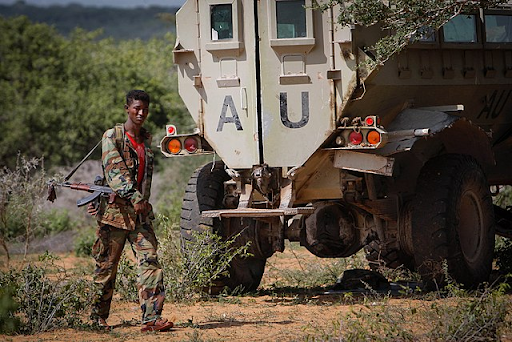
In the deserts of West Africa, lies one of the most serious humanitarian and security crises. The Sahel region is now known as the de facto center for global terrorism with numerous Islamist extremist groups taking land and conducting attacks on civilians and governments alike.

Reflecting on current and past methods of teaching literacy identifies several possible causes for the widespread decline in reading stamina. A closer look reveals how the devaluation of strong literacy skills affects students.
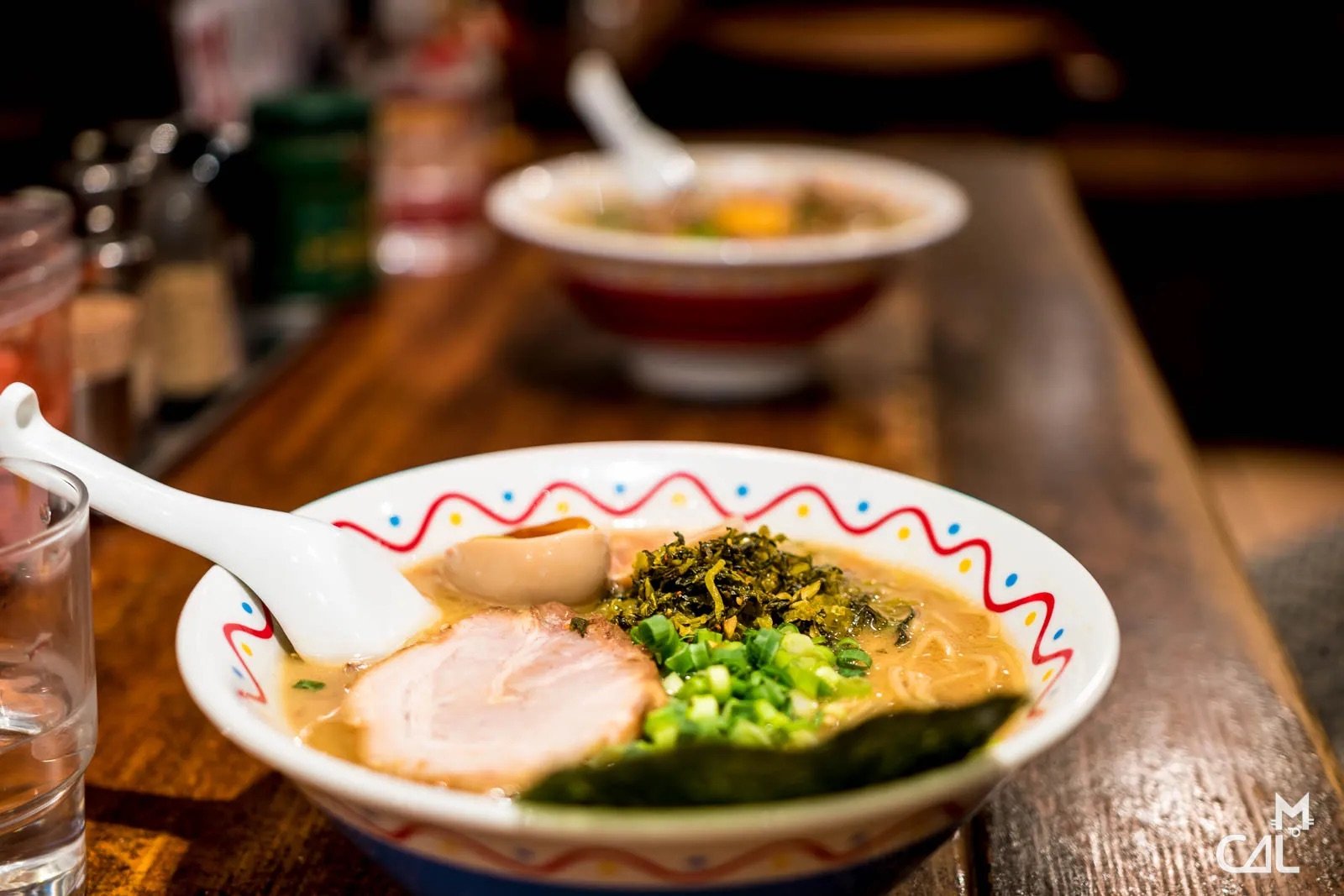
Ramen noodles were created and became popular throughout periods of war, famine, international trade, and industrialization. What can a simple dish millions around the world eat everyday tell us about the history of foreign affairs?

Untangling the web of recent K-pop scandals reveals a more sinister truth about how the music industry and the culture of misogyny intersect in South Korea. The cracks of the highly-curated K-pop industry are showing, and what lay behind the mask of glamour and glitz is ugly.

"Palestinian-American photographer Adam Rouhana wrote an opinion piece for the New York Times in which he explained his drive to create positive images to counter the media’s portrayal of the Palestinian people as violent terrorists or expendable additions to statistics. ‘By decolonizing photography,’ he explained, ‘we can decolonize our minds and achieve a more nuanced understanding of Palestinian reality.’ Rouhana’s photography project ‘Before Freedom’ exploring these ideas was recognized at the Belfast Photo Festival of 2024."

In its bid for the 2024 Summer Olympics, Paris promised to supply a resplendent backdrop to the world’s symposium of sport. The City of Light did not disappoint... Amid the triumphs of the 2024 Games, one glaring figure remains consequential for Parisian taxpayers: the Olympics’ financial cost. For now, the economic outlook is surprisingly promising. Paris initially set aside $8 billion (in USD) for the Olympics, a figure that has since increased to around $10 billion. As recently as May, organizers expected a small profit, a shocking change from the severe losses incurred by recent hosts.

“Art must be allowed to criticize, to provoke, to push the boundaries in any society.” This was the statement declared by a panel of the U.N.’s experts on Iran in response to the death sentence placed upon Iranian rapper Toomaj Salehi. On April 24, Branch 1 of the Isfahan Revolutionary Court, led by Mohammad Reza Tavakoli, charged Salehi with “waging war against God” and “corruption on earth”, crimes punishable by death.

In January, the United Kingdom’s National Crime Agency seized 23 works from Ahmad’s collection–together worth $1.3 million. This seizure is the most recent step in investigations into Ahmad, who was charged with financing the organization Hezbollah through his art and diamond dealings. As such, governments are cracking down on the art market but this comes with repercussions for artists, art dealers, and auction houses.

The pop girls have been “standing on business”. The past year has ushered in an unprecedented era for women breaking through glass ceilings. Female musicians’ accomplishments and far-reaching influence demand greater attention and respect from the global community. The international impact of female pop stars, through their artistry and advocacy, is not to be underestimated.

Chess remains a force for unity: It’s a fun, intellectual game that is unfortunately ever exploitable for soft power. Hopelessly mixed up in international politics, chess is facing the dilemma posed to several other sports organizations– an existential fight for neutrality. Can FIDE break from decades of Russian influence and promote chess for its own sake, and not itself be a pawn in the political games world powers play?




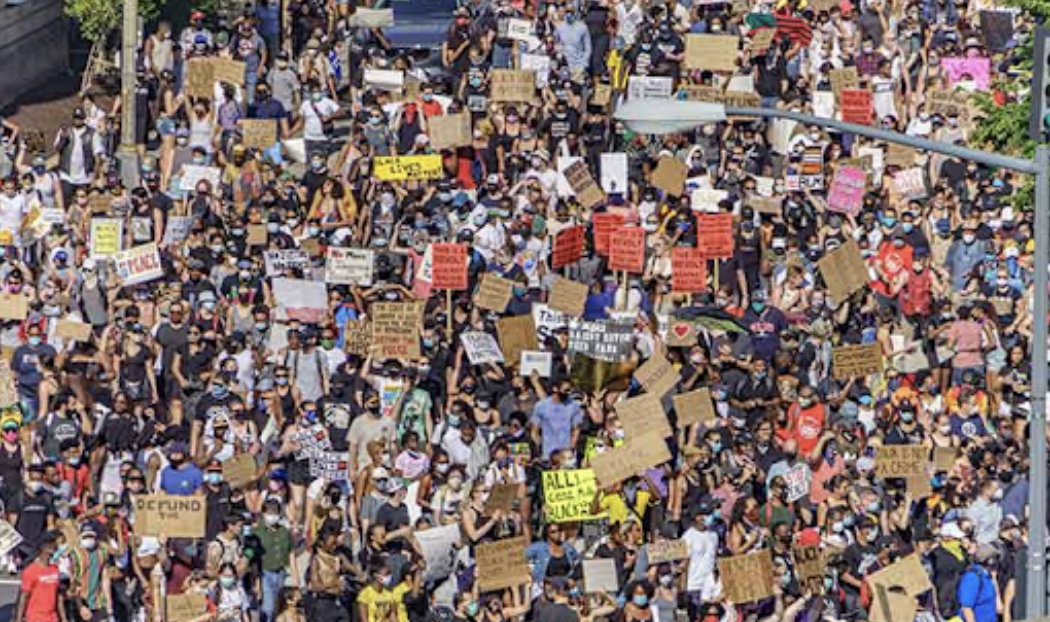

Research has shown that high-quality ECEC lessens the inequality gap between children of disadvantaged and advantaged backgrounds, increasing the income potential and opportunities for upward social mobility for low-income children later in life. Thus, the US should follow in the footsteps of Nordic countries by improving its ECEC system.

Sex work provides income for over 42 million people worldwide. However, due to the COVID-19 pandemic, this “close-contact” profession is now banned, rendering many distraught, unemployed, and at high risk of contraction of the virus.
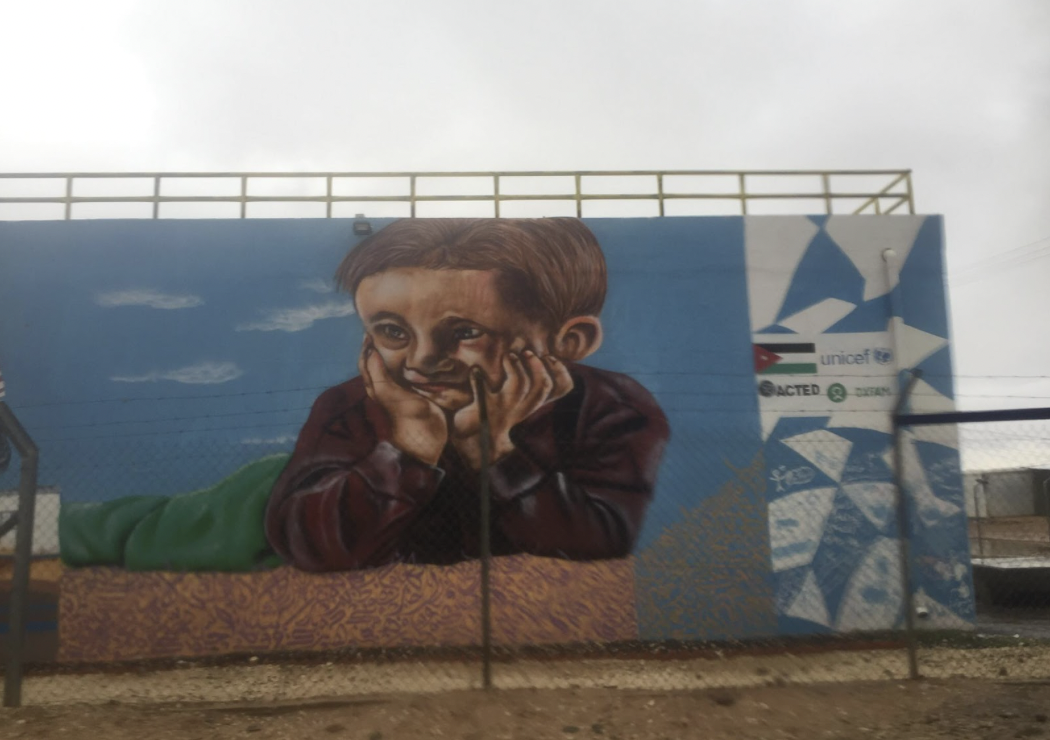
In 2011, the Syrian Civil War placed refugees on the global stage. Five years later, we only hear about refugees at campaign rallies. What is their situation today?
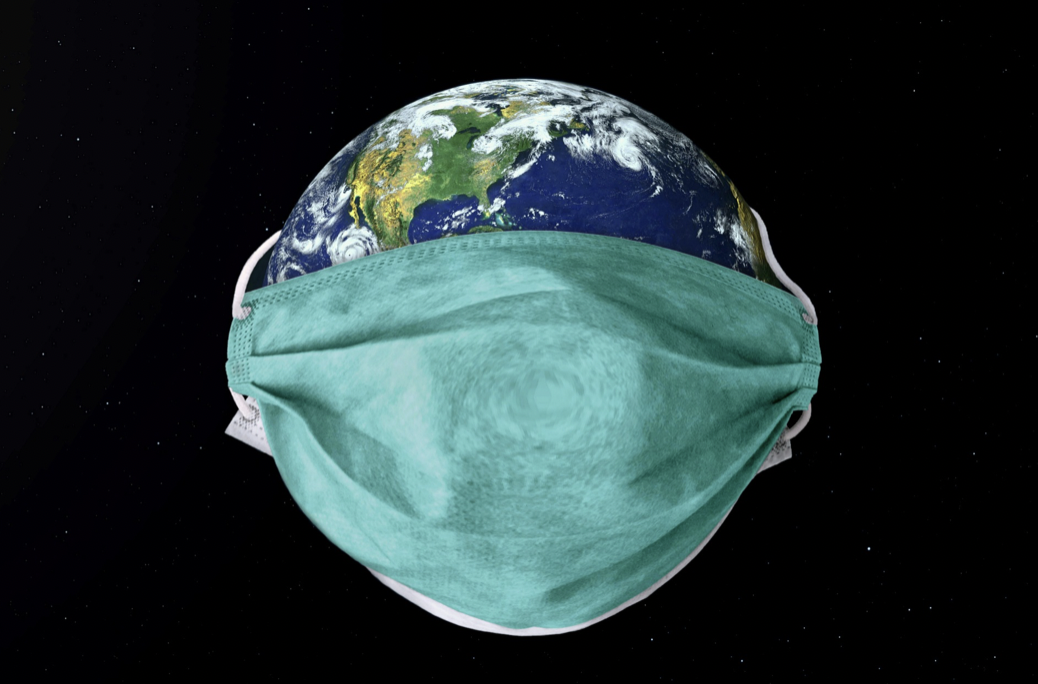
The post-COVID world may be a very different place to live. Due to rapid changes in geopolitics and social lives, we may find ourselves standing in unchartered territory.

Despite global actions to reduce sexism, women are still seen as legally inferior in many countries. Can technology help combat this social injustice?
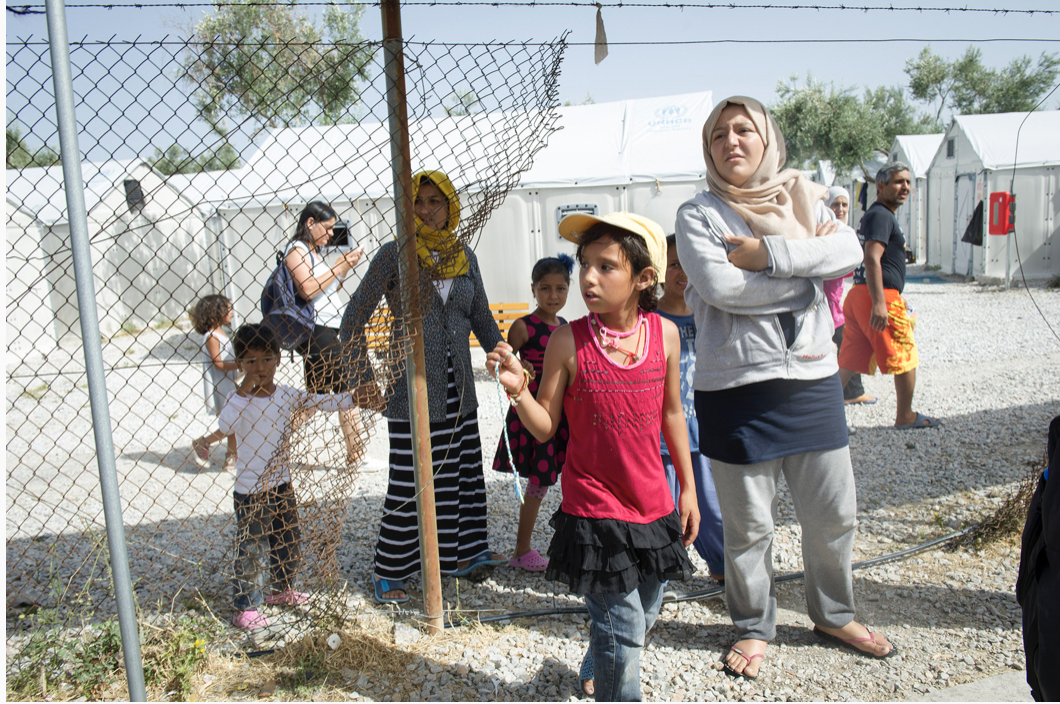
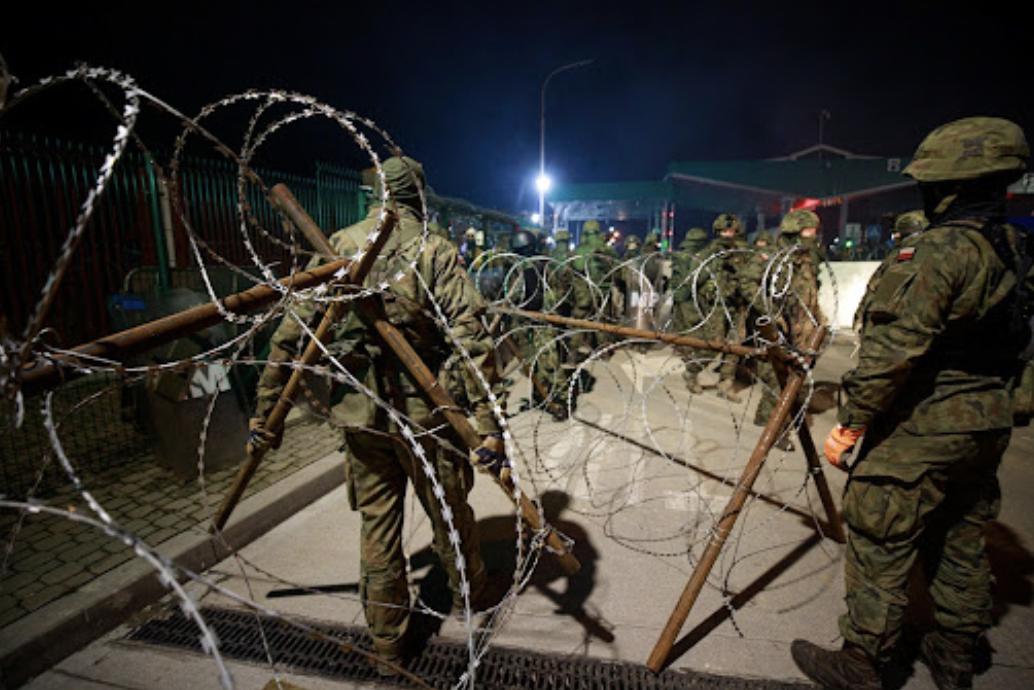
Europe has been dealing with a refugee crisis for five to six years now, yet only one country has borne the brunt of it: Greece. The country's response: funding a floating barrier to deter migrants. By Raafiya Ali Khan
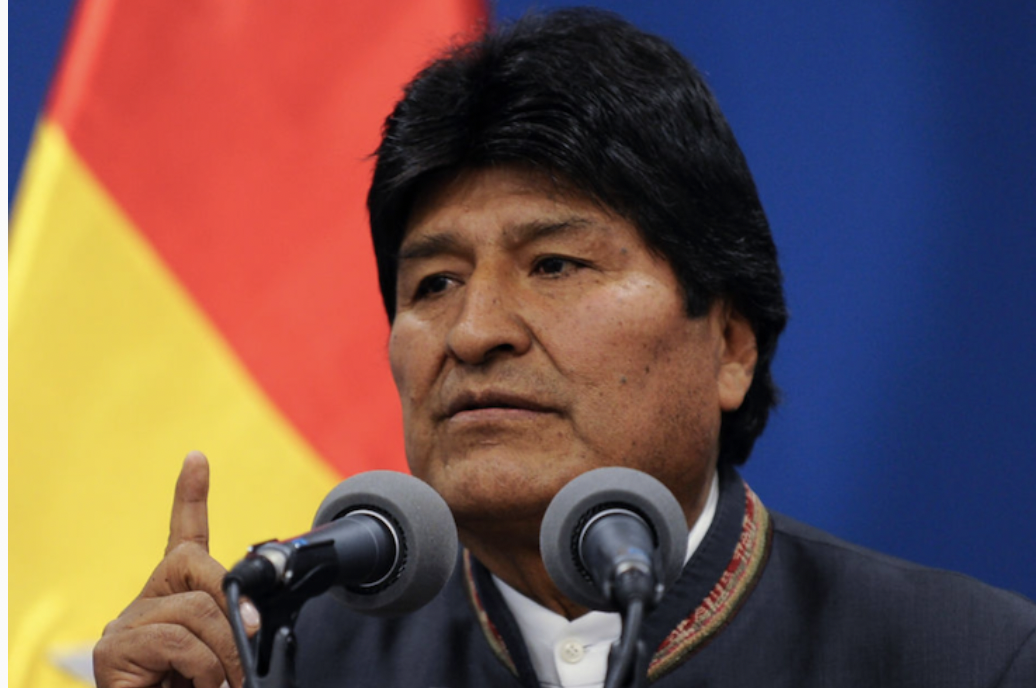
Amidst national political unrest, Bolivia's change in leaders has the nation divided. Staff writer Marc Camanag delves into the extent of influence that Evo Morales left on the people of Bolivia.
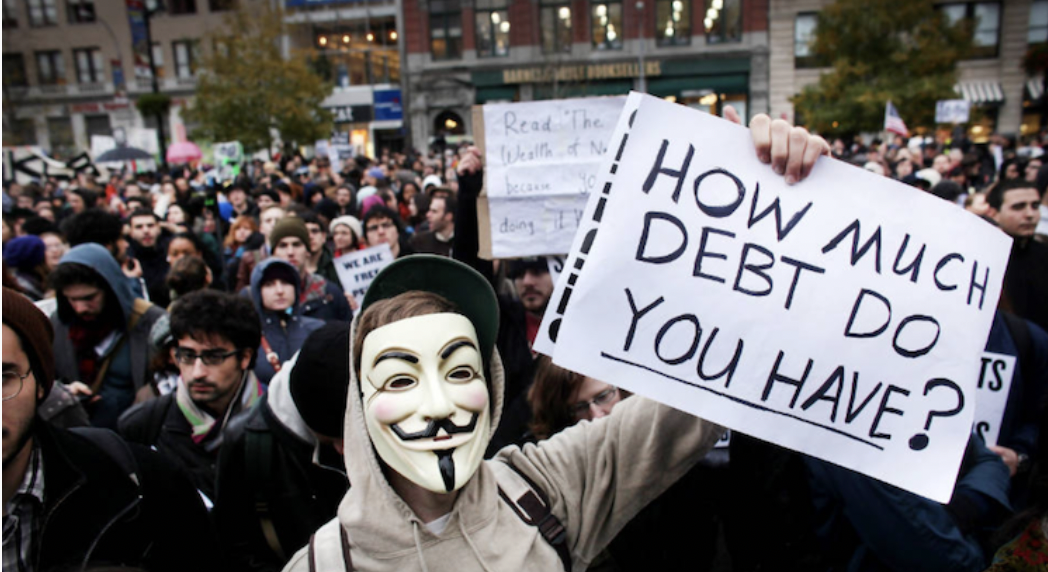
While student loans may be categorized as the gateway to a chance at a better future, the price we pay for our education has increasingly become a matter of reaching the bottom-line for many of our academic institutions. Staff writer David Ramirez speaks on the challenges students face in taking on student loans, and gives some insight on how to mitigate the financial burden.
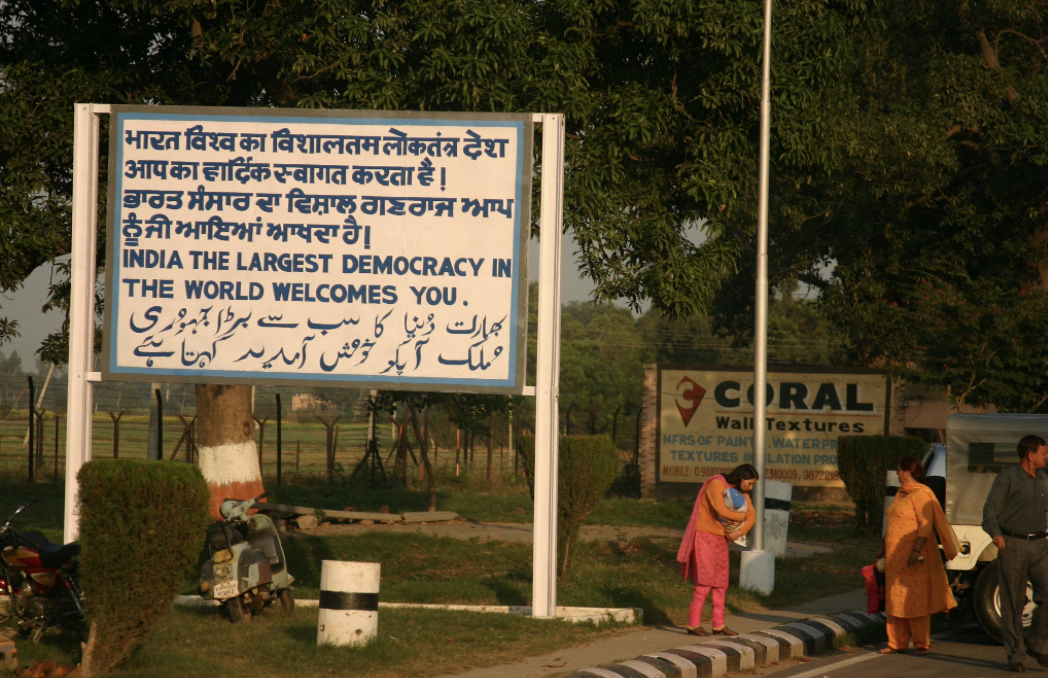
The 1947 partition of India and Pakistan was anything but a clean divide. Based largely along religious lines, the move was meant to place the large population of muslims into Pakistan. Muslims in India have had a well documented history of discrimination, but are the conditions for Pakistani Hindus any different?

How much responsibility do companies bear in speaking out on politically salient issues? What happens when speaking out has a direct impact on their profits? Staff writer Nicholas Kishaba on the recent case of China and the NBA.

Staff Writer Hector Guzman explores the roles of art in nation healing following the Rwandan genocide and the Srebrenica massacre.

Staff writer Hector Guzman explores the controversy around Finnish artist Jani Leinonen's recently exhibited art piece "McJesus," its commentary on faith and implications on artistic censorship.
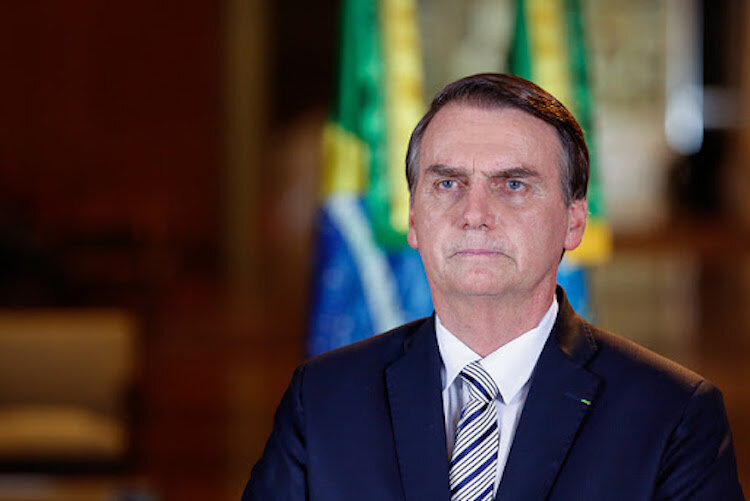
Staff Writer Ariana Roshanzaer sheds light on how Brazilian President Jair Bolsonaro's policies are threatening both the environment and the indigenous tribes of the Amazon.
Staff Writer Deborah Jeong reviews the Global Forum event meant to help students explore global citizenship through two guest speakers discussing travel, working abroad and getting involved in your host community.
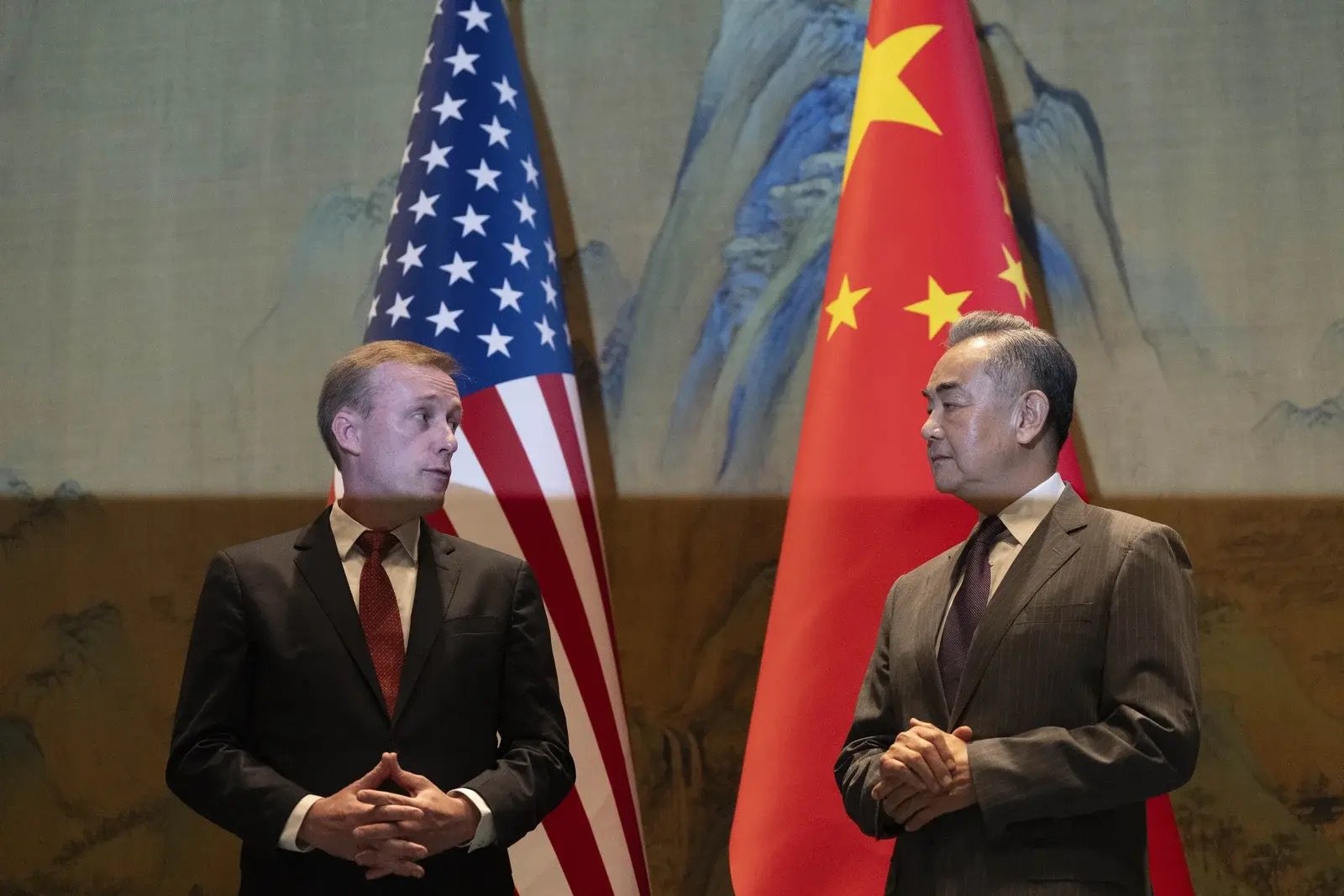
China’s engagement in Latin America guarantees it will remain a threat to U.S. national security until the U.S. regains regional power through Americas-based collaboration — a path economic advisers and policymakers must promptly pursue to prevent President-elect Donald Trump’s anticipated withdrawal of development aid and proposed tariffs that could drive Latin American countries to work even closer with adversaries such as China. Failure to pursue such collaboration risks democratic backsliding in the Western Hemisphere and an economically isolated U.S. that could be susceptible to global conflicts.
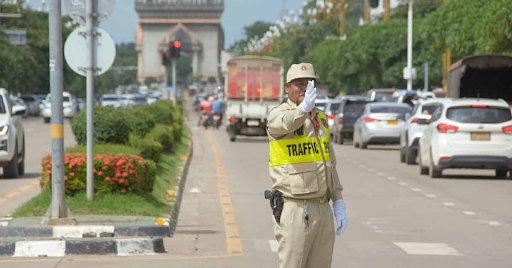
Laos, like other developing, single-party nations faces a serious issue with corruption. The country loses millions each year to petty bribery and corruption within the government. But there are international solutions that can ease these costs.
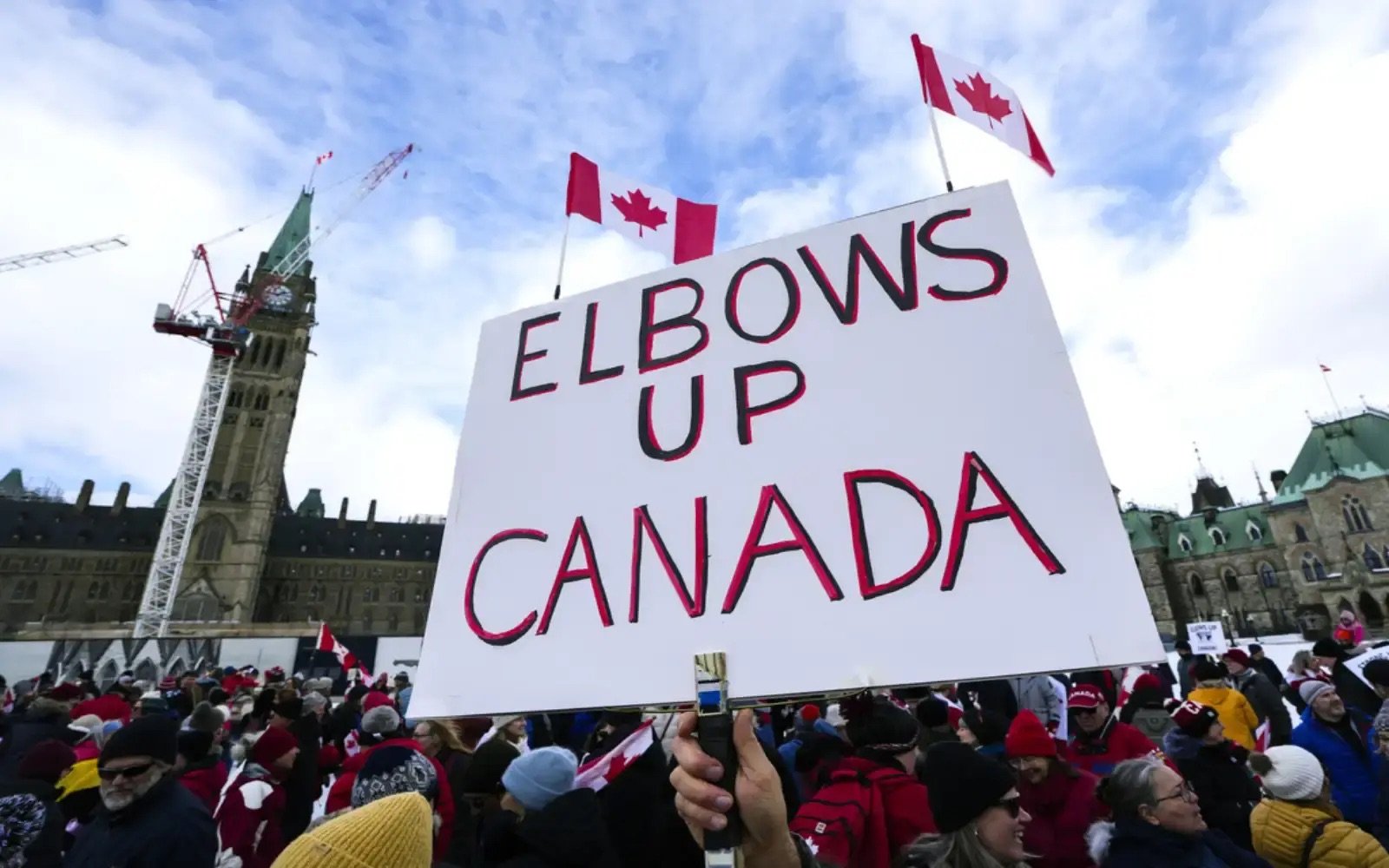
With Justin Trudeau stepping down and U.S. tariffs straining Canada’s economy, the country is heading into a snap election that could redefine its political future. Former central bank governor Mark Carney leads the Liberals against Conservative leader Pierre Poilievre in a divisive race, as Canadians search for a leader who can stand up to Trump.
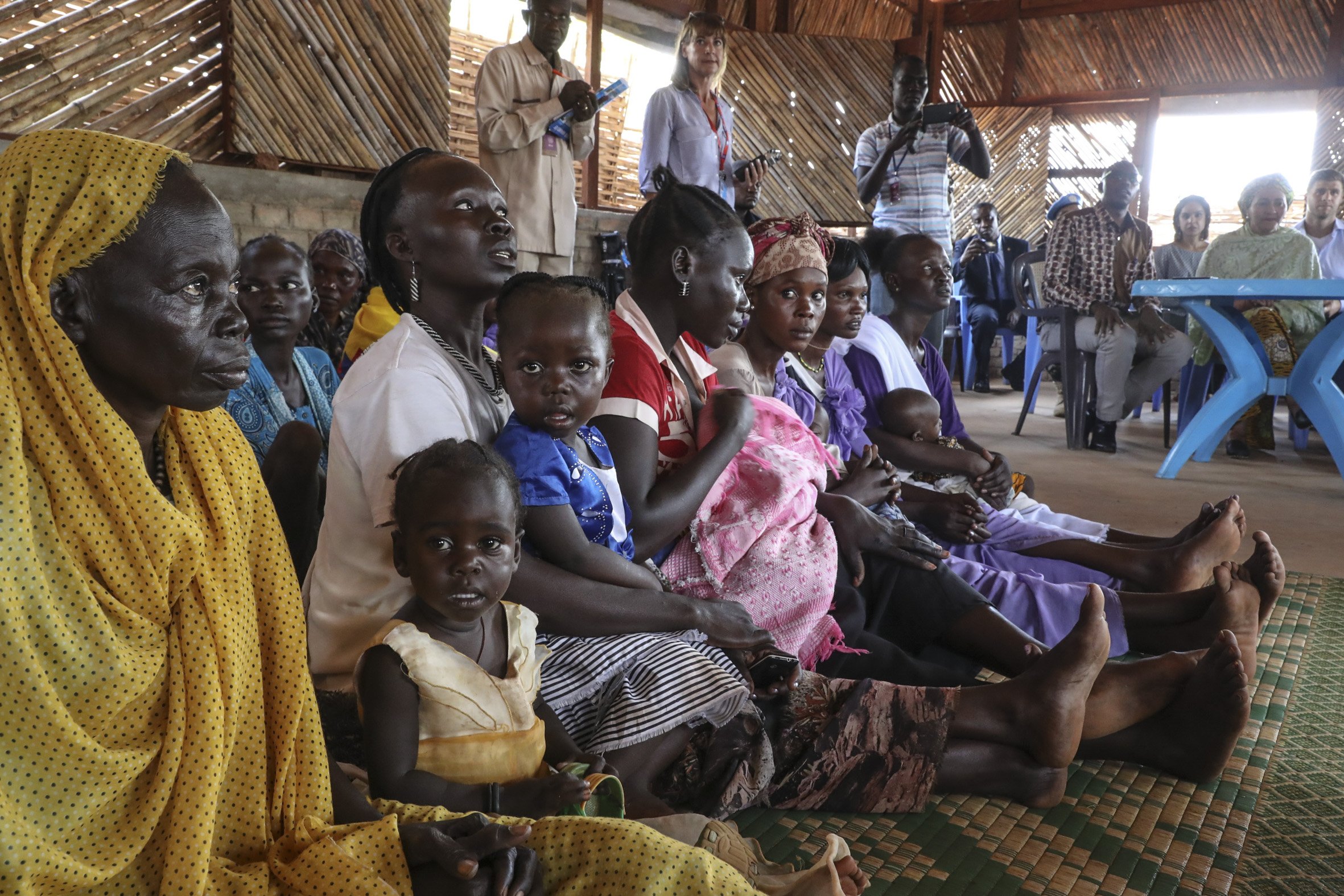
The political climate in the Global South is taut with civil conflicts and the devastating effects of climate change. In recent conflicts, governments have used individual freedoms and ecological safety as bargaining chips. This is exemplified by the ongoing civil war in Sudan.
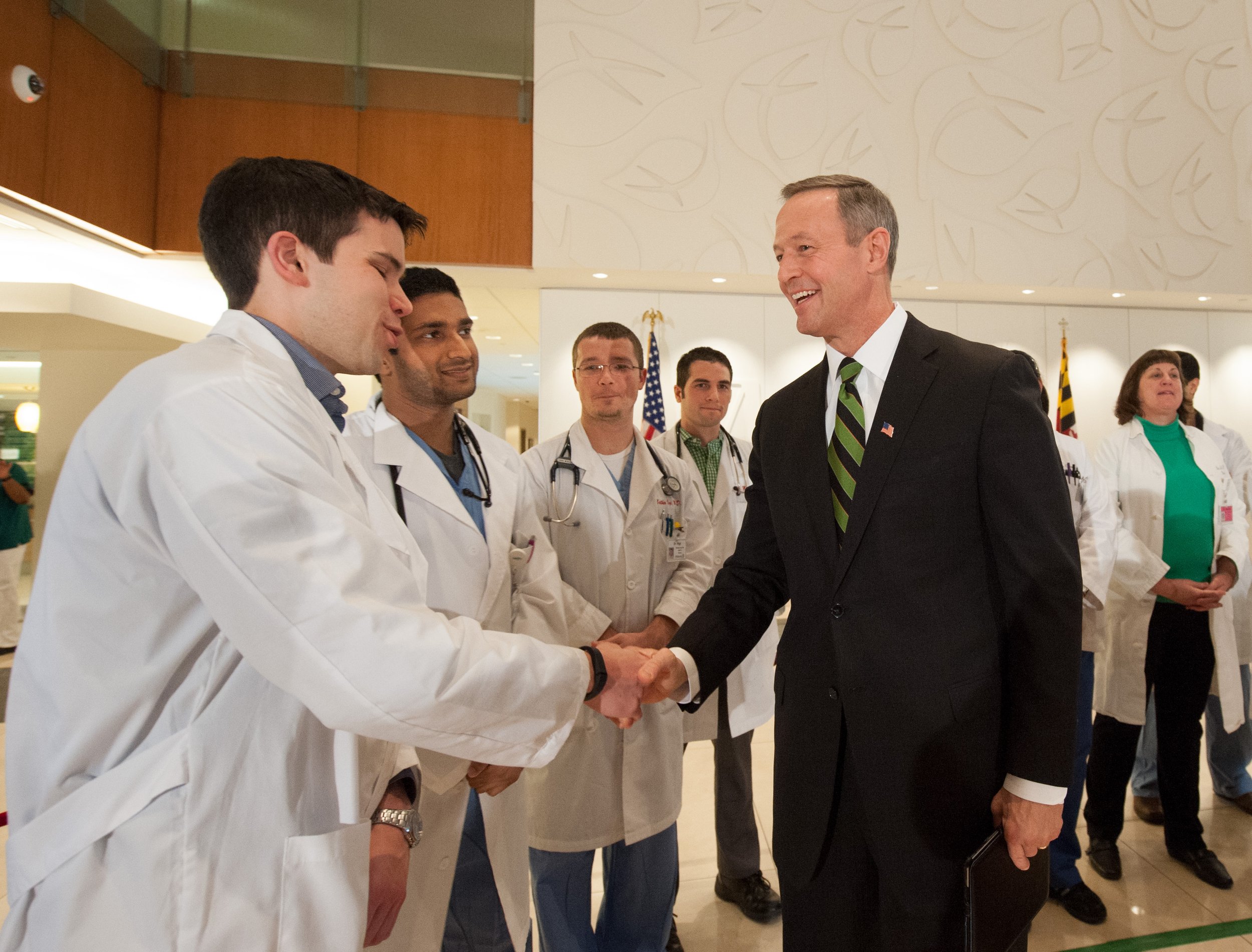
Global healthcare mergers promise innovation and efficiency, but do they deliver? Explore how cross-border takeovers are reshaping access, quality of care, and patient outcomes, revealing both opportunities and challenges in a rapidly consolidating industry.

China's rise on the global stage was facilitated in large part by an artificial export surge, the effects of which was dubbed the 'China Shock.' Now, with the country facing strong economic headwinds, Chinese leaders are trying to craft another export surge to revive growth. The U.S. may be in for another round of job loss and political turmoil.
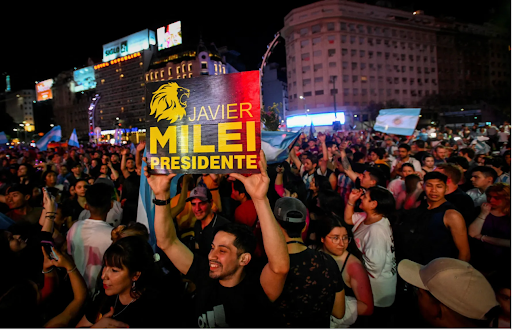
Argentina elected Javier Milei to the presidency, which has set an opportunity for a hard turn to the right. This approach could be financially and economically irreversible. Argentinian tolerance for such policies remains to be seen, but one thing is for certain: Milei’s plans for stabilization, including economic dollarization, would require a complete overhaul of current Argentine infrastructure.
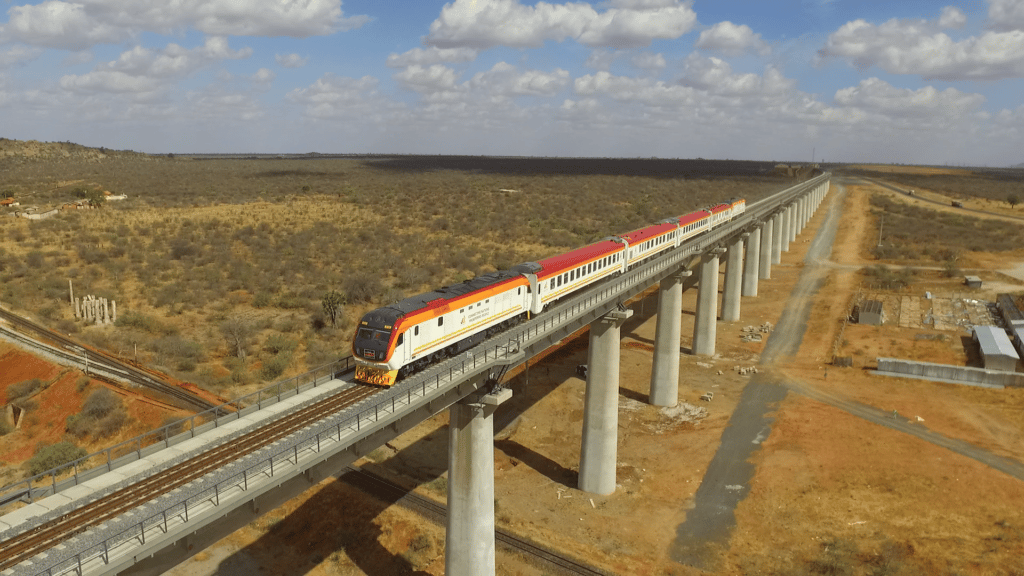
In the last twenty years, China has funded $170 billion worth of development projects in Africa under the “Belt and Road Initiative.” The initiative aims to connect Asia, Africa, and Europe through infrastructure, but the BRI has been met with skepticism. Questions about China’s intentions in the region and the BRI’s long-term effects on the economies involved are paramount to the West
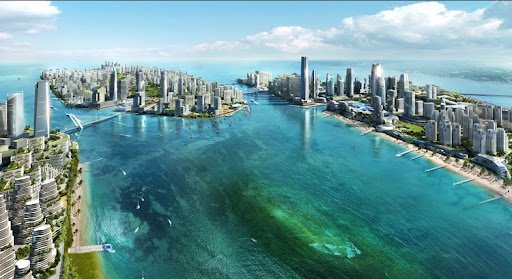
Malaysia’s Forest City, a $100 billion development project, is in question. Concern over China's involvement in the project, as well as the project’s lack of environmental integrity intertwine to create a consensus that the project is prioritizing foreign capital over Malaysians and the environment.
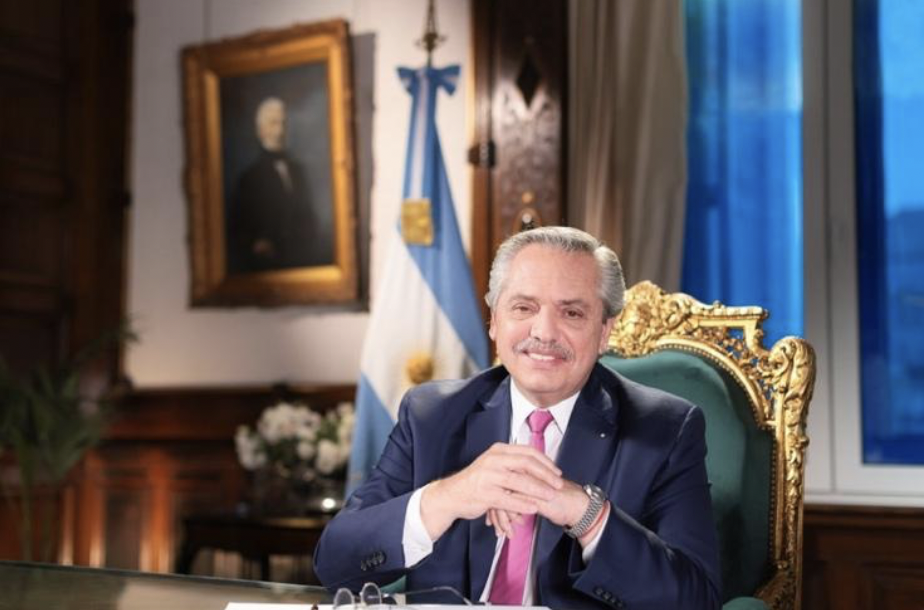
There’s an old saying that elections have consequences. For Argentina, this could never be more true. The country’s upcoming election in October is highly consequential as it faces issues regarding the economy, the environment, and politics.
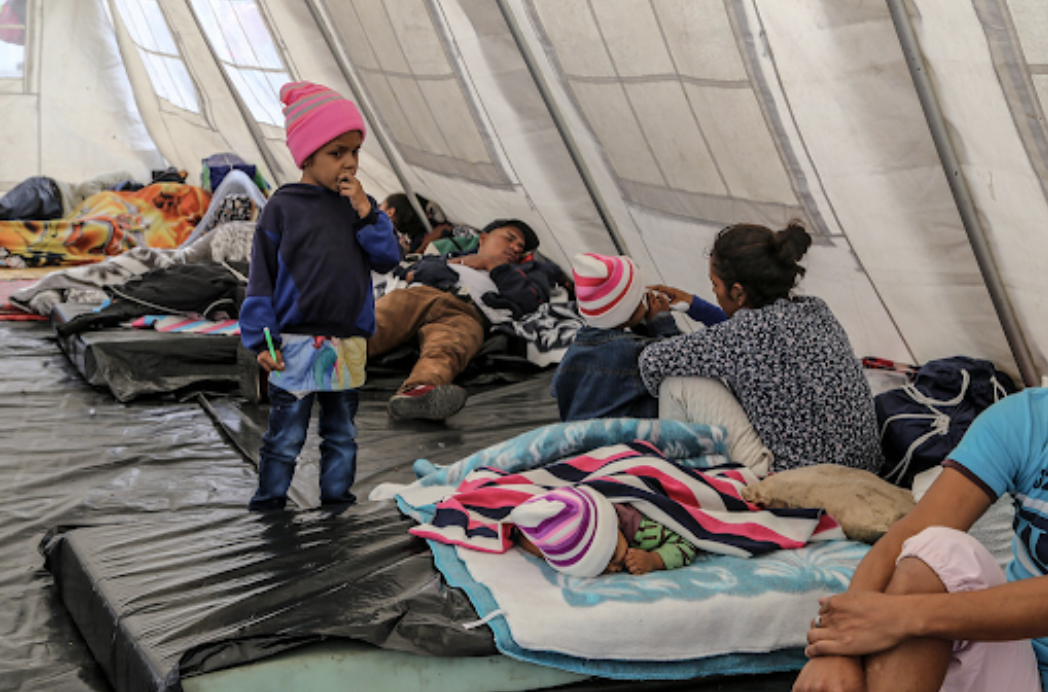



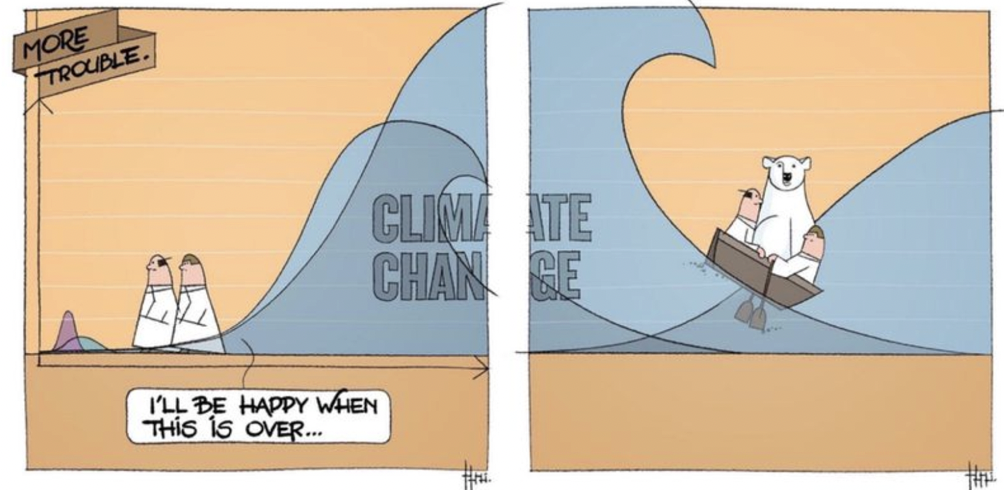
Managing Editor Rebeca Camacho discusses the plummeting in energy consumption due to COVID-19, and what this could mean for addressing the broader issue of climate change.

Developing countries have been largely omitted from the pandemic’s media narrative. The case of Bolivia demonstrates how a lack of healthcare and economic aid contributes to an even larger disparity between the developing and developed world.

The COVID-19 pandemic is stimulating the strengthening of Federalism in India. The response to the pandemic in different states contains a larger theme of autonomy from the center.
The post-COVID world may be a very different place to live. Due to rapid changes in geopolitics and social lives, we may find ourselves standing in unchartered territory.
Despite global actions to reduce sexism, women are still seen as legally inferior in many countries. Can technology help combat this social injustice?

The globalized, industrialized, and incessantly-driven economic world that we live in is similar to an amateur riding a bicycle. The moment he bears a shock, there is a genuine fear of halting down and falling off the ridge. The COVID-19 Pandemic is fast-emerging as the greatest shock of our times to the world economy.
Europe has been dealing with a refugee crisis for five to six years now, yet only one country has borne the brunt of it: Greece. The country's response: funding a floating barrier to deter migrants. By Raafiya Ali Khan
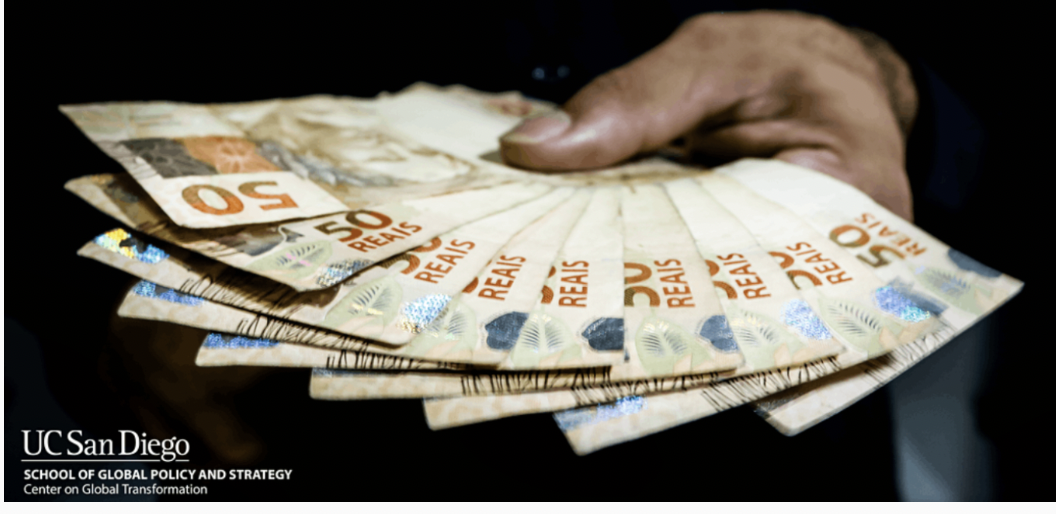
Staff writer and Managing Editor Rebeca Camacho covers UCSD event on the rise of right-wing populism in Latin America and the future implications for government spending on poverty alleviation programs.

Staff writer Sebastian Preising reports on the Venezuelan government's adoption of cryptocurrency in an attempt to pull the country's economy out of the deepest recession in modern history.
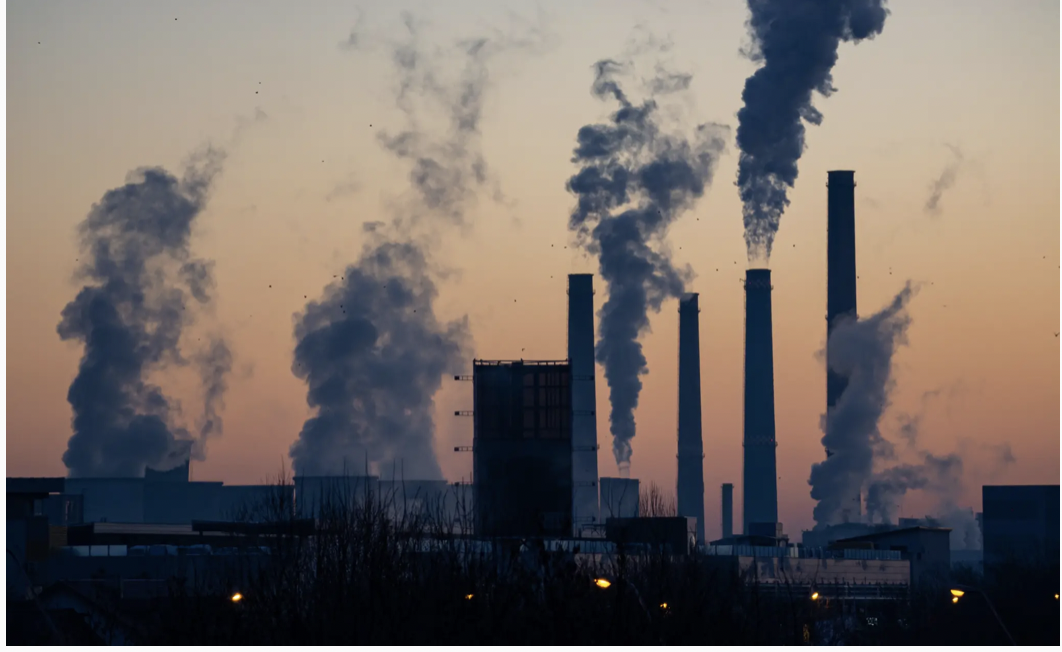
In face of the looming climate crisis, China must decide whether to pursue maintaining its steadfast economic growth or to implement climate-conscious measures.
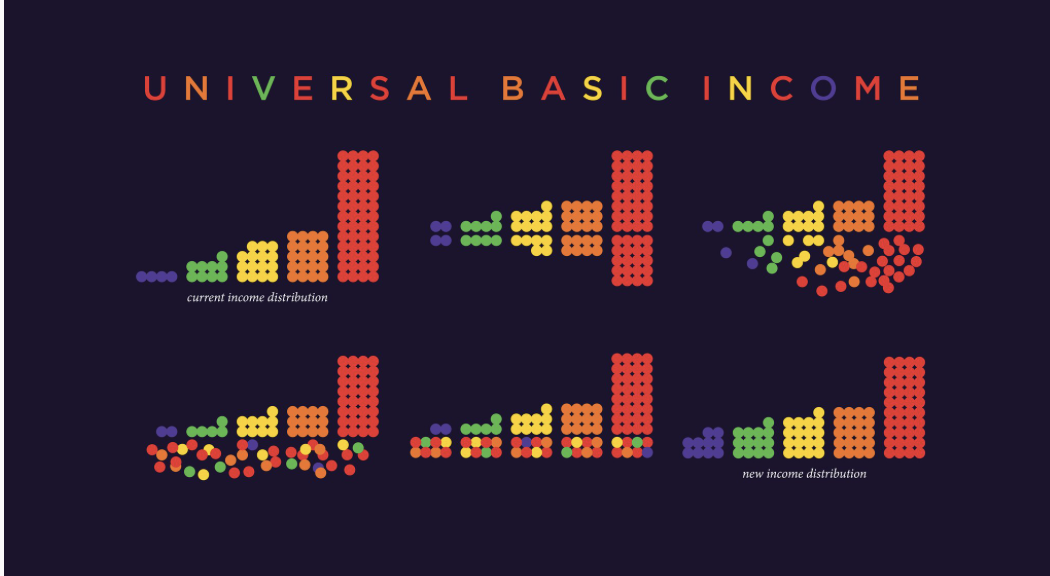
The back and forth of the best way to resolve wealth inequality may appear endless to most. Can a solution as simple as putting cash directly into the hands of the poor really have a profound effect on putting an end to poverty?
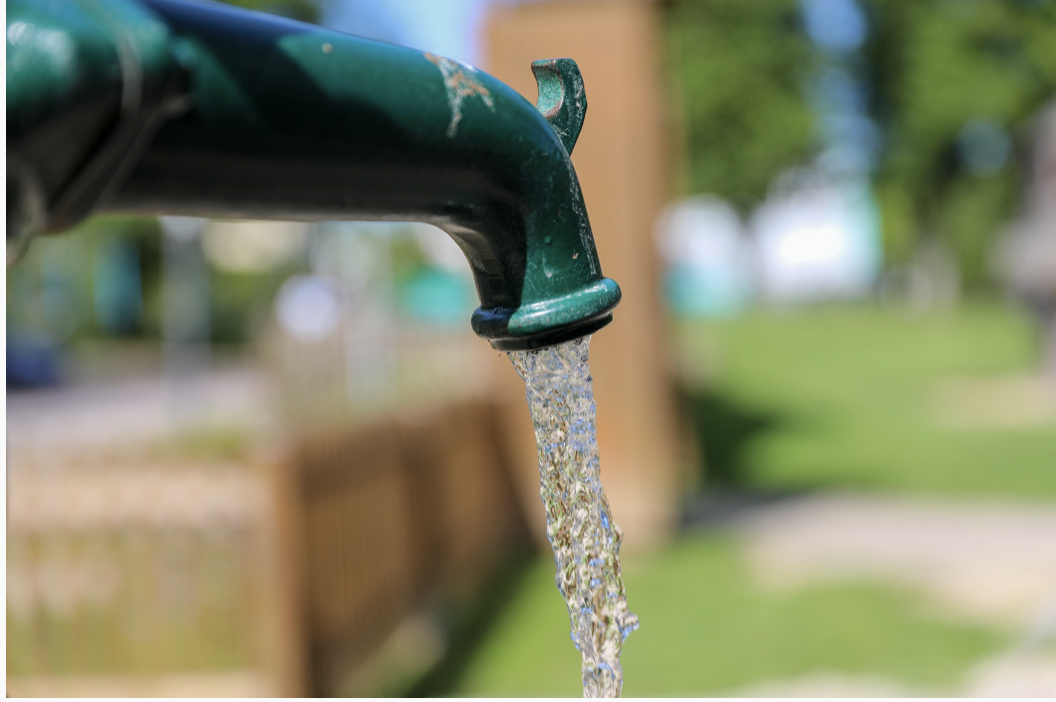
One of climate change’s notorious effects is the rising scarcity of clean water, leaving millions around the world without access to safe drinking water. In the midst of this growing global crisis, could artificial intelligence be the innovate solution we urgently need?

Research has shown that high-quality ECEC lessens the inequality gap between children of disadvantaged and advantaged backgrounds, increasing the income potential and opportunities for upward social mobility for low-income children later in life. Thus, the US should follow in the footsteps of Nordic countries by improving its ECEC system.
Despite global actions to reduce sexism, women are still seen as legally inferior in many countries. Can technology help combat this social injustice?
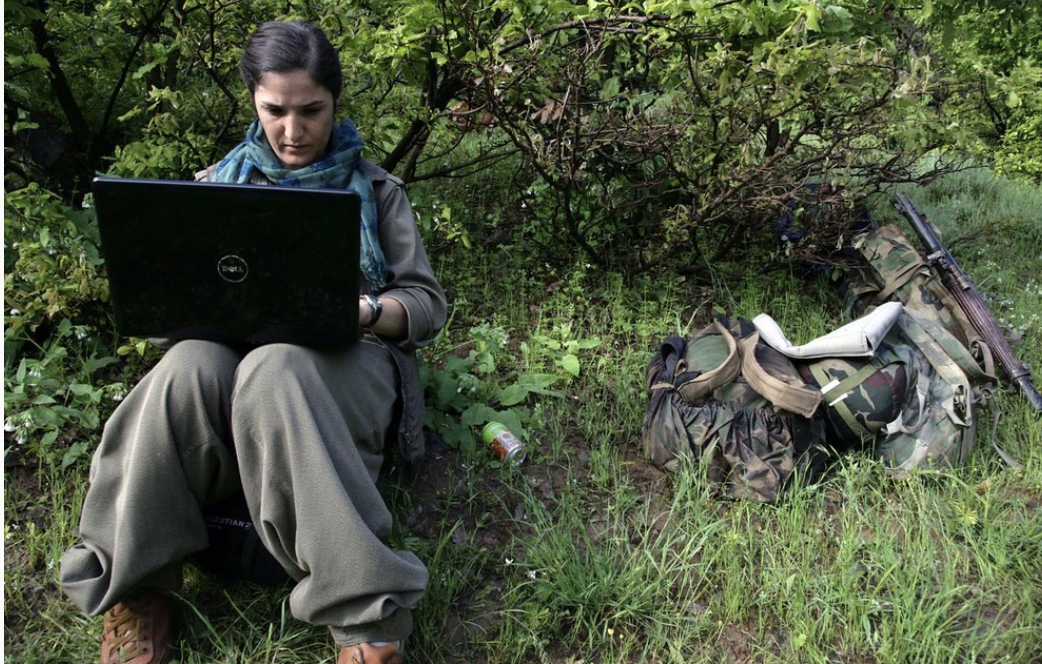
A prominent women’s movement has come to thrive in an unlikely place: Kurdistan. With insight from a Kurdish scholar, it becomes evident that Kurdish women’s political activism, role in guerilla fighting, and superb organization should serve as an exemplar for the American feminist movement.
The back and forth of the best way to resolve wealth inequality may appear endless to most. Can a solution as simple as putting cash directly into the hands of the poor really have a profound effect on putting an end to poverty?
While student loans may be categorized as the gateway to a chance at a better future, the price we pay for our education has increasingly become a matter of reaching the bottom-line for many of our academic institutions. Staff writer David Ramirez speaks on the challenges students face in taking on student loans, and gives some insight on how to mitigate the financial burden.
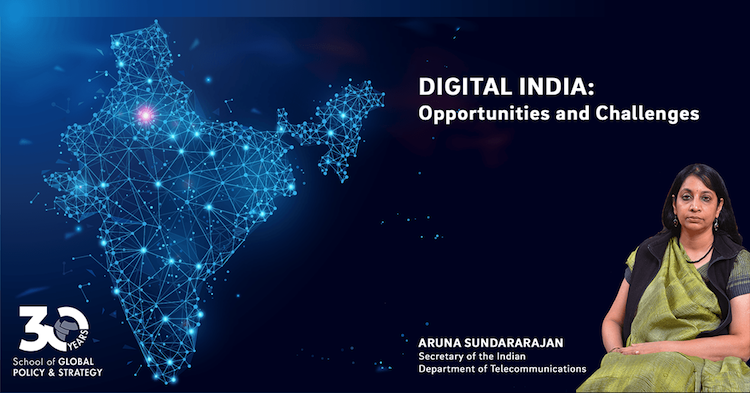
Staff Writer Pankhuri Prasad covers a GPS event on India's technological advancement.

Editor in Chief Mekalyn Rose discusses the racial and political origins of U.S. drug policies and their consequential role in shaping the growing opioid crisis.
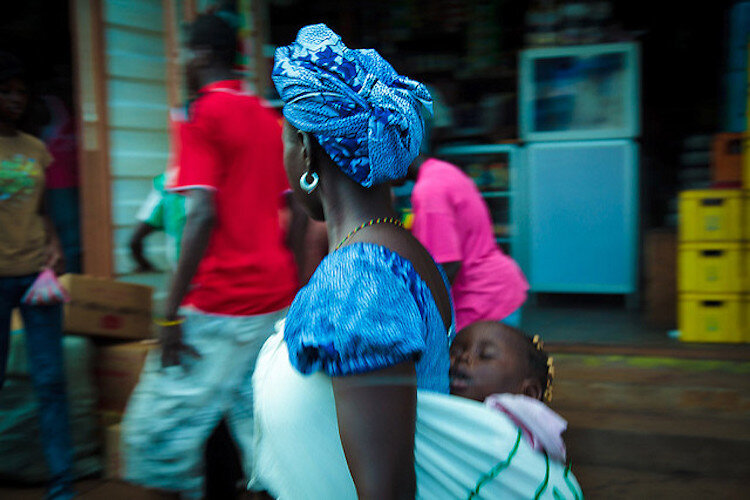
Contributing Writer Ami Bhakta proposes educational initiatives to end female genital cutting in Sierra Leone.

Staff Writer Bailey Marsheck argues that inadequate reach of education has limited Nepal's ability to keep up with the advancement of its neighbors. However, changes may be on the horizon.
Staff Writer Madisen Ro interviews UCSD students about their international backgrounds and identities

UCSD Student Aisha Subhan explains in an op-ed why UCSD should help Syrian refugees.

Guest Writer Shahbaz Shaikh analyzes the impact of Betsy Devos' plans on American Education and how this will in turn affect the American Dream.

This is the second installment of a new weekly feature which will provide a brief summary of the week’s most prominent actions by the Trump Administration, as well as discussing some of their implications. The discussion of each topic will be relatively brief by necessity; please contact us if you feel we have neglected a significant action by the Administration or an important aspect of any issue.

The Global Forum at UCSD hosts panelists discussing various important issues. This week, they discussed the consequences of the next four years regarding the aftermath of the election of Donald Trump.
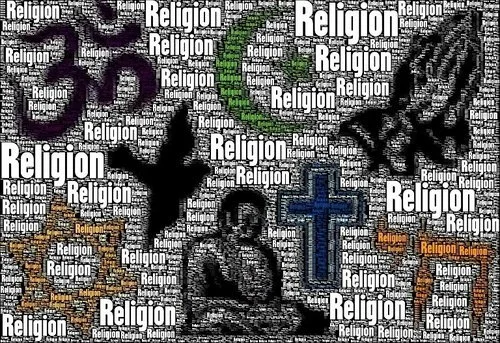
Staff Writer Lauren Lam takes a look at the unjust freedom of religion ever so promised in France and Canada.
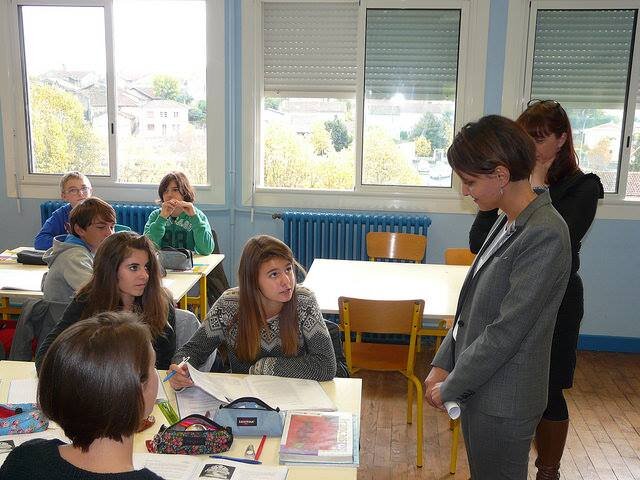
Staff Writer Becky Emrick discusses the forecasted changes in France's education system.
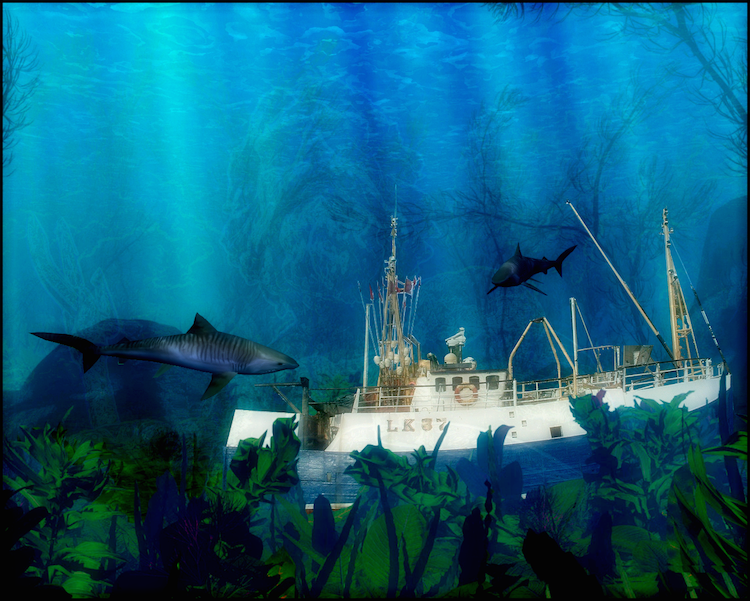
Might video games be able to help further the cause of ocean conservation? By Contributing Writer Annam Raza.
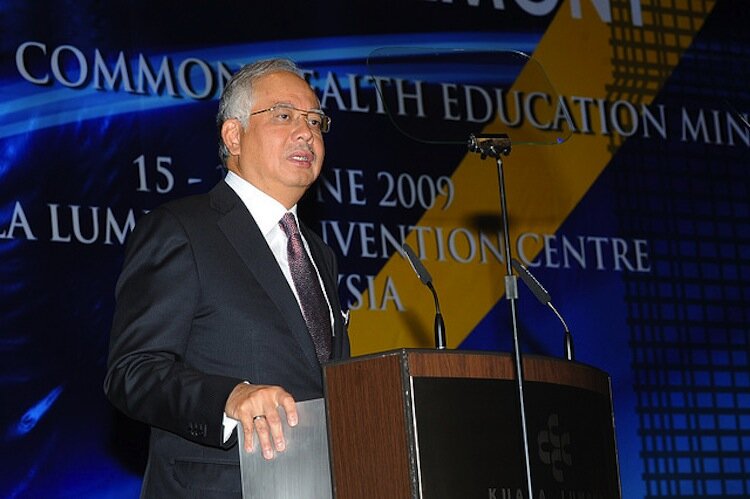
Staff Writer Kristopher Klein makes the case for supranational education reform in Southeast Asia as ASEAN continues to grow, develop and integrate economically.

Staff Writer Jubilee Cheung takes a look at the issue of school overcrowding, and the problems it's creating for public and religious schools alike.
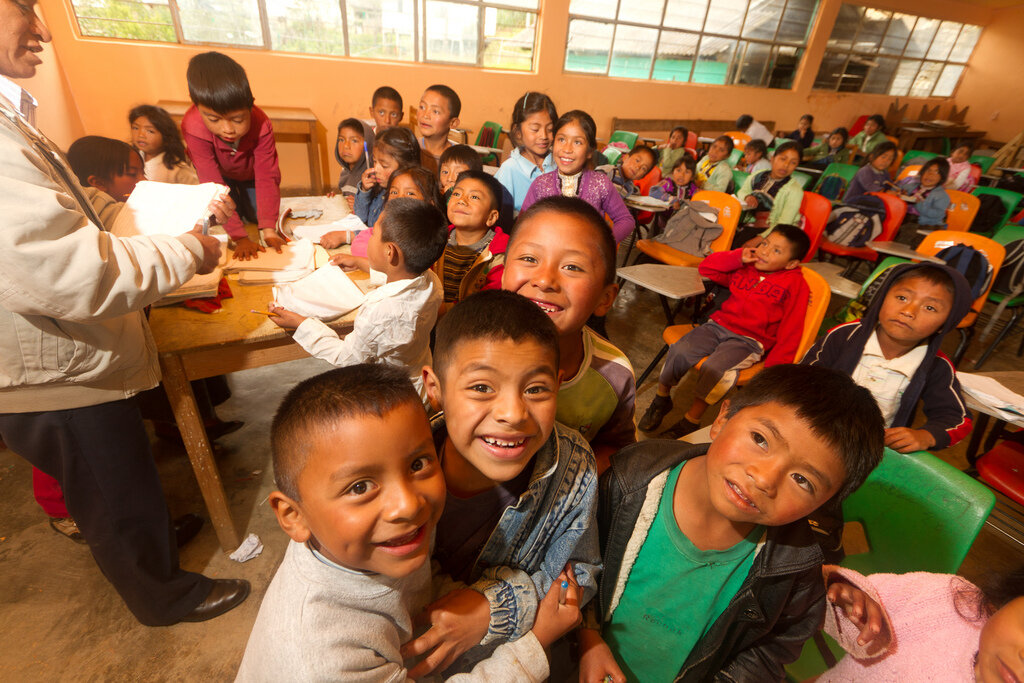
A conversation on education reform in Mexico. By Justin Lesniak

The United States' approach to education doesn't seem to be getting it anywhere, despite being one of the most expensive per student. To improve, should we follow Finland's lead? By Staff Writer Jubilee Cheung
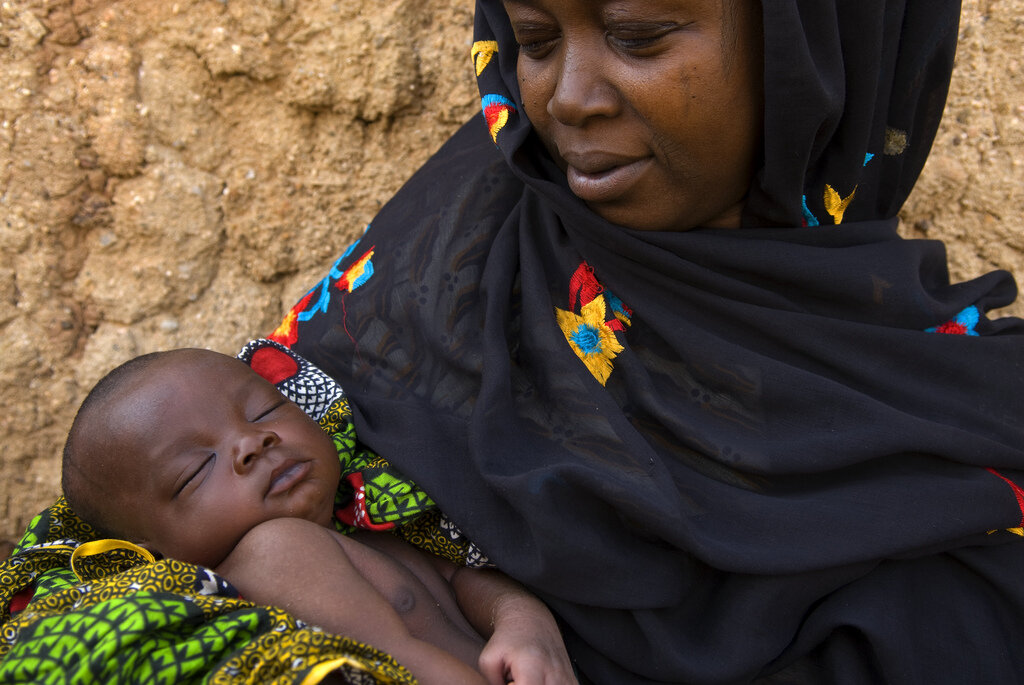
Contributing Writer Matthew Kucharski discusses an alternative to combating Nigeria's maternal health crisis.
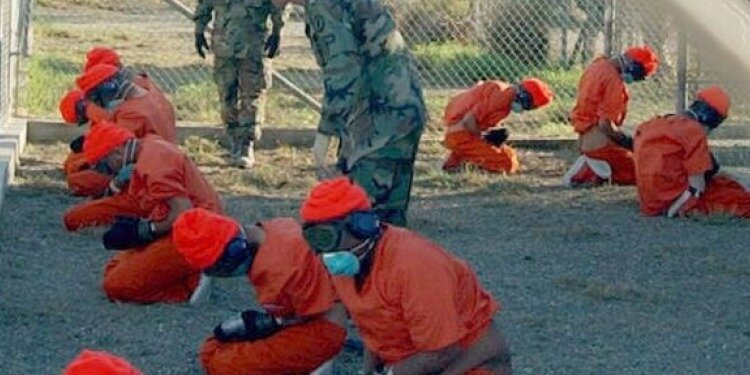
How do hunger strikes satiate an oppressed people's desire for human rights and dignity? By Aoife O'Leary-McNiece, Staff Writer
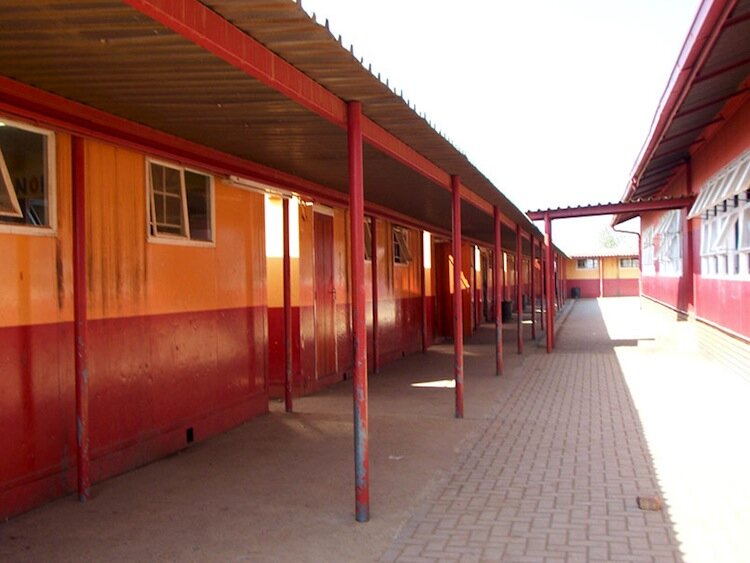
Children are the real victims of teacher's strikes in South Africa. By Alexis Coopersmith, Staff Writer

A human right violation, a hindrance to the country’s development. By Anouck Dubois, Contributing Writer
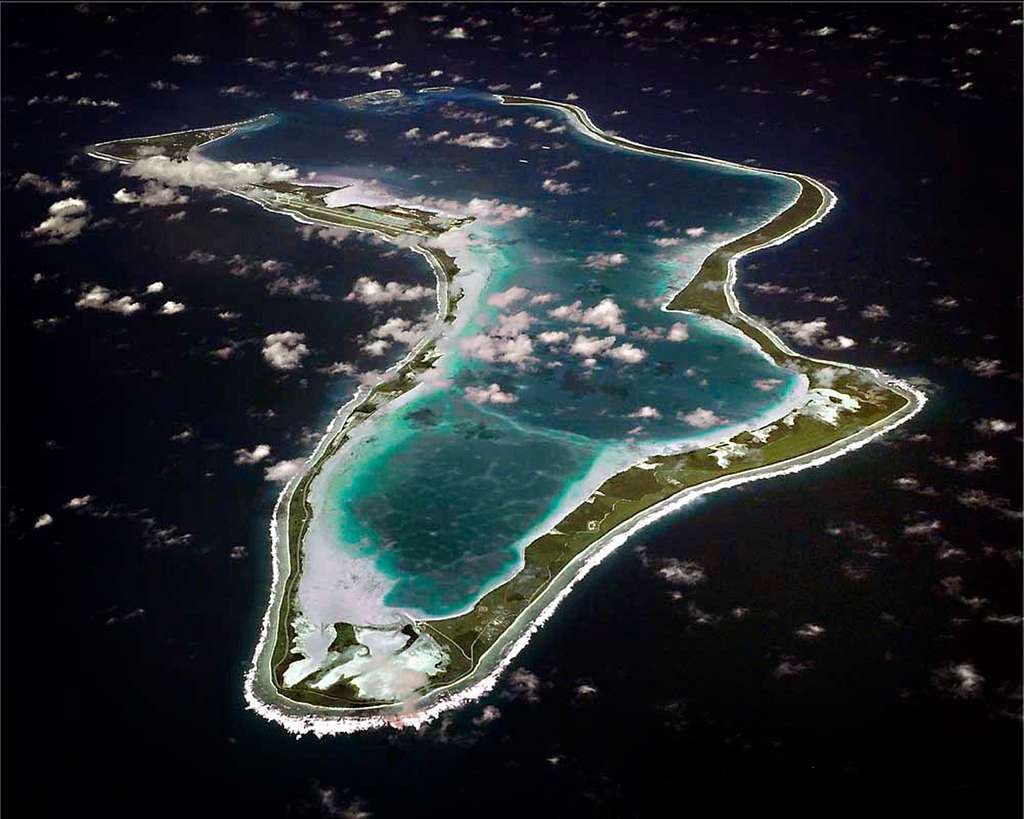
On October 3, Mauritius and the United Kingdom reached a “historic agreement,” where the latter nation agreed to cede its contentious overseas territory — known as the British Indian Ocean Territory (BIOT) — to Mauritius. Coming after 13 rounds of negotiations and decades of international pressure, the landmark agreement marks the end of Britain’s colonial presence in Africa.
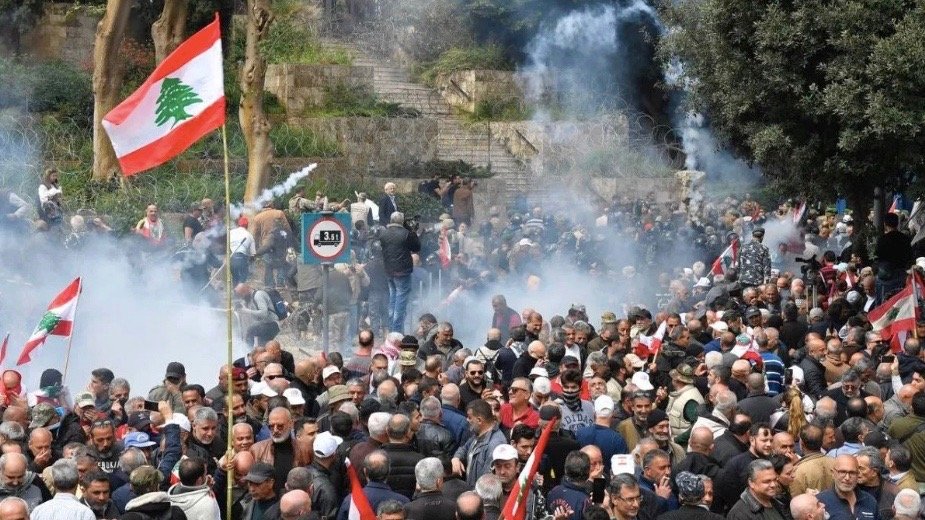
Current conflicts in the Middle East are resulting in significant displacement and devastation, fracturing the lives of Lebanese citizens. On top of an already spiraling economy, the divided Lebanese government is not well equipped to help its suffering citizens. Despite these challenges, Lebanese citizens have remained resilient, helping to house and feed their displaced neighbors.
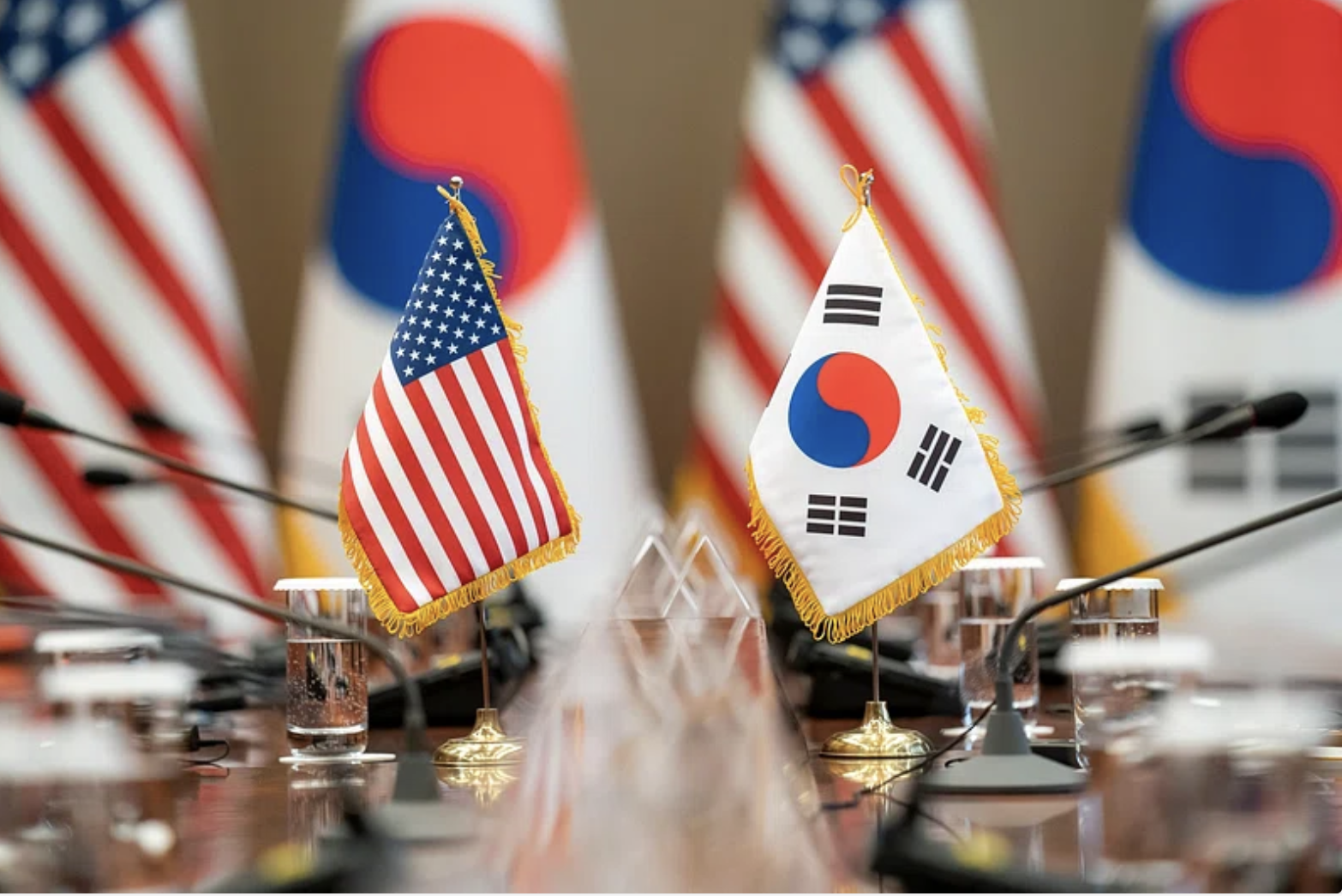
When President Trump returns to power on January 20th, 2025, he's poised to initiate a withdrawal of potentially thousands of U.S. troops from South Korea. If he does so, historical precedent would lead us to believe that the communities which have risen up alongside U.S. military bases will be hit hard as a result.

With the recent CHIPS Act coming out of the Biden-Harris administration that prioritizes private sector investment, many are concerned about the security of the U.S. and China’s rapidly advancing microchip ecosystem. What was once merely a concern over market values and tariffs has become a major international security issue. Understanding the history of what has become known as the contemporary “Microchip War” illuminates attitudes that parallel that of the Cold War and dictates the future of many international security issues.
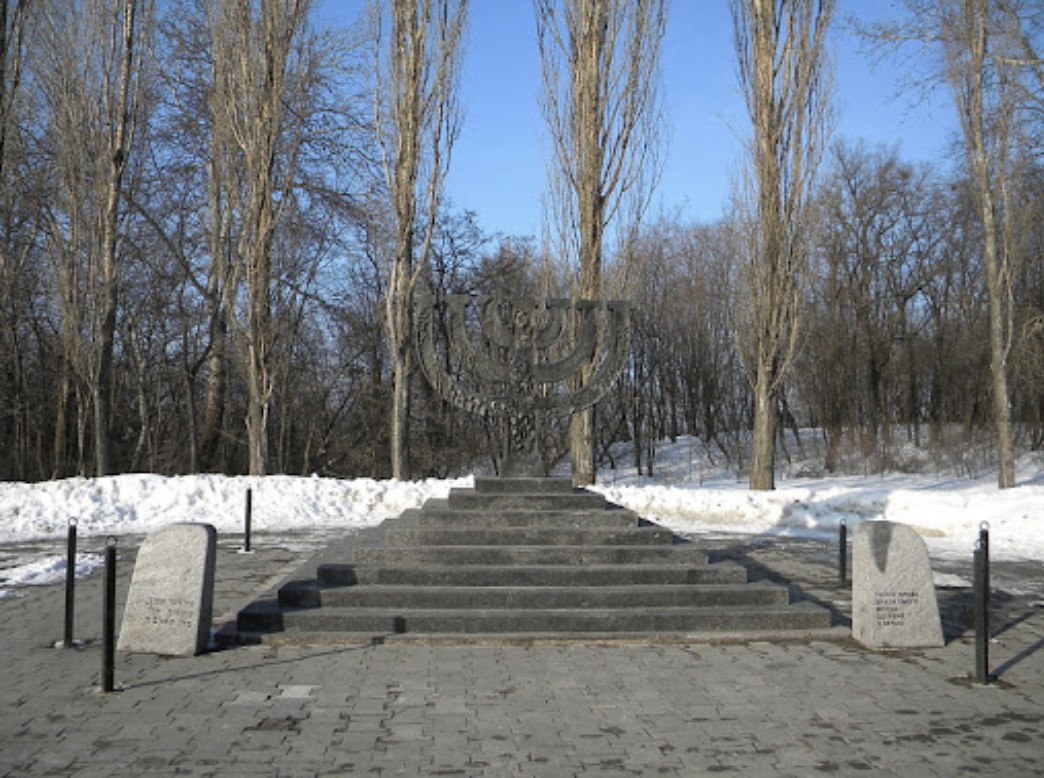


In 2011, the Syrian Civil War placed refugees on the global stage. Five years later, we only hear about refugees at campaign rallies. What is their situation today?
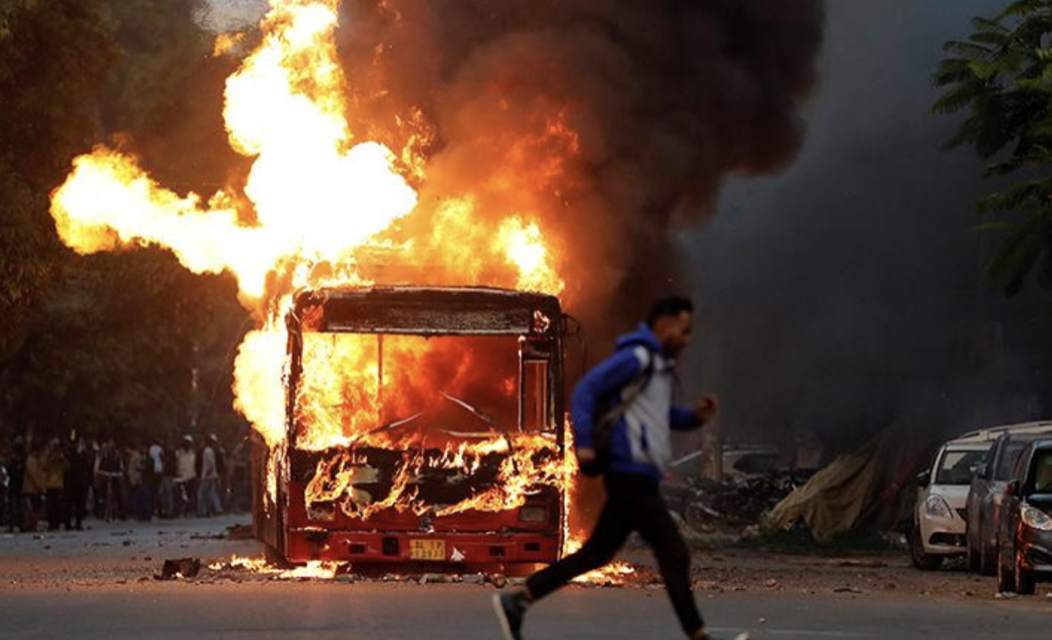
Staff writer Isana Raja comments on India's new Citizenship Amendment Act passed by PM Modi and the implications for religiously-persecuted Muslims.
Europe has been dealing with a refugee crisis for five to six years now, yet only one country has borne the brunt of it: Greece. The country's response: funding a floating barrier to deter migrants. By Raafiya Ali Khan
One of climate change’s notorious effects is the rising scarcity of clean water, leaving millions around the world without access to safe drinking water. In the midst of this growing global crisis, could artificial intelligence be the innovate solution we urgently need?
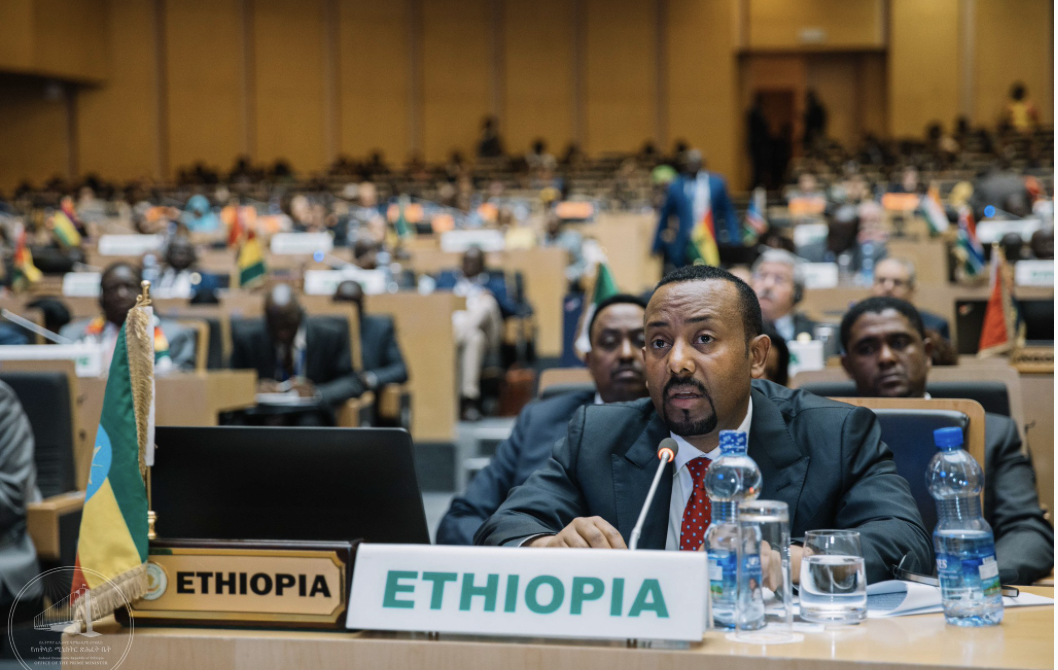
Abiy Ahmed, the Prime Minister of Ethopia, achieved international recognition in 2019 for brokering a peace deal with Eritrea and winning the Nobel Peace Prize. Now, he faces new political opponents, challenging the stability he was praised to have won.
Amidst national political unrest, Bolivia's change in leaders has the nation divided. Staff writer Marc Camanag delves into the extent of influence that Evo Morales left on the people of Bolivia.
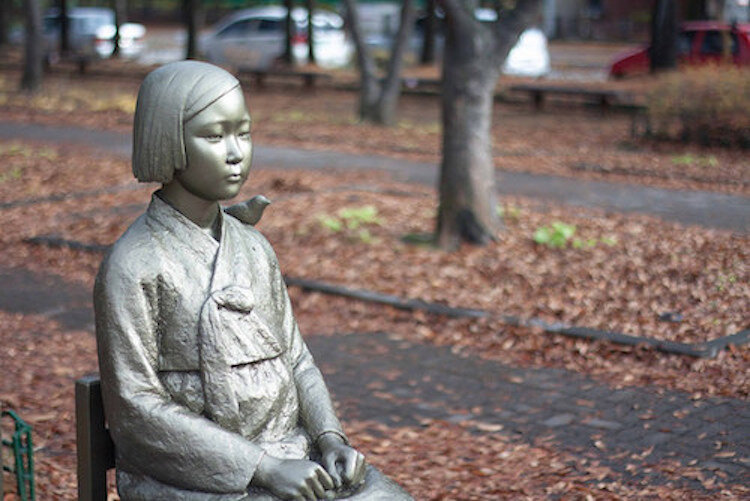
Staff Writer Deborah Jeong discusses revived talks on the controversial Comfort Woman during World War Two and its potential to further propel the #MeToo movement

Contributing Writer Ahmad B. Shanaa provides a background of the current economic and political crisis in Venezuela.
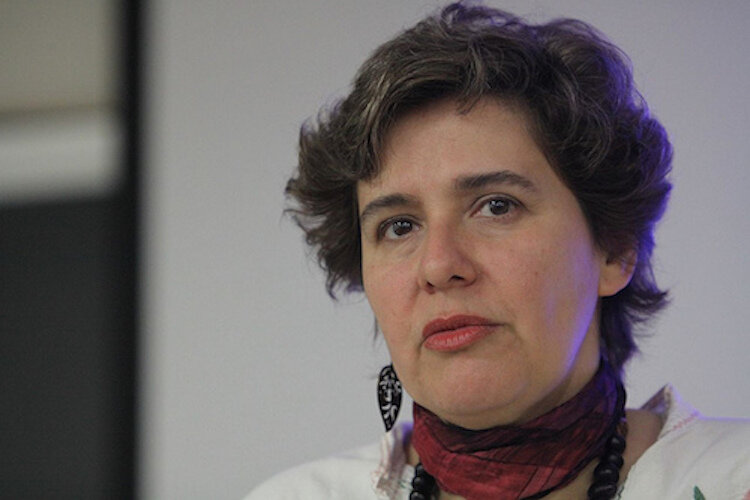
Staff Writer Cristina Hernandez covers a GPS event on "Argentina's Dirty War" and the survival story of Patricia Isasa

Staff Writer Ethan Azad describes the CIA's first coup in Iran and the effects of media propaganda.
Editor in Chief Mekalyn Rose discusses the racial and political origins of U.S. drug policies and their consequential role in shaping the growing opioid crisis.
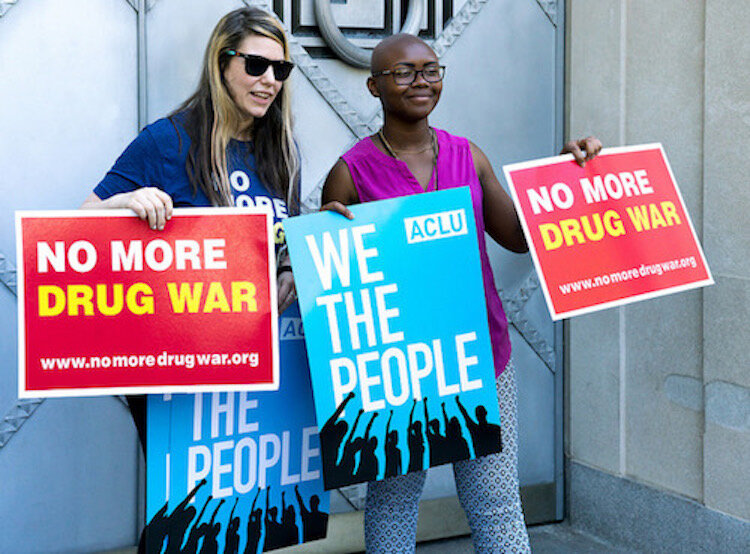
Staff Writer Mekalyn Rose discusses the effectiveness of illicit drug decriminalization and treatment plans implemented in Portugal.
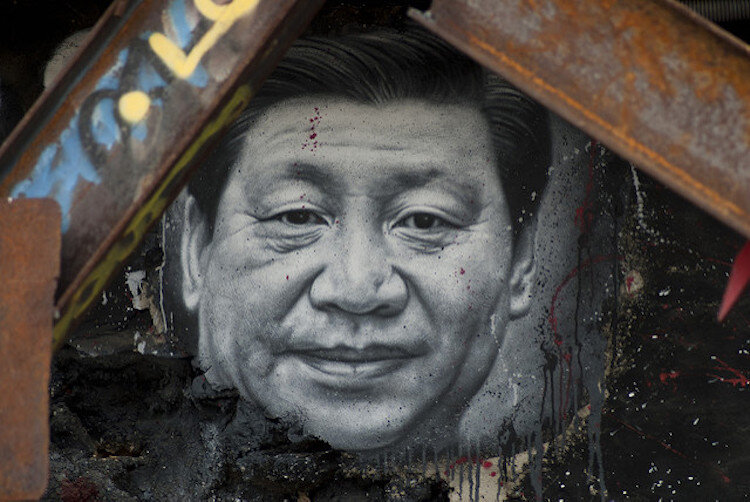
Staff Writer Madisen Ro analyzes the potential consequences of increasing presidential power in China and the signs of a political shift towards authoritarianism

Staff Writer Sneha Naren reports on the discussion over Israeli settlements and annexation of Jerusalem at I-House's Global Forum
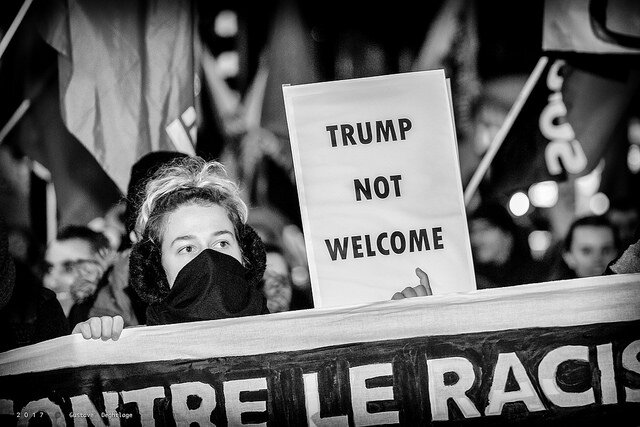
Staff Writer Eden Allegretti examines the United States' international reputation under the Trump Administration.
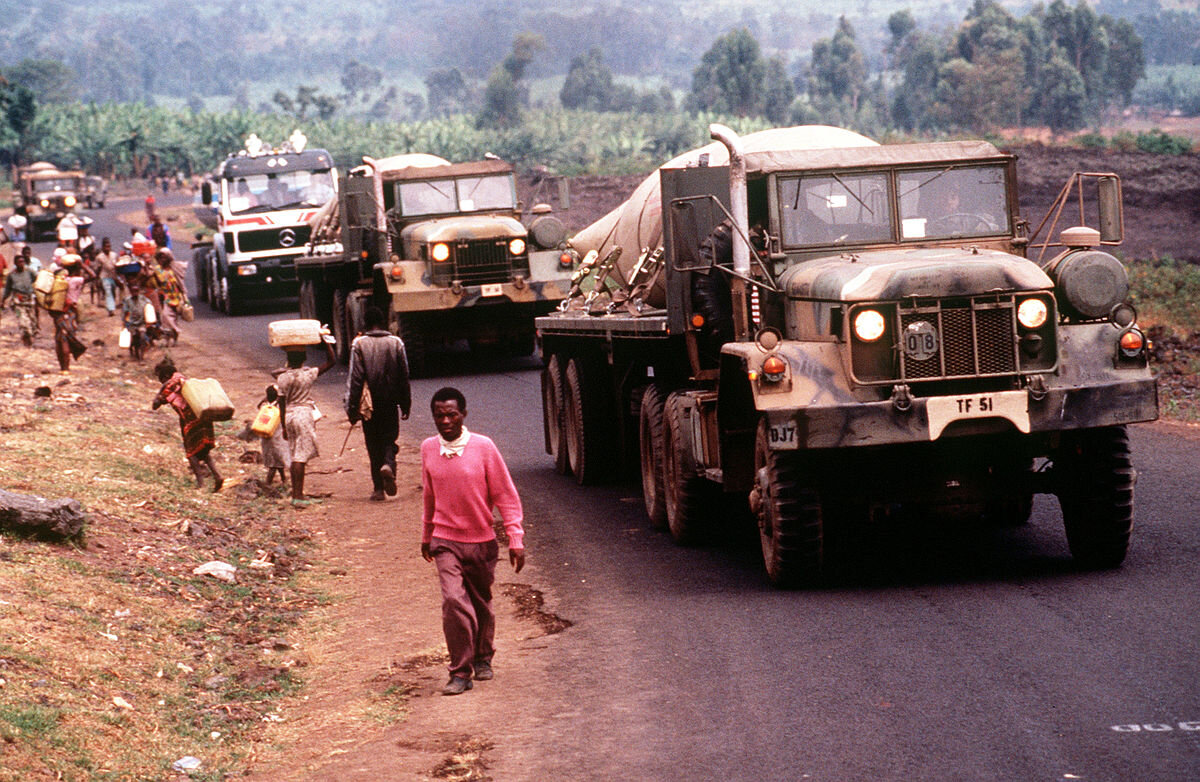
Staff Writer Eden Allegretti discusses history of the Rwandan Genocide and the influence and lack thereof, of the international community.
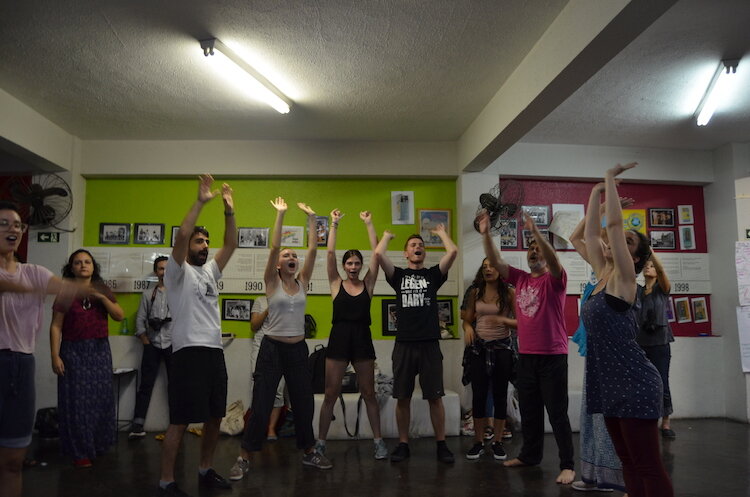
Editor-in-Chief Liliana Torpey gives an overview of participatory theater known as "Theater of the Oppressed" and explores the importance of art in social transformation.
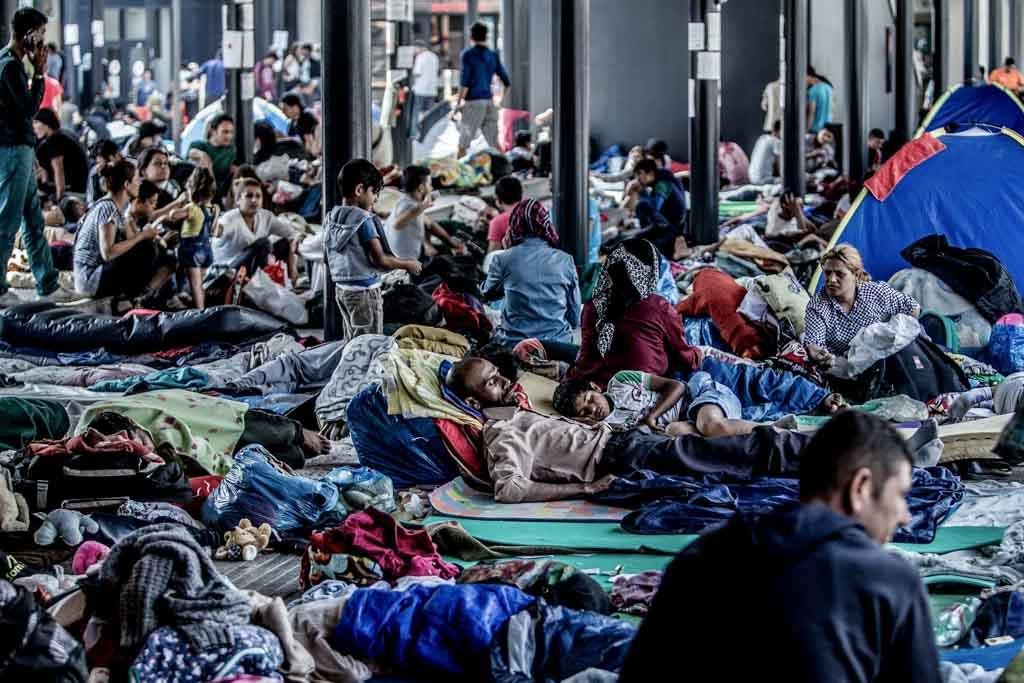
The aftermath of Title 42’s end deepened the social controversy regarding immigration policy and since then, political polarization on the issue has only increased. Ever since, American immigration policy has been left in disarray; migrant arrivals continue to rise and candidate platforms grow more disunited on immigration gearing up for the November election.

Despite the known risks, immigrants continue to attempt the journey from Africa to Europe every day. The last 15 years have seen a dramatic increase in African migrants trying to make it to Europe. These facts beg the question; if the path is so dangerous, why do they continue to go?

Despite claims that sports and politics don’t mix, football seems to be an increasingly prominent feature of global governance. The 2022 FIFA World Cup was a glaring example of sportswashing– the use of sports to enhance reputation or influence. Some of football’s biggest club teams are financed by sovereign wealth funds or energy drink companies, while the sport’s biggest stars are plying their trade in the Saudi Pro League. The trend of state-sponsored politicization seems to be spreading to the women’s game; concerns are being raised ahead of this summer’s 2023 FIFA Women’s World Cup, held in Australia and New Zealand.


The Hungarian Parliament has given Prime Minister Victor Orbán dictatorial power. The EU and NATO must reexamine Hungarian membership.
Developing countries have been largely omitted from the pandemic’s media narrative. The case of Bolivia demonstrates how a lack of healthcare and economic aid contributes to an even larger disparity between the developing and developed world.
Sex work provides income for over 42 million people worldwide. However, due to the COVID-19 pandemic, this “close-contact” profession is now banned, rendering many distraught, unemployed, and at high risk of contraction of the virus.

Rodrigo Duterte’s zero tolerance policy for illegal substances already has many frightened for their lives. Now, the circumstances of COVID-19 are giving Duterte room to broaden his regime of cruelty.
In 2011, the Syrian Civil War placed refugees on the global stage. Five years later, we only hear about refugees at campaign rallies. What is their situation today?
Despite global actions to reduce sexism, women are still seen as legally inferior in many countries. Can technology help combat this social injustice?
Staff writer Isana Raja comments on India's new Citizenship Amendment Act passed by PM Modi and the implications for religiously-persecuted Muslims.
Europe has been dealing with a refugee crisis for five to six years now, yet only one country has borne the brunt of it: Greece. The country's response: funding a floating barrier to deter migrants. By Raafiya Ali Khan
A prominent women’s movement has come to thrive in an unlikely place: Kurdistan. With insight from a Kurdish scholar, it becomes evident that Kurdish women’s political activism, role in guerilla fighting, and superb organization should serve as an exemplar for the American feminist movement.
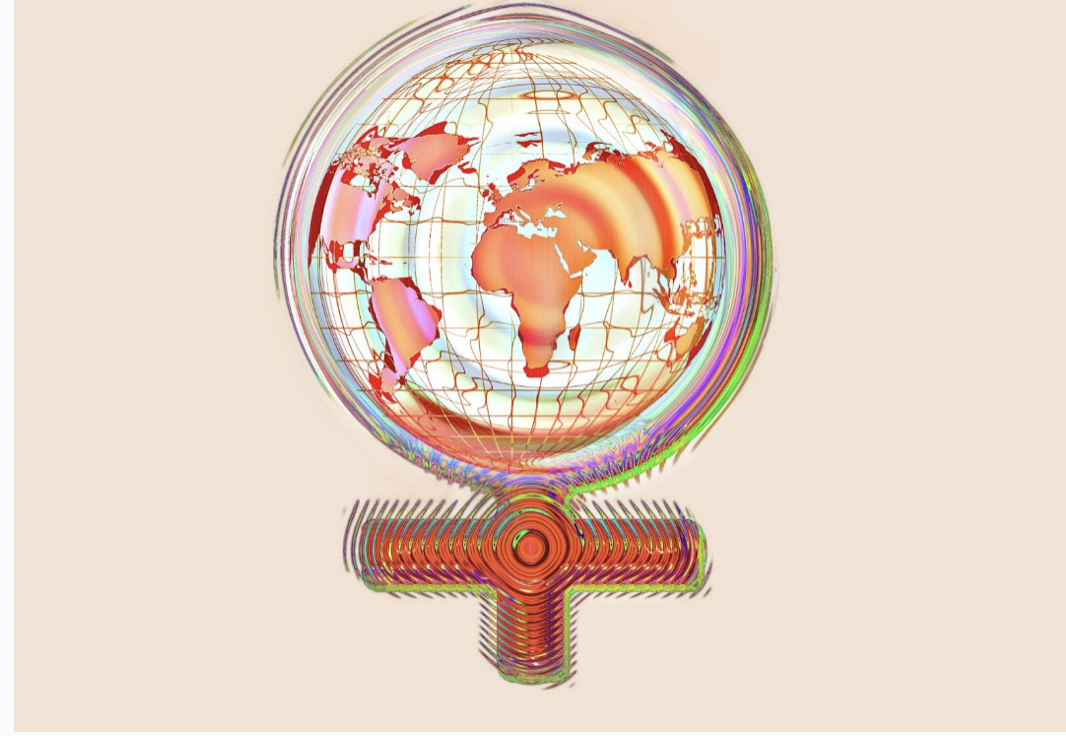
Staff writer Pankhuri Prasad spotlights the emergence of feminist foreign policy in the commitments of world leaders in setting their international agenda.
Abiy Ahmed, the Prime Minister of Ethopia, achieved international recognition in 2019 for brokering a peace deal with Eritrea and winning the Nobel Peace Prize. Now, he faces new political opponents, challenging the stability he was praised to have won.
Amidst national political unrest, Bolivia's change in leaders has the nation divided. Staff writer Marc Camanag delves into the extent of influence that Evo Morales left on the people of Bolivia.
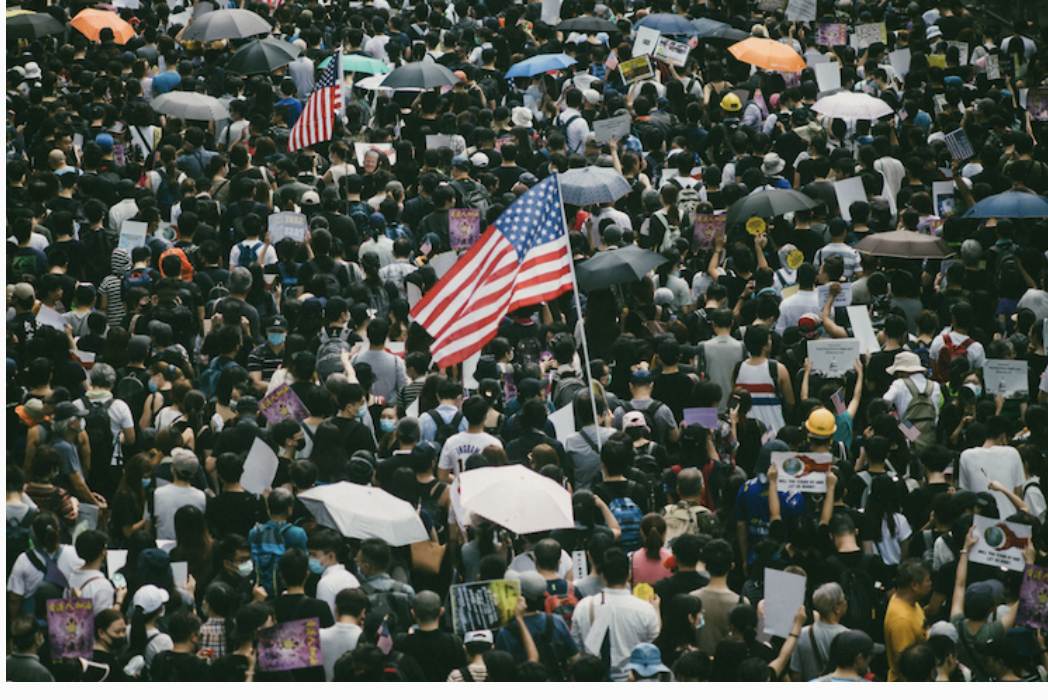
As Hong Kong is in the midst of political mayhem, staff writer Rachel Chiang spotlights the various forces driving the protests, and spotlights the human rights abuses that are occurring as a result.
The 1947 partition of India and Pakistan was anything but a clean divide. Based largely along religious lines, the move was meant to place the large population of muslims into Pakistan. Muslims in India have had a well documented history of discrimination, but are the conditions for Pakistani Hindus any different?
How much responsibility do companies bear in speaking out on politically salient issues? What happens when speaking out has a direct impact on their profits? Staff writer Nicholas Kishaba on the recent case of China and the NBA.
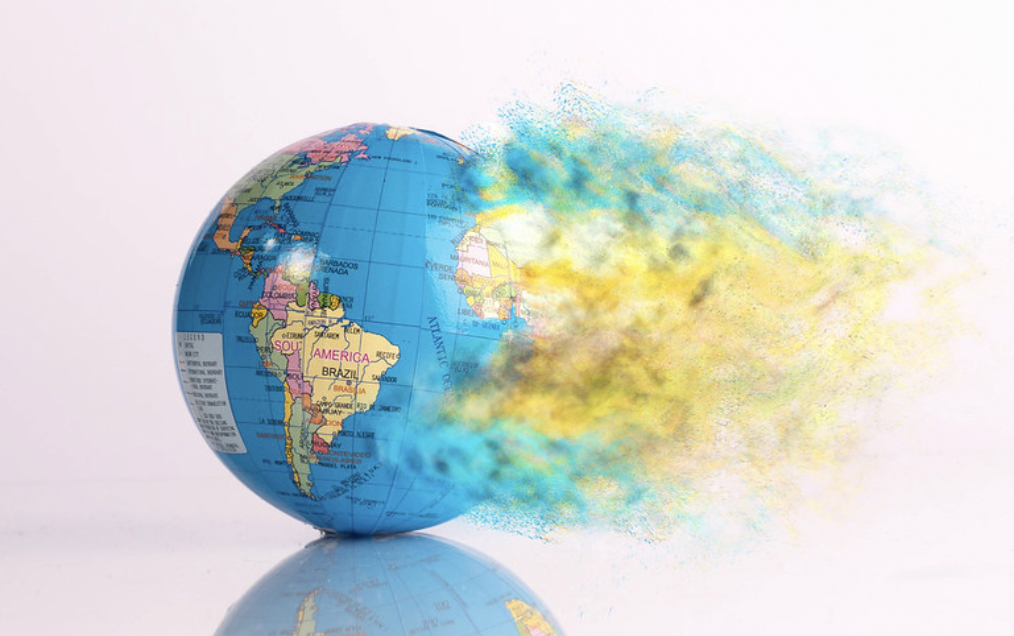
The Prospect Executive Board provides critical background and context behind the global surge of Climate Refugees, in preparation for the upcoming IHouse Global Forum "The Science and Discourse of Climate Refugees"
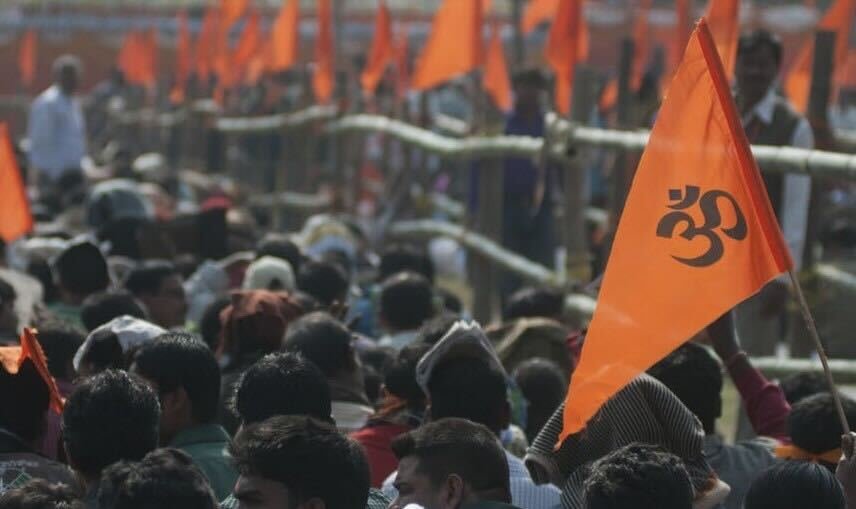
While Prime Minister Narendra Modi has championed Hindu cultural values within India, his approach to foreign affairs tells a different story. Rather than letting religious ideology guide international relations, Modi's government has maintained India's traditional balancing act between world powers. From continuing Russian oil purchases during the Ukraine war to providing aid to Gaza while supporting Israel, India's foreign policy remains driven by practical interests rather than nationalist sentiment.
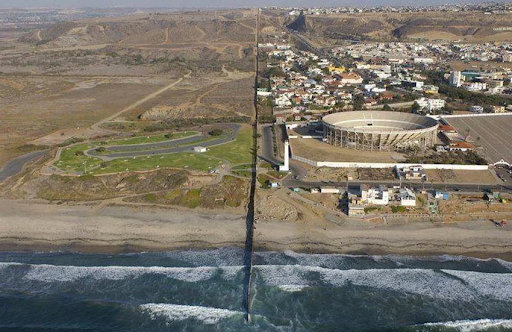
The border between Mexico and the United States is a stark dividing line between distinct nations. The border has become increasingly militarized, serving as a checkpoint to police flows of goods and people. But the border serves many purposes beyond just security. It is a key channel of international trade, a symbol of both division and unity. Many scholars and activists are drawing attention to these complexities, advocating for a reimagining of the space.
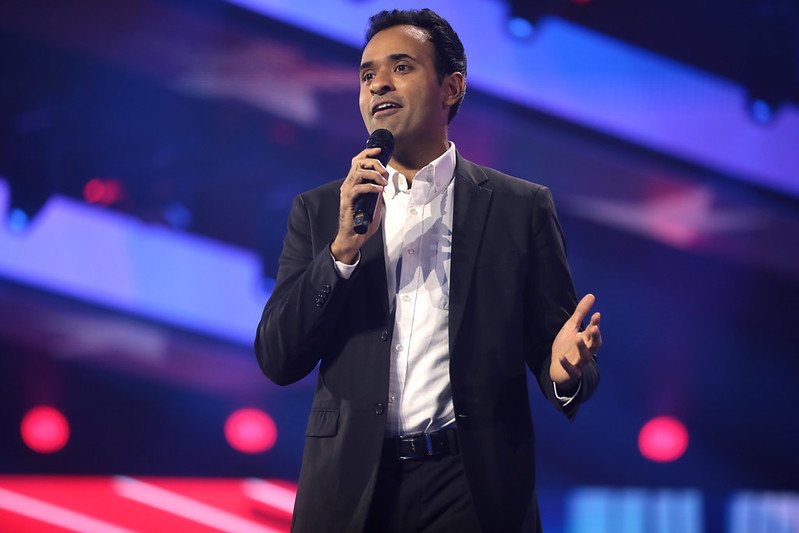
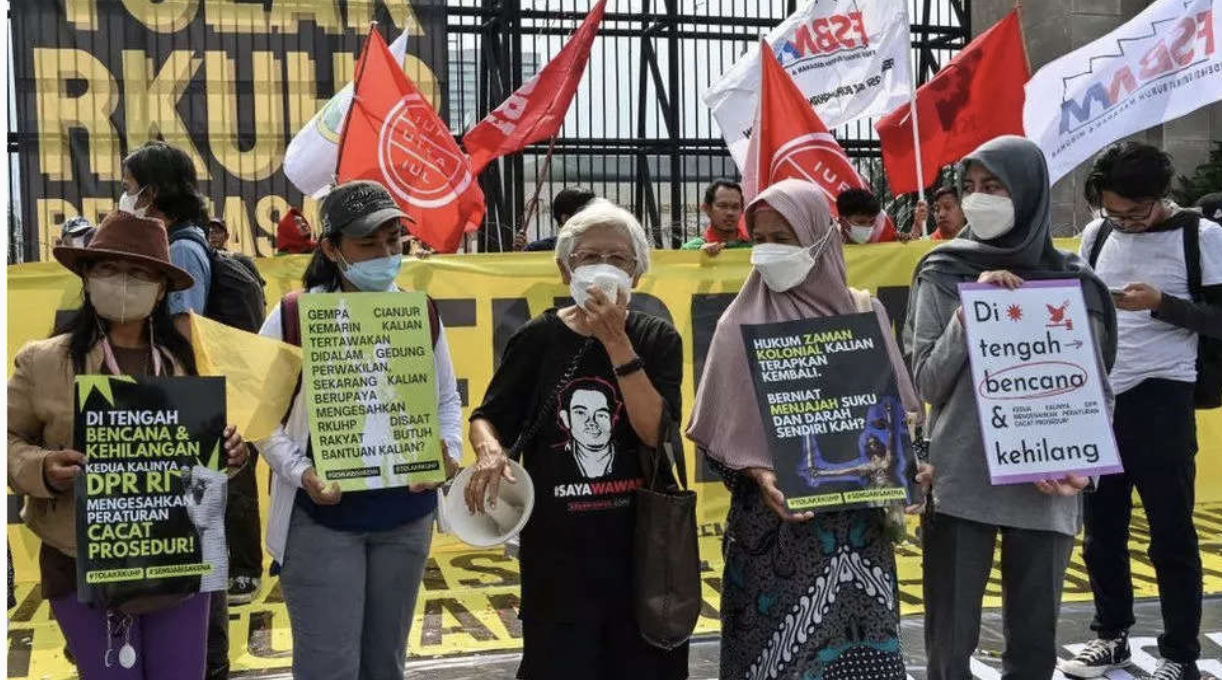
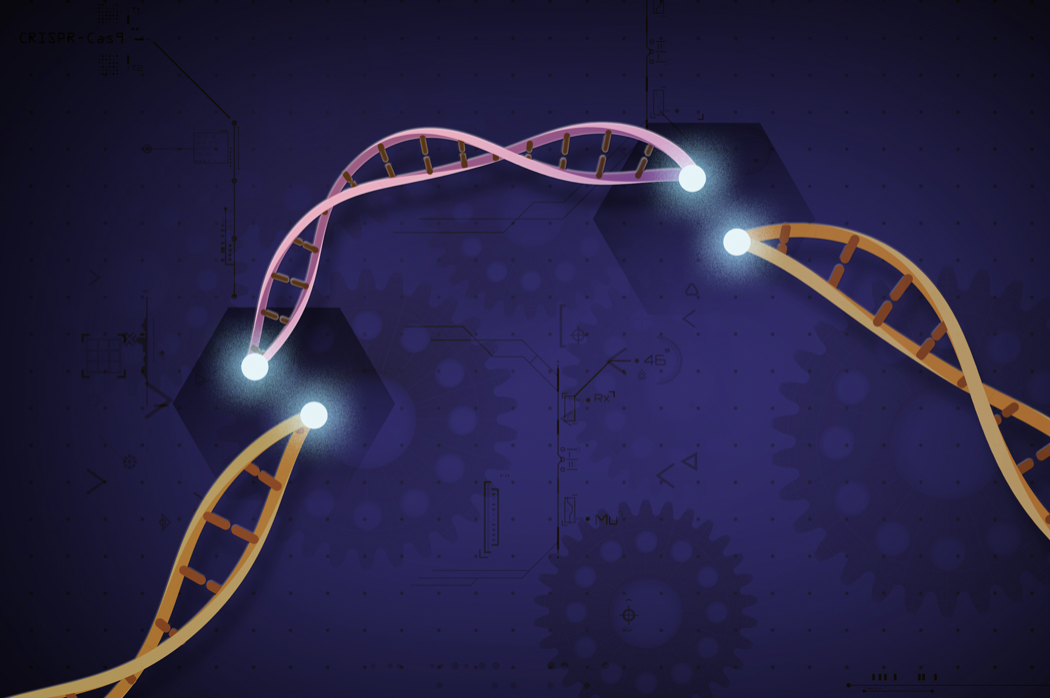
Advancements in genetic engineering have far surpassed our global institutions' ability to regulate them. With the development of genetic engineering tools such as CRISPR and gene drives, paired with the growing popularity of DIY labs, access to bioweapon creation or human enhancement has become open to the public.
Developing countries have been largely omitted from the pandemic’s media narrative. The case of Bolivia demonstrates how a lack of healthcare and economic aid contributes to an even larger disparity between the developing and developed world.
Sex work provides income for over 42 million people worldwide. However, due to the COVID-19 pandemic, this “close-contact” profession is now banned, rendering many distraught, unemployed, and at high risk of contraction of the virus.
Rodrigo Duterte’s zero tolerance policy for illegal substances already has many frightened for their lives. Now, the circumstances of COVID-19 are giving Duterte room to broaden his regime of cruelty.
The post-COVID world may be a very different place to live. Due to rapid changes in geopolitics and social lives, we may find ourselves standing in unchartered territory.

As we greet the new decade with the greatest international health crisis in modern history, society is braced with the shift into an era of social isolation and greater need for psychiatric treatments. Meanwhile, vanguard movements towards alternative medicines and psychedelic therapy have already started gaining momentum in the healthcare industry and scientific community.
The globalized, industrialized, and incessantly-driven economic world that we live in is similar to an amateur riding a bicycle. The moment he bears a shock, there is a genuine fear of halting down and falling off the ridge. The COVID-19 Pandemic is fast-emerging as the greatest shock of our times to the world economy.
Staff writer and Managing Editor Rebeca Camacho covers UCSD event on the rise of right-wing populism in Latin America and the future implications for government spending on poverty alleviation programs.
One of climate change’s notorious effects is the rising scarcity of clean water, leaving millions around the world without access to safe drinking water. In the midst of this growing global crisis, could artificial intelligence be the innovate solution we urgently need?
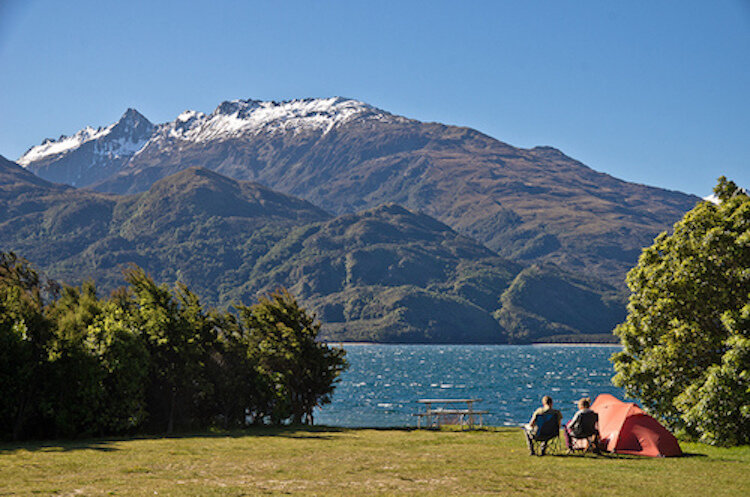
Staff Writer Pankhuri Prasad discusses New Zealand's new Well-Being Budget and growing efforts to improve citizens' quality of life.
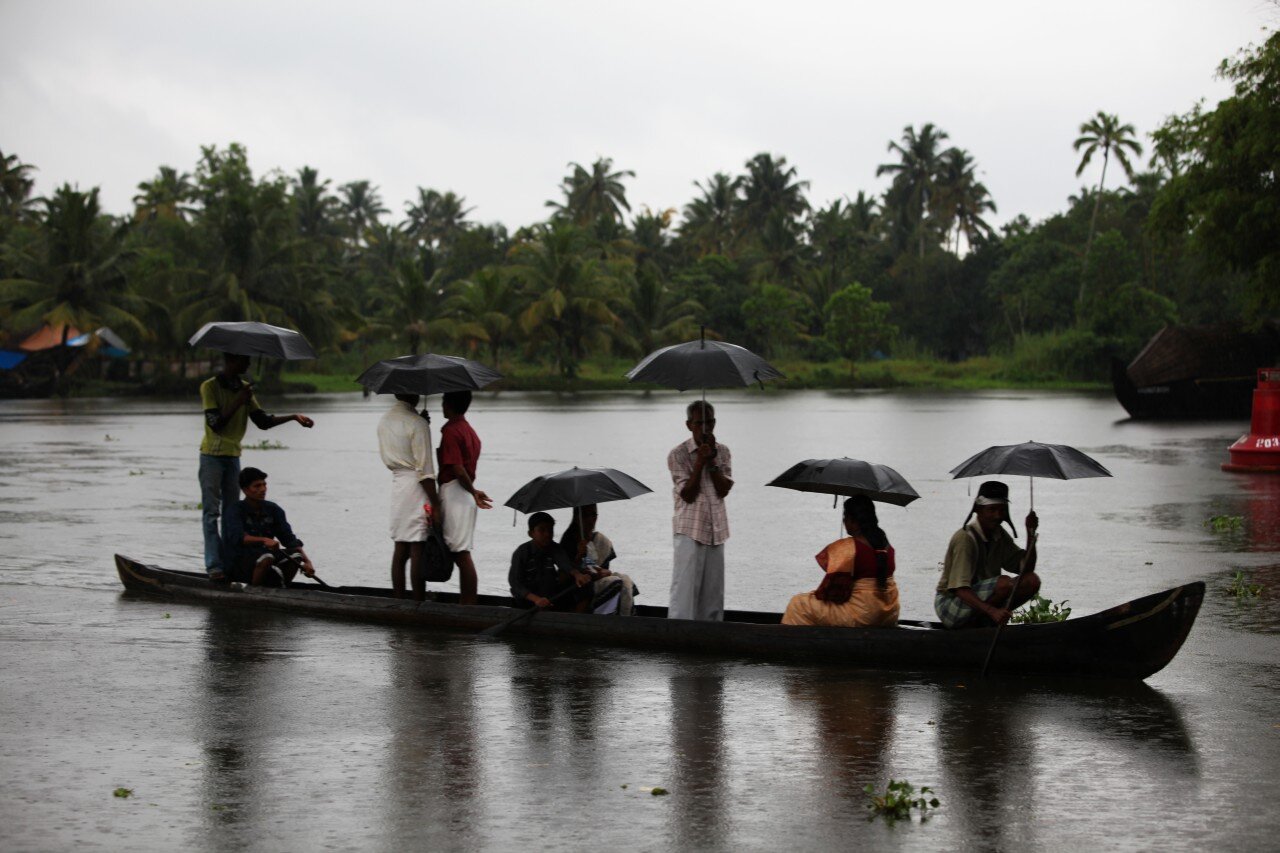
Head of Marketing Tenzin Chomphel discusses the delays in India's acceptance of foreign aid to support victims of Kerala floods.
Editor in Chief Mekalyn Rose discusses the racial and political origins of U.S. drug policies and their consequential role in shaping the growing opioid crisis.
Contributing Writer Ami Bhakta proposes educational initiatives to end female genital cutting in Sierra Leone.
Staff Writer Mekalyn Rose discusses the effectiveness of illicit drug decriminalization and treatment plans implemented in Portugal.

Staff Writer Eden Allegretti interviews Marjorie Saylor, a survivor of human trafficking, at I-House Global Forum.

Staff Writer Cailen Rodriguez provides an informative and in depth review of HIV/AIDS history and the necessity of World AIDS Day

Staff Writer Madisen Ro discusses a non-profit dentistry organization that is working to provide vital care to the people of Rwanda.

While the United States and much of the Western world is confronted with a battle against the epidemic of prescription drug abuse, the issue is absent in much of the rest of the world.

Staff Writer Meredith Anderson recaps the Global Health Winter Quarterly Event.

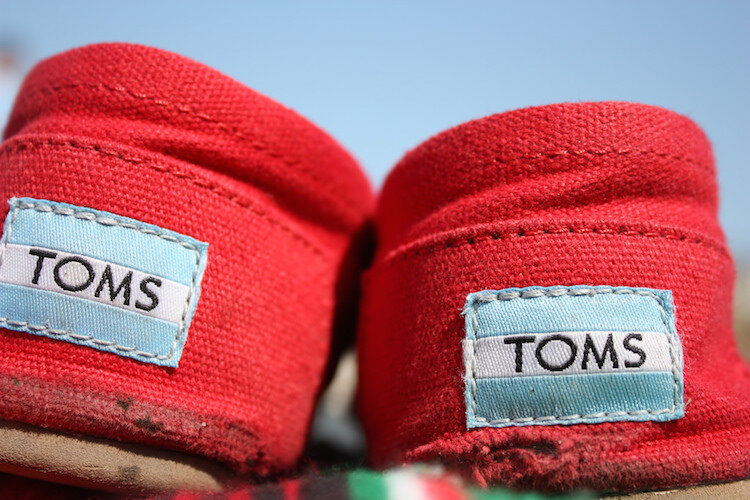
Staff Writer Zaid Mansuri analyzes the effects of the buy-one-give-one business model on target developing regions

Staff Writer Summer Bales discusses new methods of measuring well being and how they can transform policy on economic development.

Daniel Firoozi discusses the magnitude of the problems from open defecation in India and ways of how sanitation can be improved.

With Zika Virus threatening El Salvador’s unborn population, Salvadorian women are trapped between the government’s anti-natalist advisory and the country’s conservative culture. With the strong influence of the Roman Catholic Church, violent machismo culture, and illegality of abortion in all cases, do these women really have the option of heeding the government’s warning?
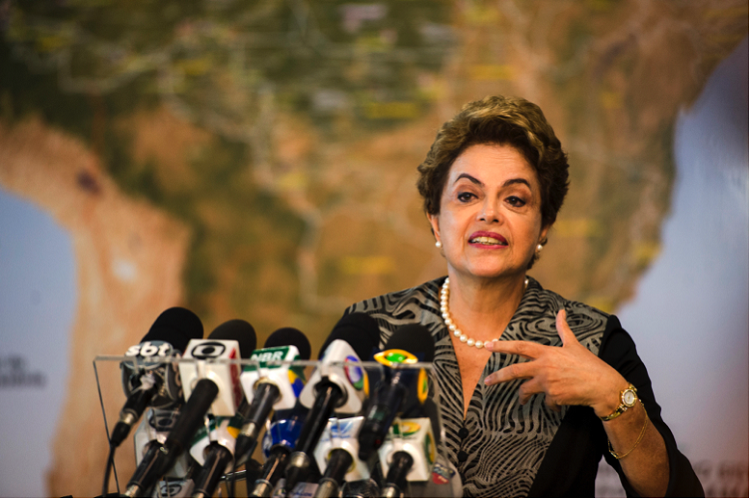
Staff Writer Rebecca Emrick discusses the recent outbreak of the Zika Virus and the consequences it brings.
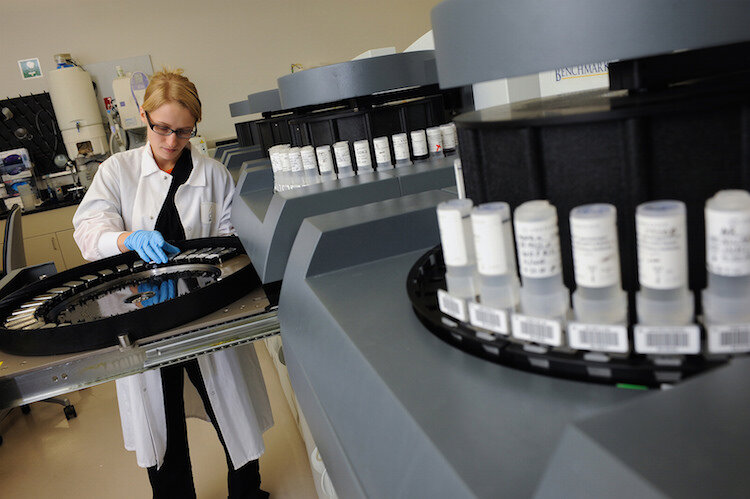
Staff Writer Aarushi Gupta covers the future of genetics in medicine and the promise of finding personally tailored treatments.

Staff Writer Aarushi Gupta takes a critical look at the vitamin and supplement industry in another installment of our Science Matter blog.
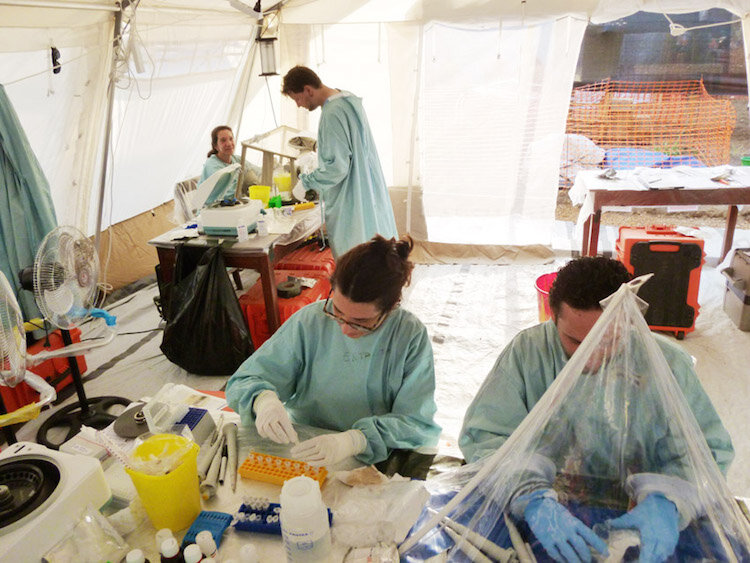
The standard clinical trial process poses some unique ethical dilemmas when time is scarce. Staff Writer Alexandra Reich writes about how these factors are playing out in the 2014 Ebola epidemic.

The development of a viable Ebola vaccine is something many groups want to see happen as quickly as possible. But for some the lingering controversy over stem cell research raises some concerns. By Staff Writer Jubilee Cheung
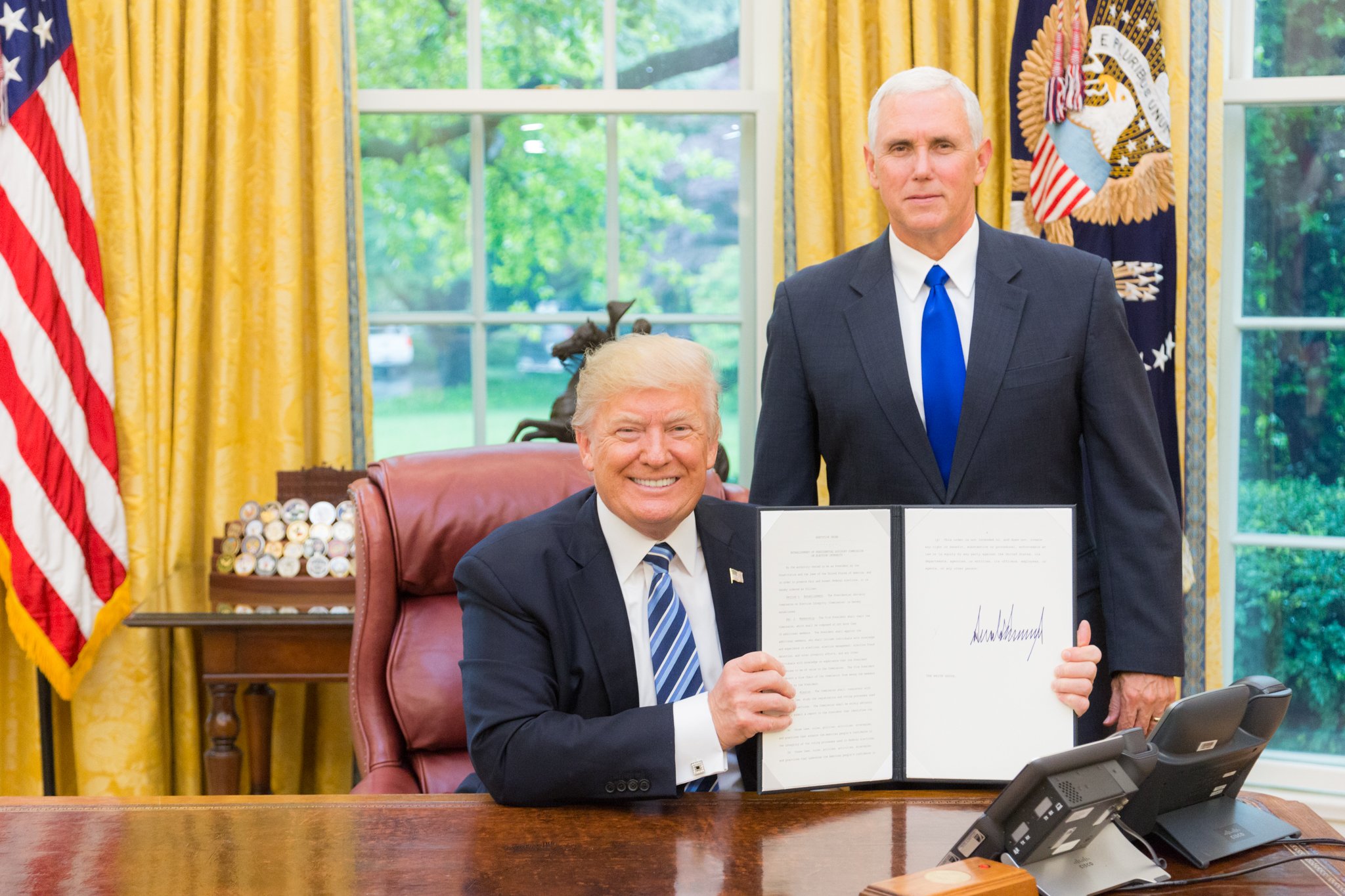
The Paris Climate Agreement, adopted in 2015, marked a historic turning point in global efforts to combat climate change. Adopted by 196 parties, the accord set ambitious goals to limit the global temperature increase to 1.5 degrees Celsius above pre-industrial levels. This commitment aimed to reduce the devastating impacts of climate change, including rising sea levels, extreme weather events, and biodiversity loss. However, these promises are being tested under the second Trump administration, bringing renewed scrutiny and debate over America’s role in global climate action.
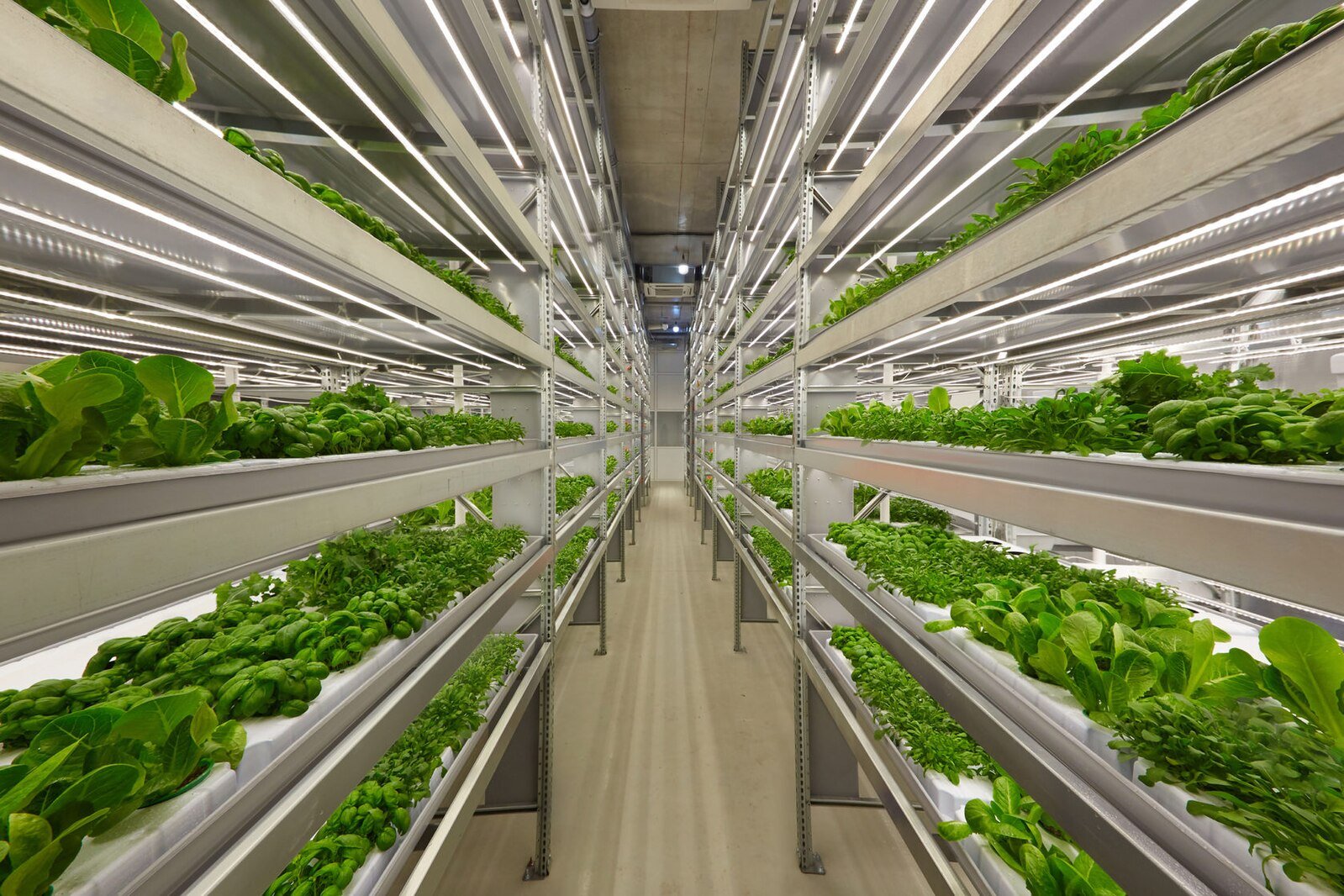
Amidst worsening land degradation and global temperatures, many nations have turned to vertical farming to economize and adapt to a changing world. However, uneven implementation of this practice favoring wealthy countries calls into question this seemingly promising method. Why is it that vertical farming seems to be more of an intermittent luxury than a consistent lifeline?
Advancements in genetic engineering have far surpassed our global institutions' ability to regulate them. With the development of genetic engineering tools such as CRISPR and gene drives, paired with the growing popularity of DIY labs, access to bioweapon creation or human enhancement has become open to the public.
The post-COVID world may be a very different place to live. Due to rapid changes in geopolitics and social lives, we may find ourselves standing in unchartered territory.
Despite global actions to reduce sexism, women are still seen as legally inferior in many countries. Can technology help combat this social injustice?
As we greet the new decade with the greatest international health crisis in modern history, society is braced with the shift into an era of social isolation and greater need for psychiatric treatments. Meanwhile, vanguard movements towards alternative medicines and psychedelic therapy have already started gaining momentum in the healthcare industry and scientific community.
In face of the looming climate crisis, China must decide whether to pursue maintaining its steadfast economic growth or to implement climate-conscious measures.
One of climate change’s notorious effects is the rising scarcity of clean water, leaving millions around the world without access to safe drinking water. In the midst of this growing global crisis, could artificial intelligence be the innovate solution we urgently need?

Staff Writer Cafe Keating-Hudson covers the historical use of marine life for military operations, and its potential resurgence thanks to modern technology.
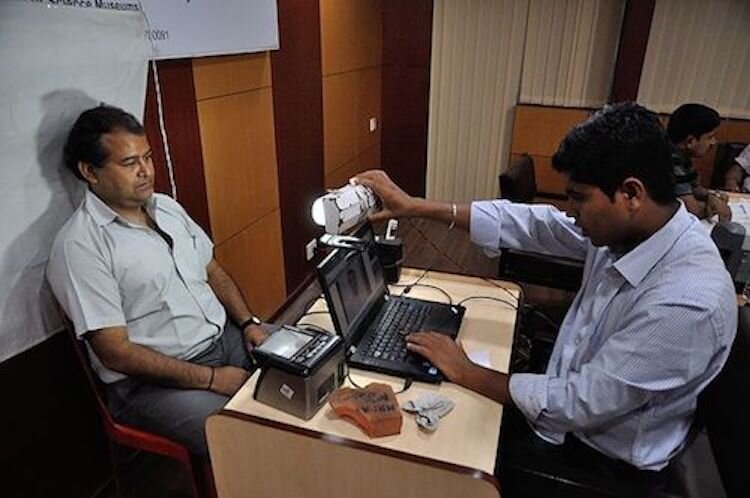
Director of Marketing Tenzin Chomphel covers an event hosted by South Asia Initiative on the potential and pitfalls of India's technological advancement

Senior editor Bailey Marsheck discusses current research into and future prospectives for "super soldier" technology.
Staff Writer Pankhuri Prasad covers a GPS event on India's technological advancement.
Editor in Chief Mekalyn Rose discusses the racial and political origins of U.S. drug policies and their consequential role in shaping the growing opioid crisis.

Staff Writer Bailey Marsheck reviews a GPS 21st Century China Center Event
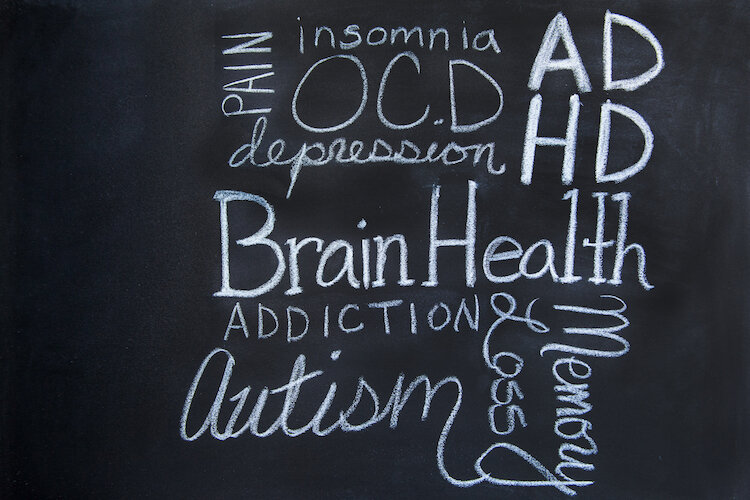

Senior Editor Nick Vacchio, in a piece originally published in The UCSD Guardian, explains why Proposition 64 should pass.

Daniel Firoozi discusses the magnitude of the problems from open defecation in India and ways of how sanitation can be improved.
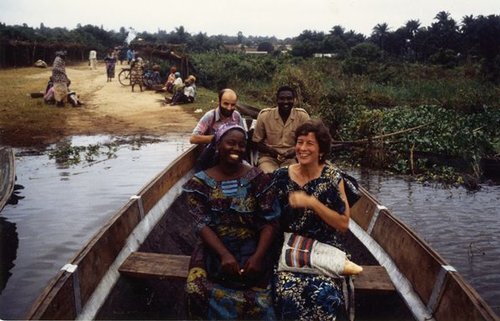
Staff Writer Rebecca Chong looks into the idea behind voluntourism--and many of issues that it brings
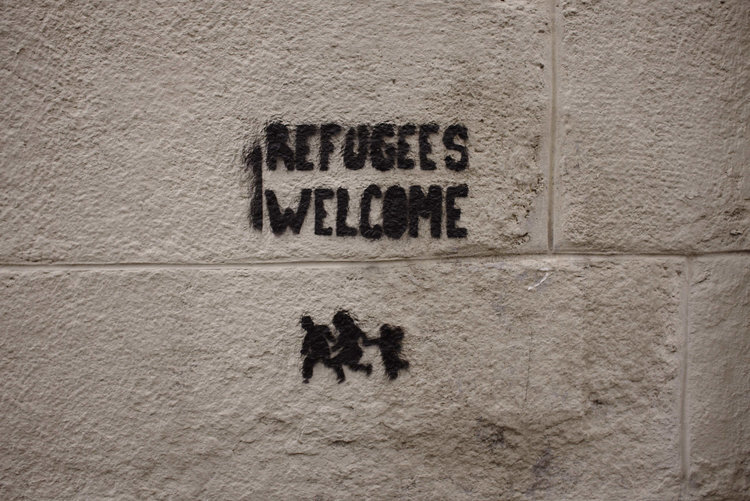
Staff Writer Becca Chong takes a look at how technology and mobile apps are helping the Syrian Refugee Crisis
Staff Writer Rebecca Emrick discusses the recent outbreak of the Zika Virus and the consequences it brings.
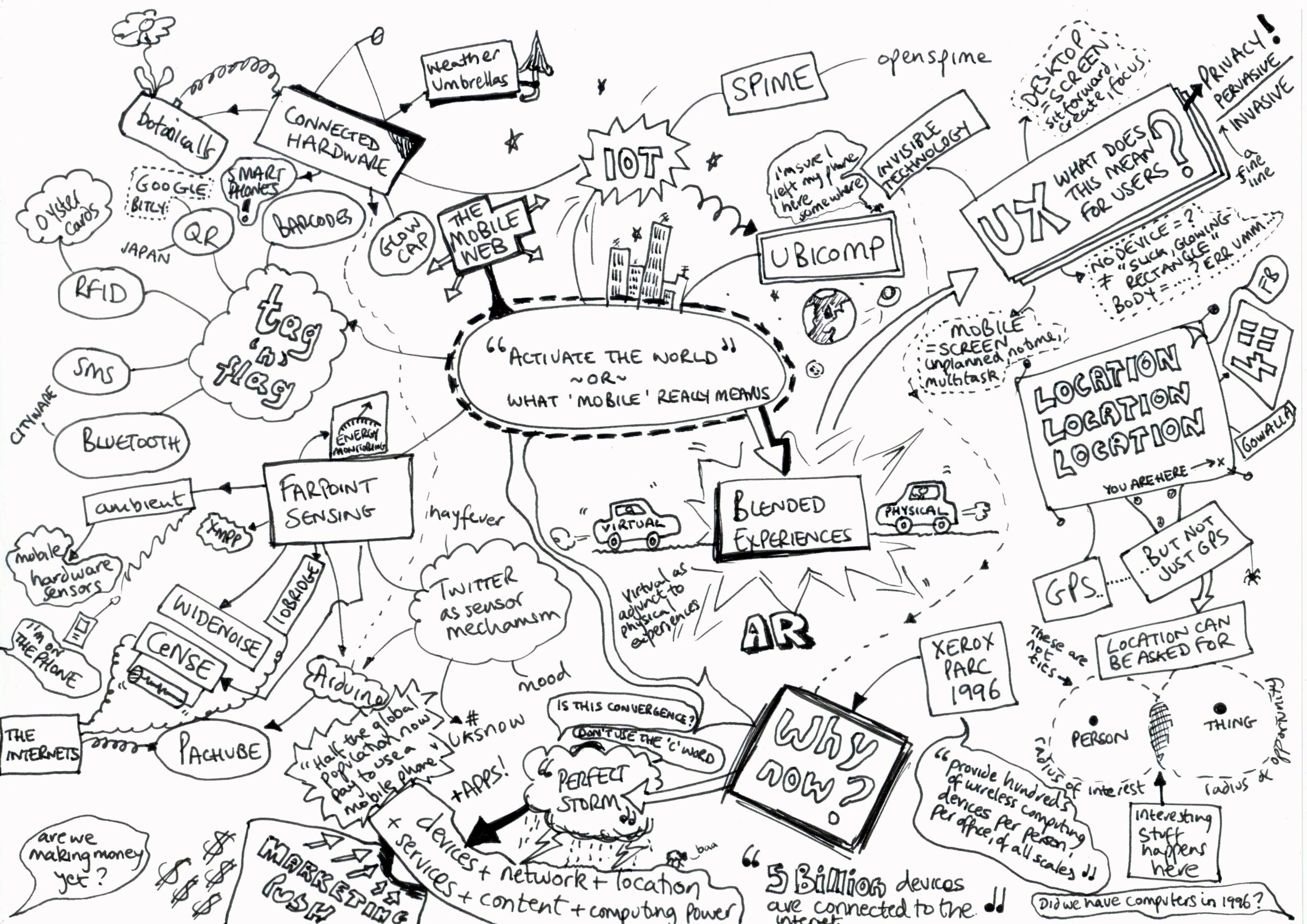
Staff Writer Rebecca Benest weighs the pros and cons of the Internet of Things in a time of convenience and government surveillance.

This week, Staff Writer Siru Rose Zhu discusses electromagnetic hypersensitivity and its implications in a world that is increasingly reliant on technology.
Staff Writer Aarushi Gupta covers the future of genetics in medicine and the promise of finding personally tailored treatments.

This week, Science Matters takes a look at the evolutionary pressures behind the striking eyespots of butterflies and caterpillars. By Senior Editor David Dannecker
Staff Writer Jubilee Cheung discusses GMOs in Europe and the United States.

The flyby of 2004 BL86 on Monday provides the Science Matters blog an excellent chance to delve into the topic of asteroids. By Senior Editor David Dannecker
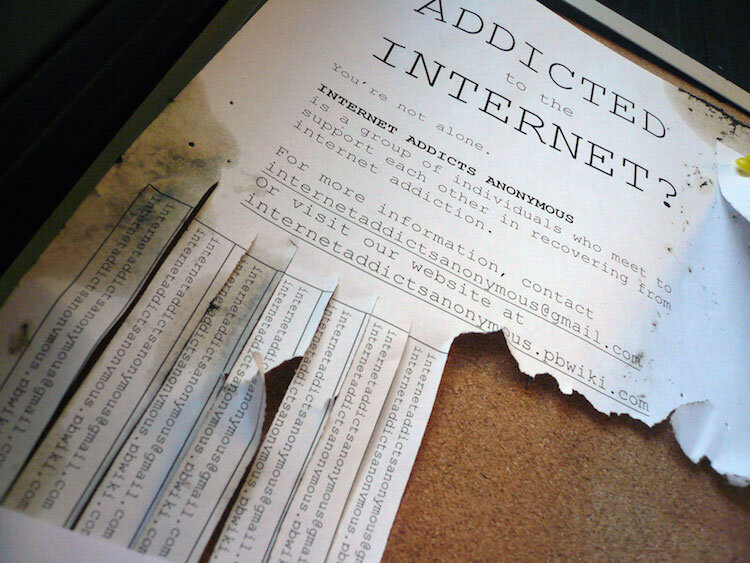
Staff Writer Alexandra Reich investigates how the world of modern digital media plays into the weaknesses of some of humanity's baser evolutionary instincts.
Staff Writer Aarushi Gupta takes a critical look at the vitamin and supplement industry in another installment of our Science Matter blog.